
The Art of Seeing Differently
How architecture, art, design and fashion shape the way we experience the world around us.
Introduction
There is a difference between looking and seeing.
We can walk through the same streets, enter the same buildings and encounter the same familiar objects every day without giving them much thought. Our surroundings become part of the background, absorbed into routines that rarely invite closer attention.
But occasionally, something interrupts that familiarity.
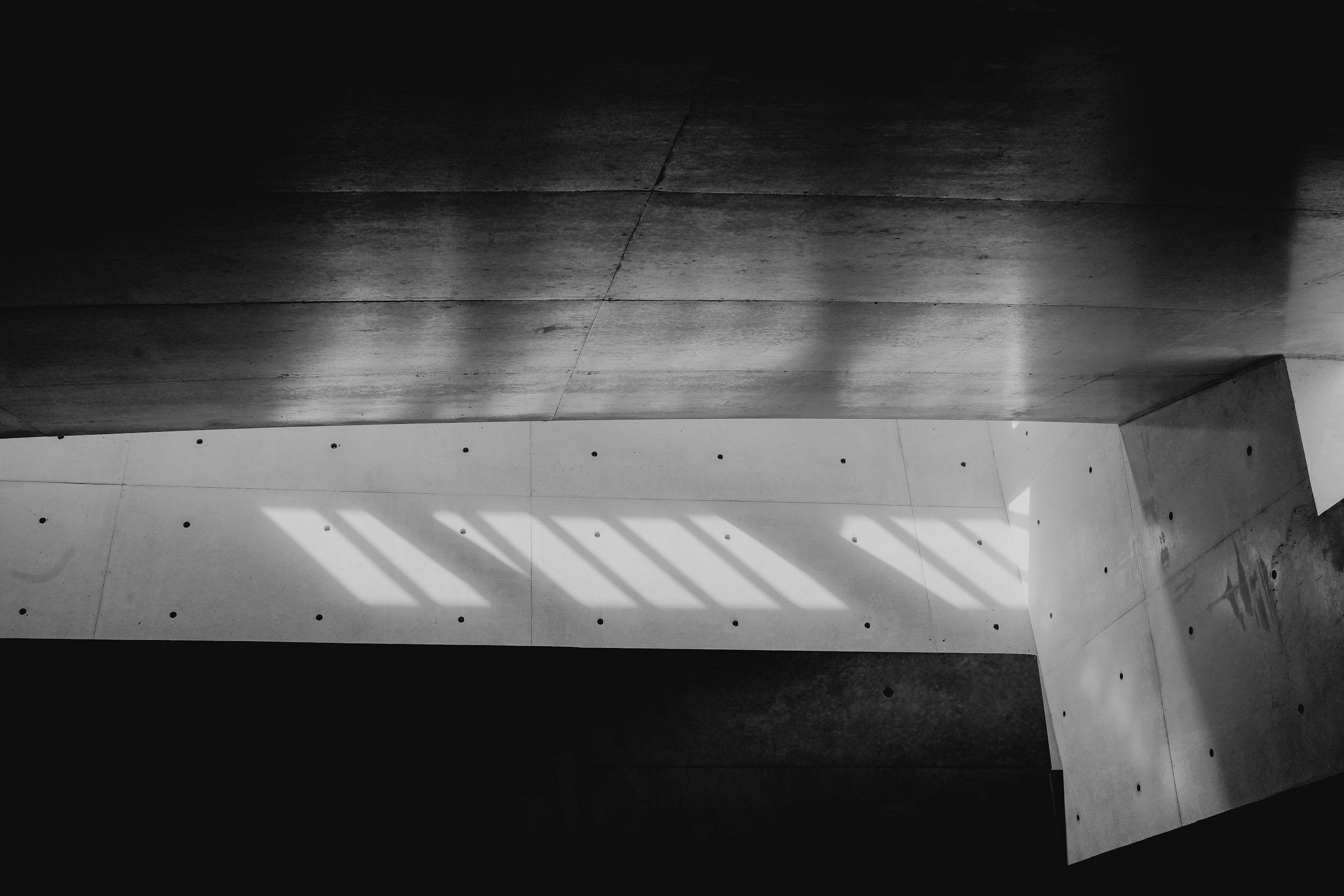
The afternoon light falling across a concrete wall. The unexpected proportions of a chair. A photograph that makes an ordinary moment feel remarkable. A piece of clothing whose construction reveals more than its appearance initially suggests.
These encounters remind us that the world contains far more detail than we typically notice.
Architecture, art, design and fashion offer different ways of examining that world. Each discipline has its own language, but all share an ability to influence perception.
They encourage us to reconsider what is familiar, recognise what is overlooked and discover meaning in places we might otherwise pass without a second glance.
A City Is Never Just a City
Consider the experience of walking through an unfamiliar city.
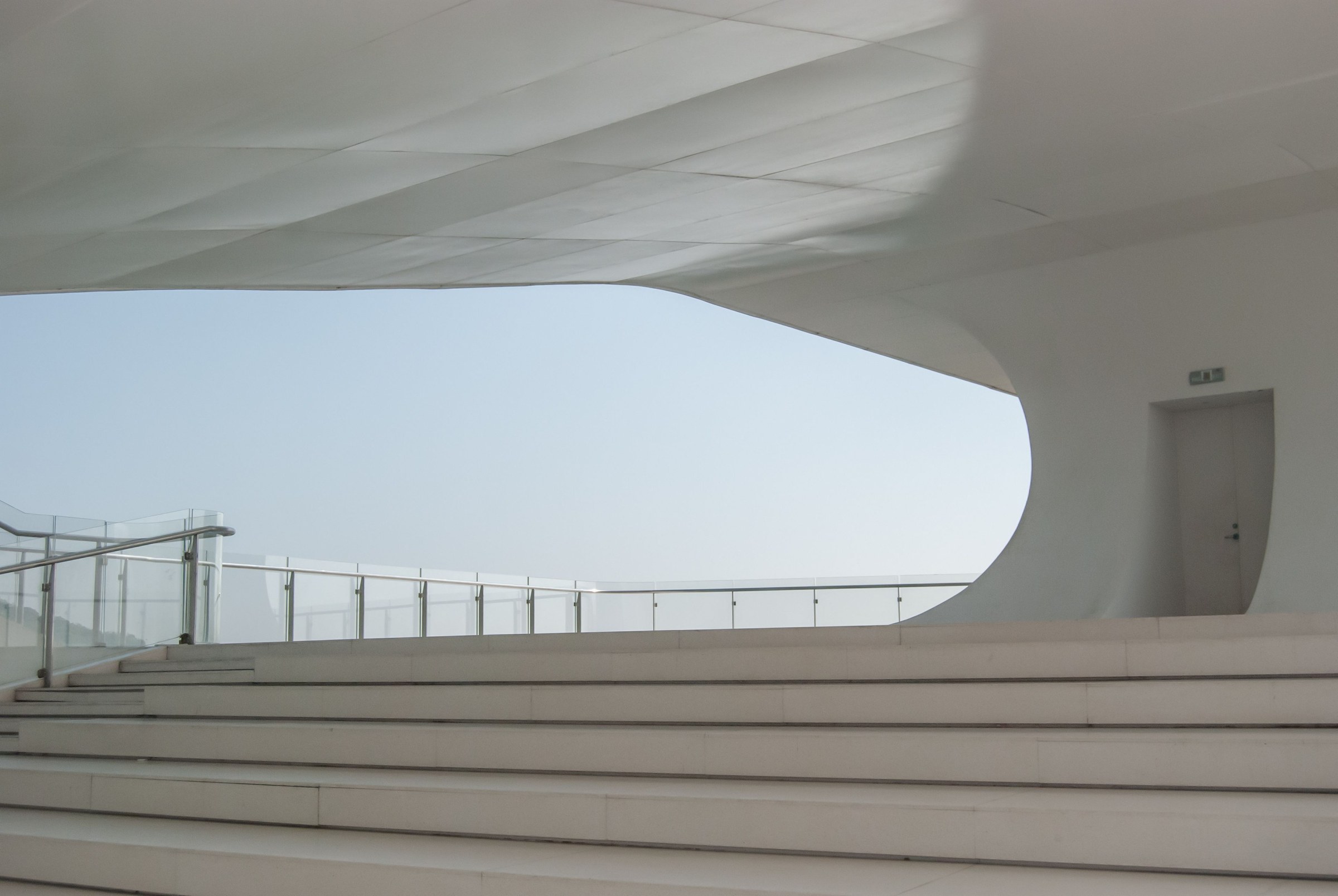
At first, we notice the obvious: buildings, roads, movement and the broad character of the place. We recognise differences in scale, density and architectural style.
But stay a little longer, and another city begins to emerge.
There are rhythms in the arrangement of windows, subtle transitions between public and private space, and small architectural decisions that influence how people gather, move and interact.
A narrow street can create a sense of intimacy. A large public square can encourage collective activity. A carefully positioned window can transform a modest interior through natural light.
Architecture is not simply the construction of buildings. It is also the organisation of human experience.
The spaces we inhabit influence our behaviour, often without our conscious awareness. They can encourage conversation or contemplation, movement or stillness.
Learning to recognise these relationships changes how we understand our surroundings.
A building becomes more than a physical structure. It becomes evidence of choices, priorities, technologies and cultural values.
And an ordinary walk through a city becomes an opportunity to read its history and character.
Art Changes the Question
Art offers a different kind of encounter.
Unlike the practical objects that surround us, a work of art does not always need to provide an immediate explanation or perform an obvious function.
It can invite uncertainty.
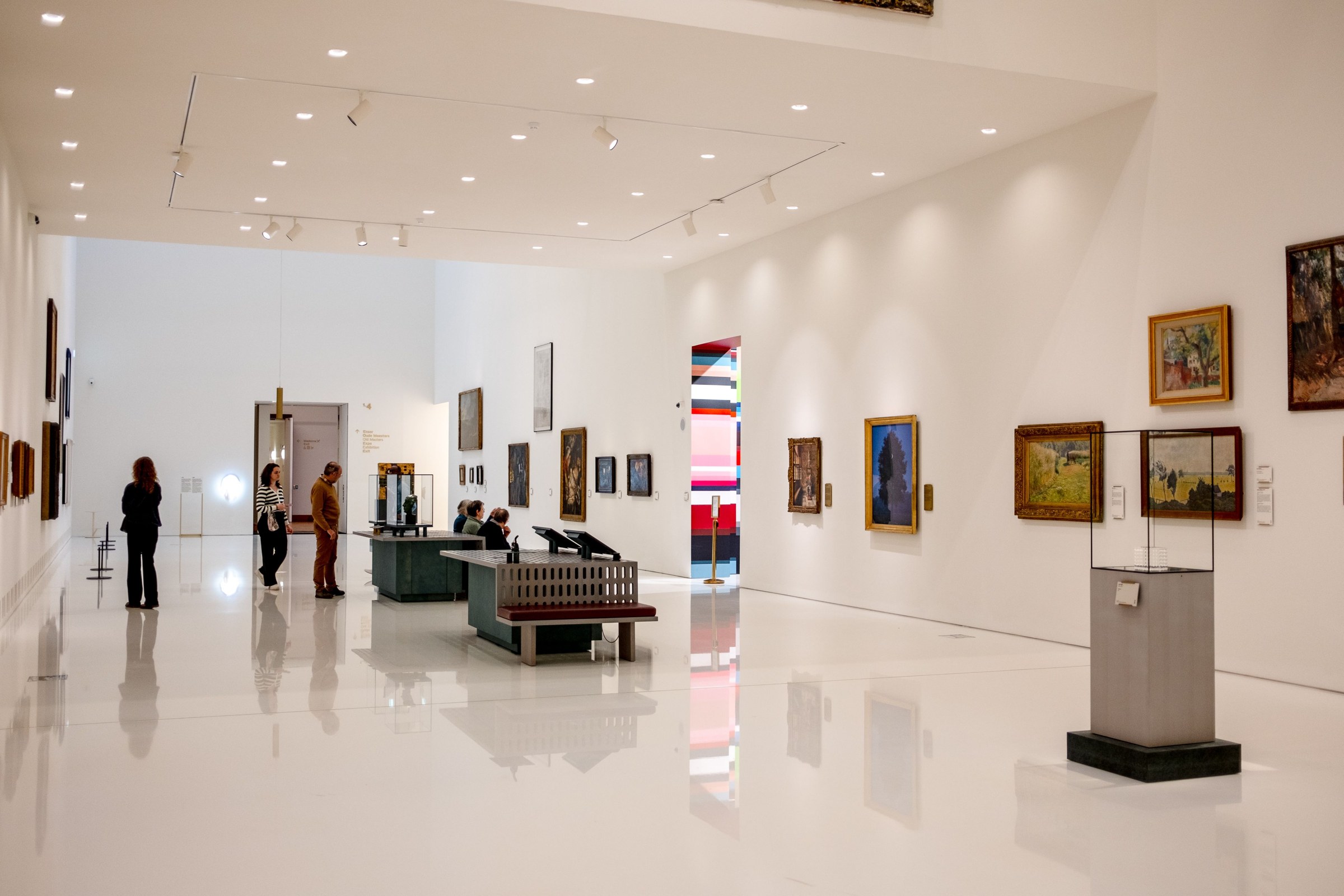
A painting might challenge our understanding of colour or perspective. A photograph might reveal an overlooked aspect of everyday life. A sculpture might transform our relationship with the space around it.
Often, the most memorable works are not those that provide clear answers, but those that encourage us to ask different questions.
Why does this image feel familiar? What makes this arrangement compelling? Why does something so simple hold our attention?
Art allows us to explore these questions without requiring a single conclusion.
It also reminds us that perspective is never entirely neutral.
Two people can stand before the same artwork and discover different meanings, influenced by their experiences, memories and expectations.
That openness is part of art's enduring significance.
It expands the possibilities of interpretation and encourages us to look beyond our first impressions.
The Intelligence of Everyday Objects
Design is perhaps most influential when we barely notice it.
The handle of a door, the balance of a chair, the shape of a lamp or the arrangement of a page: each represents a series of decisions about how something should look, feel and function.
Successful design often appears effortless precisely because so much consideration has gone into it.
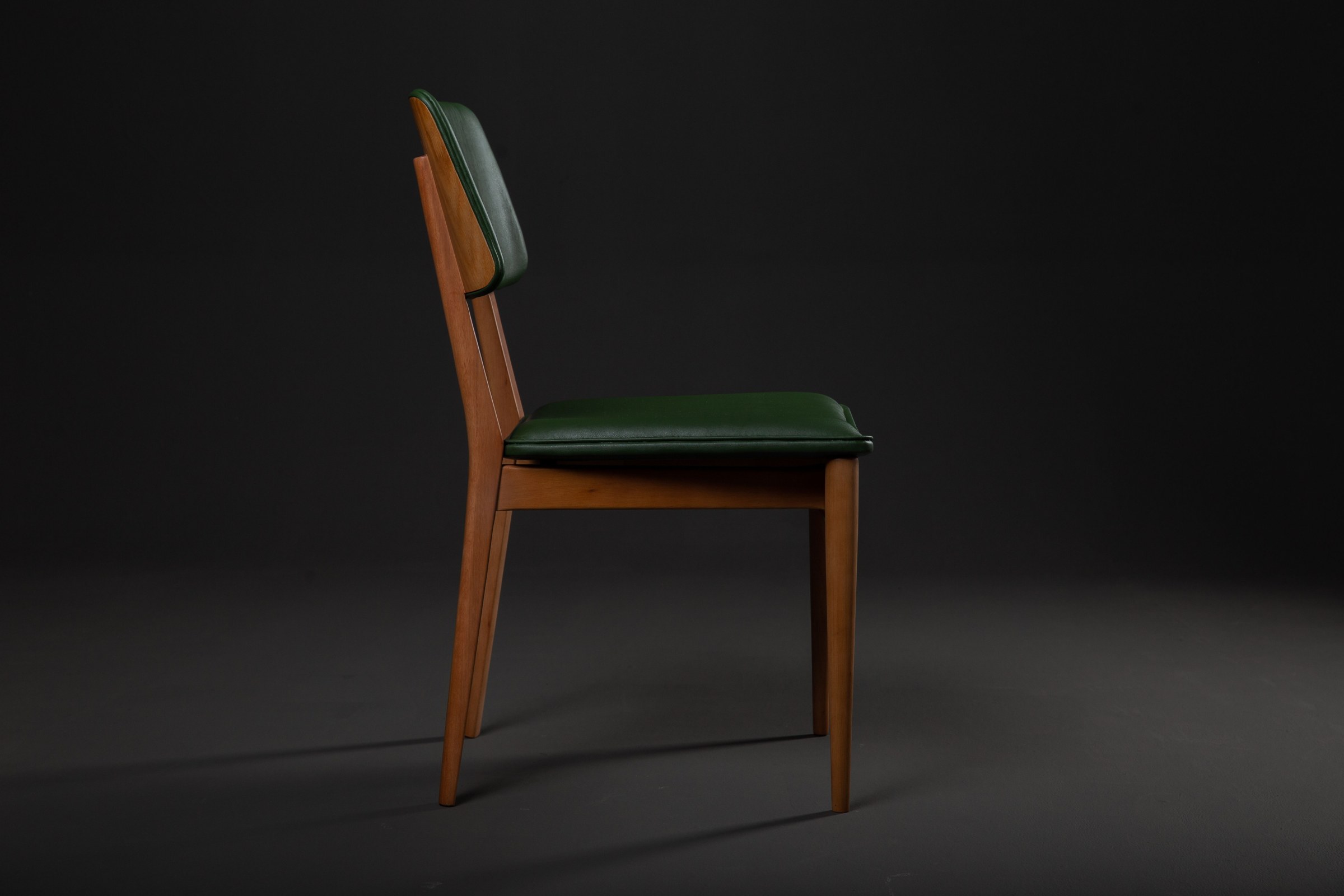
A well-made chair, for example, communicates through proportion, material, weight and construction. Its appearance may be simple, but that simplicity can conceal an extraordinary amount of thought.
Every curve, joint and surface contributes to the experience of using it.
Materials introduce another dimension.
Wood carries grain, texture and variation. Stone reveals geological character. Metal can communicate precision, strength or delicacy, depending on how it is worked.
These qualities influence our emotional responses as much as our practical experiences.
Understanding design means learning to appreciate the decisions behind an object rather than judging only its surface appearance.
It encourages us to ask not merely whether something looks attractive, but why it has been made in a particular way.
The more closely we look, the more visible those decisions become.
Fashion as a Visual Language
Clothing is among the most immediate forms of creative expression.
Before a person speaks, their clothing can already communicate something about identity, intention, environment or cultural belonging.
Fashion operates through shape, colour, proportion, texture and movement.
A sharply structured jacket creates a different impression from a softly draped garment. A restrained palette can emphasise silhouette and material. A particular fabric can suggest tradition, innovation or practicality.
These choices rarely exist in isolation.
Fashion continually absorbs influences from architecture, visual art, music, social change and the broader cultural environment.
Ideas move between disciplines, sometimes directly and sometimes so gradually that their origins become difficult to identify.
Yet fashion is also deeply personal.
The same garment can take on different meanings depending on who wears it, how it is styled and the circumstances in which it appears.
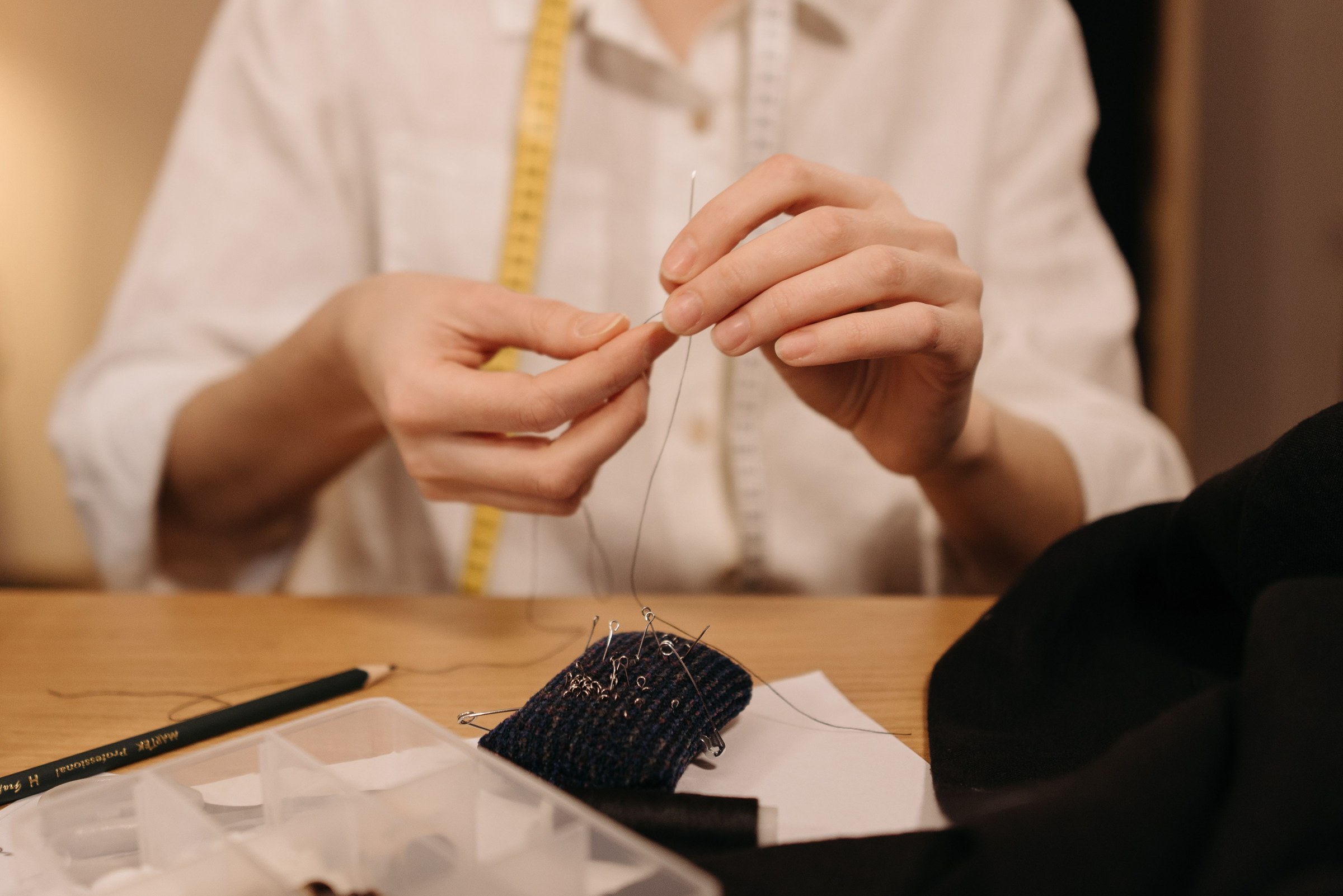
Looking more closely at clothing reveals an intersection of individual expression, craftsmanship and collective culture.
It reminds us that fashion is not simply about what is new.
It is also about how people interpret and reinterpret the visual language available to them.
Learning to Notice
The common thread connecting these disciplines is attention.
Architects consider how space is experienced. Artists challenge perception. Designers reconsider ordinary objects. Fashion creates new relationships between the body, material and identity.
Each discipline asks us to engage more thoughtfully with our surroundings.
And that engagement does not require specialist knowledge.
It can begin with something as simple as observing how sunlight changes a room throughout the day, noticing the proportions of a building or examining the texture of an everyday object.
These small acts of observation can gradually alter our relationship with the world.
Familiar places reveal previously unnoticed details. Ordinary objects become more interesting. Creative work that once seemed inaccessible begins to feel more understandable.
There is also value in allowing ourselves not to understand everything immediately.
Some ideas become meaningful only through repeated encounters. Others require us to question assumptions we have carried for years.
The willingness to remain curious is often more important than possessing an immediate explanation.
In a world filled with images, information and constant visual stimulation, genuine attention can become surprisingly difficult.
We see more than ever, yet we do not necessarily observe more carefully.
Choosing to look with greater curiosity offers a way to change that relationship.
A Different Perspective
The world does not need to change for our experience of it to become different.
Sometimes, the change occurs in the way we look.
A familiar street reveals an architectural detail we had never noticed. An everyday object becomes an example of considered design. A photograph introduces a perspective we had never encountered.
These moments may appear small, but they expand our understanding of the environments, objects and ideas surrounding us.
Creativity does not exist only in galleries, studios or celebrated buildings.
It is embedded throughout everyday life, often in places we least expect.
And perhaps the most valuable thing architecture, art, design and fashion can offer is not simply a collection of beautiful things.
It is a reason to keep looking.