
When Art Leaves the Gallery
How public art transforms ordinary spaces, challenges perspectives and becomes part of everyday life.
Art is often associated with particular places. Museums, galleries and exhibition spaces provide carefully controlled environments in which works can be displayed, studied and appreciated.
But some of the world's most memorable artistic encounters happen far beyond those walls.
A sculpture interrupts the familiar outline of a city square. A mural transforms an otherwise unremarkable street. An unexpected installation gives an ordinary public park an entirely different atmosphere.
These works become part of the environments we move through every day.
They are encountered not only by people who deliberately seek out art, but also by commuters, residents, visitors and people simply passing through.
This accessibility changes the relationship between artwork and audience.
When art enters public space, it becomes something we can encounter without planning to.
And occasionally, those encounters change how we remember a place.
A Different Kind of Gallery
A traditional gallery offers a degree of separation from the outside world.
Visitors enter with the intention of experiencing art. The lighting, arrangement and surrounding space are carefully considered to encourage observation.
Public art operates under very different conditions.
It must coexist with traffic, weather, architecture, human activity and the unpredictable rhythms of daily life.
A sculpture may be experienced differently in morning sunlight than beneath an overcast winter sky. A mural may appear quiet early in the day and become part of a lively street scene by evening.
The surrounding environment becomes part of the work.
So does the audience.
People may stop to examine an installation, take photographs, discuss its meaning or simply pass without acknowledging it.
There is no requirement to engage, and no expectation that everybody will respond in the same way.
That freedom is one of public art's most distinctive qualities.
Rather than asking people to enter a dedicated artistic environment, it brings creative expression into spaces they already inhabit.
Chicago's Reflective Landmark
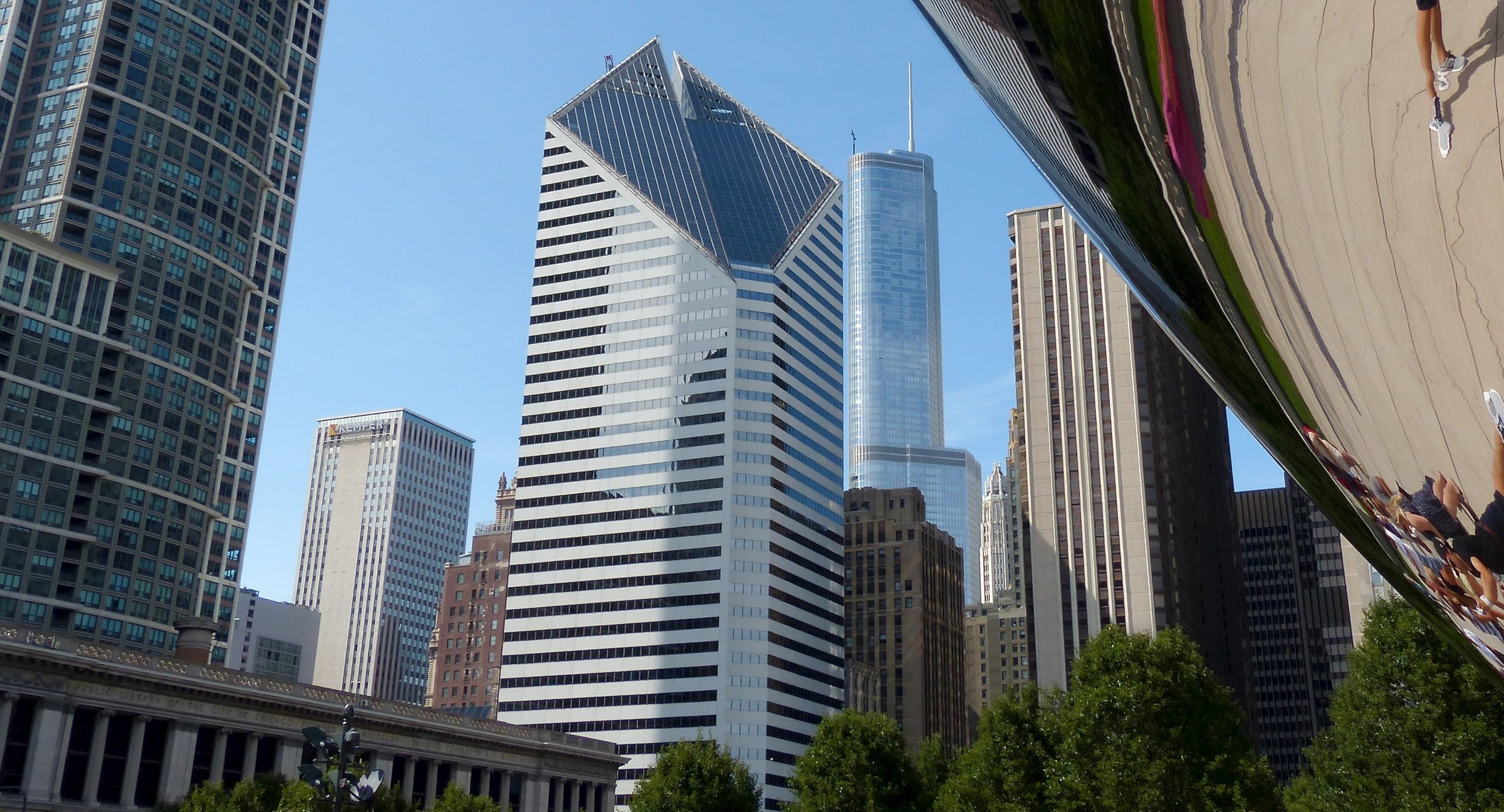
In Chicago's Millennium Park, Anish Kapoor's Cloud Gate has become one of the city's most recognisable landmarks.
The enormous polished stainless-steel sculpture, affectionately nicknamed "The Bean", reflects the surrounding skyline, the sky and the people gathering around it.
Its curved surface distorts these reflections, transforming familiar buildings and human figures into constantly changing compositions.
From a distance, the sculpture appears almost impossibly smooth.
Up close, visitors discover that its appearance changes with every movement.
Walk around it, and the city shifts. Stand beneath its arch, and reflections multiply into unexpected perspectives.
What makes Cloud Gate particularly interesting is the relationship it creates between artwork, environment and audience.
The sculpture does not simply occupy a public space.
It incorporates that space into the experience of the artwork itself.
The buildings, clouds and people reflected on its surface become temporary participants in a constantly changing image.
No two visits are exactly alike.
Through a relatively simple idea — a reflective form placed within a busy urban environment — the sculpture encourages people to reconsider a city they may already know well.
Art That Exists Only for a Moment
Not all public art is intended to remain permanently.
Some installations are designed to exist for a limited period, making their temporary nature an essential part of their meaning.
In February 2005, artists Christo and Jeanne-Claude transformed New York's Central Park with The Gates.
The project consisted of 7,503 structures positioned along approximately 23 miles of park pathways, each carrying a panel of saffron-coloured fabric.
For sixteen days, the familiar landscape of Central Park became something altogether different.
The bright fabric introduced flowing lines of colour through the winter scenery.
Paths that visitors had walked countless times acquired a new visual rhythm. The installation changed according to the weather, the movement of the fabric and the perspective of those walking beneath it.
Then it disappeared.
The temporary nature of The Gates was not an unfortunate limitation. It was central to the work.
Its existence was defined by a particular place and a particular moment.
Once removed, the physical installation survived through photographs, drawings and the memories of those who experienced it.
There is something compelling about artwork that does not attempt to become permanent.
Its value can lie in the experience it creates rather than the object it leaves behind.
Walls That Tell Stories
Public art can also transform places associated with difficult or painful histories.
Berlin's East Side Gallery offers a particularly powerful example.
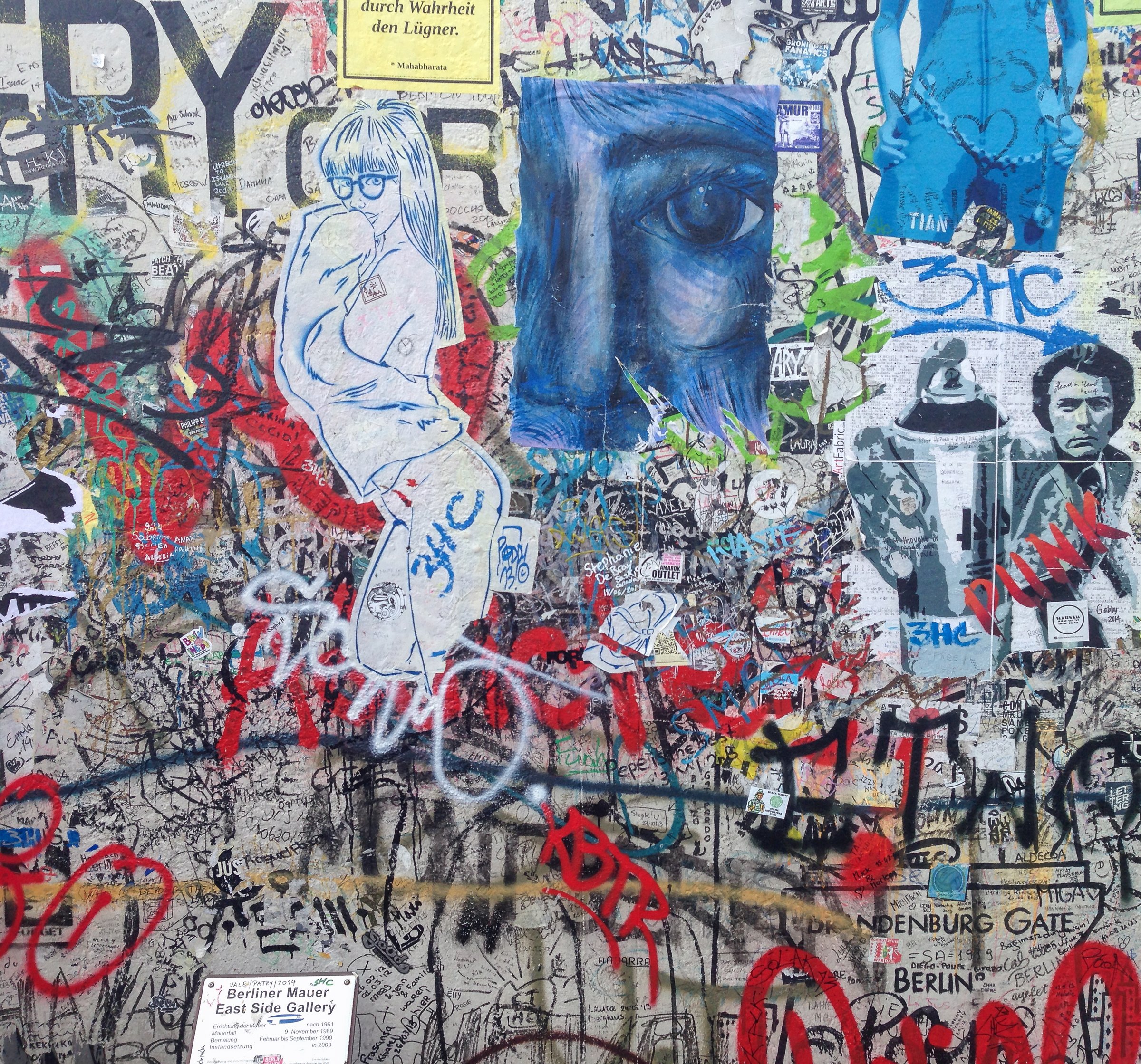
Following the fall of the Berlin Wall in 1989, artists from around the world began painting a surviving section of the barrier.
The open-air gallery opened in September 1990, with work by more than 100 artists expressing ideas about freedom, political change, memory and the future.
What had once been an instrument of division became a surface for artistic expression.
The significance of the East Side Gallery extends beyond the individual images painted upon it.
Its physical location and historical meaning are inseparable from the artwork.
A mural viewed in a conventional gallery might communicate a particular political or emotional message. Painted directly onto the Berlin Wall, that message gains another dimension.
The surface itself carries history.
Visitors encounter not only a series of artworks, but also a reminder of the circumstances that made them possible.
Over time, the gallery has faced the challenges associated with preservation, weather damage, restoration and urban development.
These questions reveal another important aspect of public art.
Once a work becomes part of a city, its future can become a matter of collective concern.
Who Owns Public Art?
The accessibility of public art does not necessarily make it free from controversy.
A sculpture installed in a public square may be celebrated by some residents and disliked by others.
A large installation might attract visitors while raising questions about cost, maintenance or the use of public space.
Street art introduces further complications.
Some murals are formally commissioned, while others emerge without permission. The boundary between creative expression, political protest and damage to property can be contentious.
There is also the question of whose voices are represented.
When cities commission major public artworks, who gets to decide what is displayed? Are local communities involved? Do the selected artists reflect the identities and experiences of the people who live nearby?
These questions matter because public space belongs to more than one audience.
Unlike a gallery exhibition, which visitors can choose whether to enter, a permanent public installation becomes part of a shared environment.
Its presence can influence how a place is perceived for years or even generations.
That responsibility makes the relationship between artistic freedom and public participation particularly important.
Good public art does not need universal approval.
But it should invite consideration of the people and places it becomes part of.
The Unexpected Encounter
Perhaps public art's greatest strength lies in its ability to interrupt routine.
Much of everyday life is organised around familiar journeys.
We travel along the same roads, pass the same buildings and move through environments that gradually become almost invisible through repetition.
Then something changes.
A new installation appears in a square. A previously empty wall becomes a mural. A familiar park is transformed by an unexpected arrangement of colour and form.
For a moment, the ordinary becomes unfamiliar.
We notice the surrounding environment differently, perhaps seeing qualities that had always been present but rarely attracted our attention.
Public art can create those moments without requiring specialist knowledge or an understanding of artistic movements.
A person does not need to know the history of sculpture to enjoy the changing reflections of Cloud Gate.
Nor must somebody understand installation art to appreciate the extraordinary visual experience of The Gates.
The experience comes first.
Interpretation can follow, if the viewer chooses.
A Place for Art in Everyday Life
Cities are often defined by their practical purposes.
Their streets allow movement, their buildings provide shelter and their public spaces accommodate the activities of daily life.
Art introduces another possibility.
It allows these places to become sites of curiosity, reflection, conversation and imagination.
Sometimes that contribution is monumental, producing landmarks recognised around the world.
Elsewhere, it is modest: a small sculpture, a neighbourhood mural or a temporary installation that disappears after a few days.
Both can be meaningful.
What matters is not necessarily the scale of the artwork, but the relationship it creates with its surroundings and the people who encounter it.
A successful public artwork can become part of a city's identity. It can preserve memories, challenge assumptions or simply bring something unexpected into an otherwise ordinary day.
And in doing so, it reminds us that art does not always need to be sought out.
Sometimes it is waiting on the next street corner.
Further Reading
The Art of Seeing Differently
A closer look at how creativity changes our understanding of familiar places, everyday objects and the world we inhabit.
By Culturefold Editors