
The Beauty of the Unfinished
From Leonardo da Vinci to Michelangelo, exploring why an incomplete work of art can sometimes reveal more than a finished masterpiece.
We tend to think of great art as something complete.
A painting carefully composed, its final details resolved. A marble sculpture polished into a recognisable form. A work presented to the world only when its creator has decided that nothing more needs to be added.
Yet throughout art history, some of the most compelling works have remained unfinished.
Figures emerge from rough blocks of marble. Paintings reveal exposed drawings beneath their surfaces. Areas of extraordinary detail sit beside sections that appear barely developed.
Sometimes these works were abandoned because of changing circumstances, financial difficulties or the artist's death.
Elsewhere, artists deliberately embraced an unfinished appearance as a means of expression.
Whatever the reason, incomplete artworks offer something unusual.
They allow us to encounter creativity before every trace of the process has disappeared.
And in doing so, they raise a deceptively simple question.
What makes a work of art finished?
Leonardo's Unresolved Masterpiece
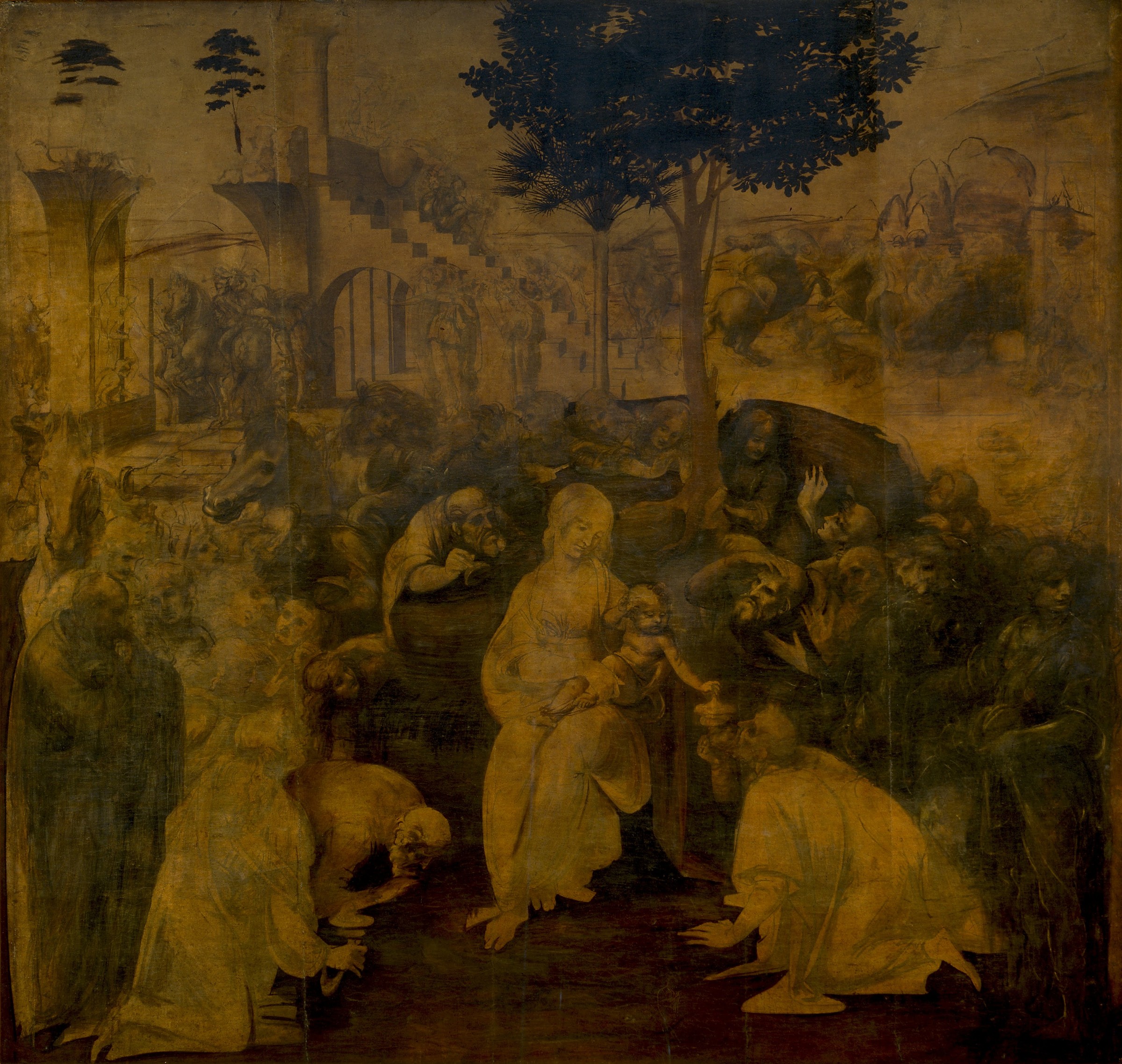
In 1481, Leonardo da Vinci received a commission to create an altarpiece depicting the Adoration of the Magi for the church of San Donato a Scopeto, near Florence.
The composition was ambitious.
Centred on the Virgin Mary and the infant Christ, it incorporated a large gathering of figures, horses, architectural ruins and intricate arrangements of movement.
Leonardo developed an unusually complex scene, exploring relationships between human expressions, gestures and the surrounding environment.
But he never completed the painting.
When he departed Florence for Milan in 1482, the commission remained unfinished.
The religious community eventually commissioned another artist, Filippino Lippi, to produce a replacement altarpiece.
Leonardo's original work survived in its incomplete state and is now preserved in the Uffizi Galleries in Florence.
What makes the painting extraordinary is not simply its historical importance.
Its unfinished surface provides an unusual opportunity to examine Leonardo's thinking.
Some figures are carefully developed. Others remain loosely defined. Architectural elements, gestures and overlapping forms reveal a composition still undergoing exploration.
Rather than encountering only the final result, we can see something of the decisions behind it.
The painting becomes a record of artistic investigation.
It reveals the complexity of the creative process, including the uncertainty and experimentation that a finished surface might otherwise conceal.
For many viewers, that visibility is precisely what makes the work so compelling.
Michelangelo and the Figures Within the Stone
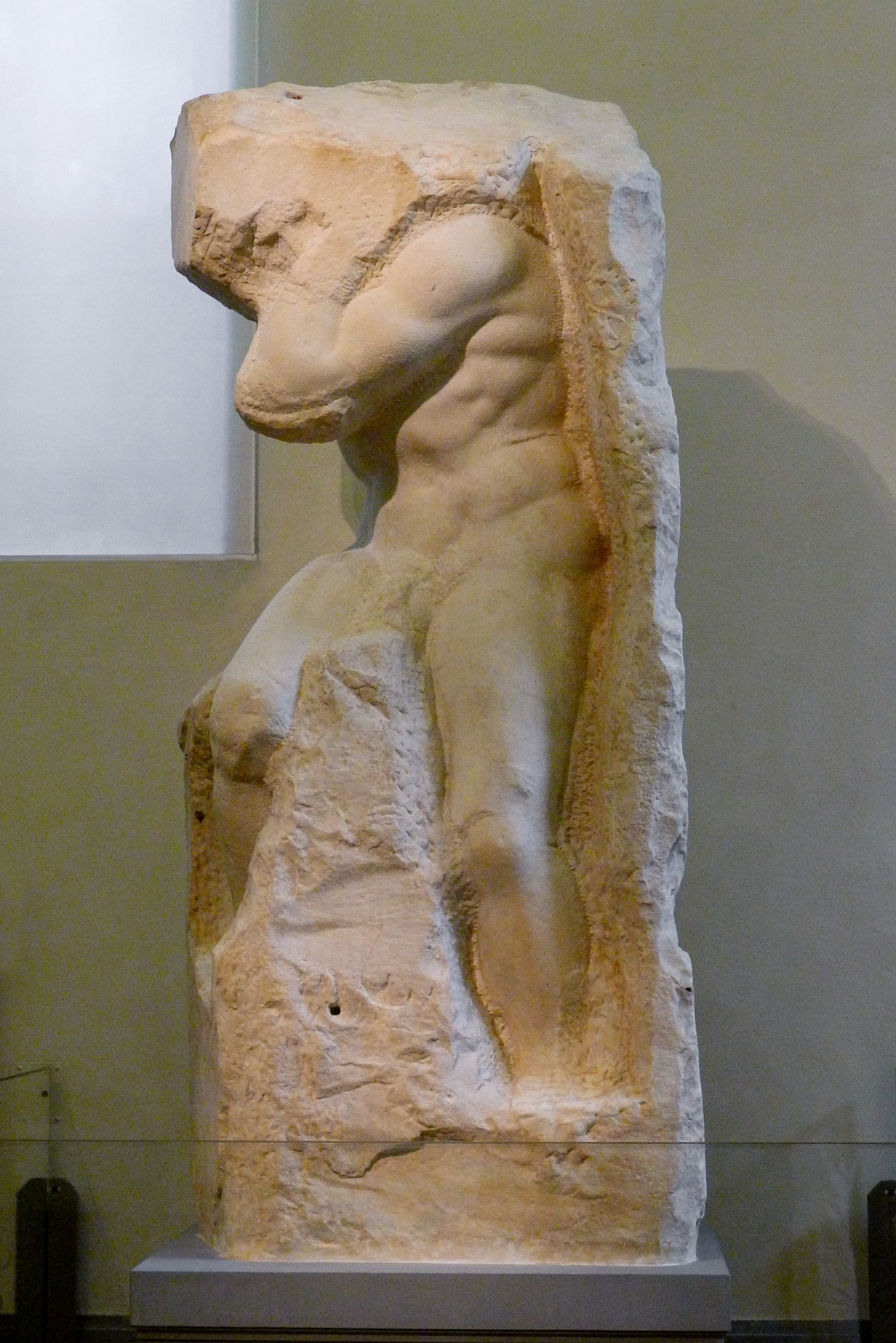
Few artworks communicate the visual power of incompletion more directly than Michelangelo's unfinished marble sculptures.
In Florence's Galleria dell'Accademia, four figures known as the Prisoners or Slaves stand along the corridor leading towards the celebrated statue of David.
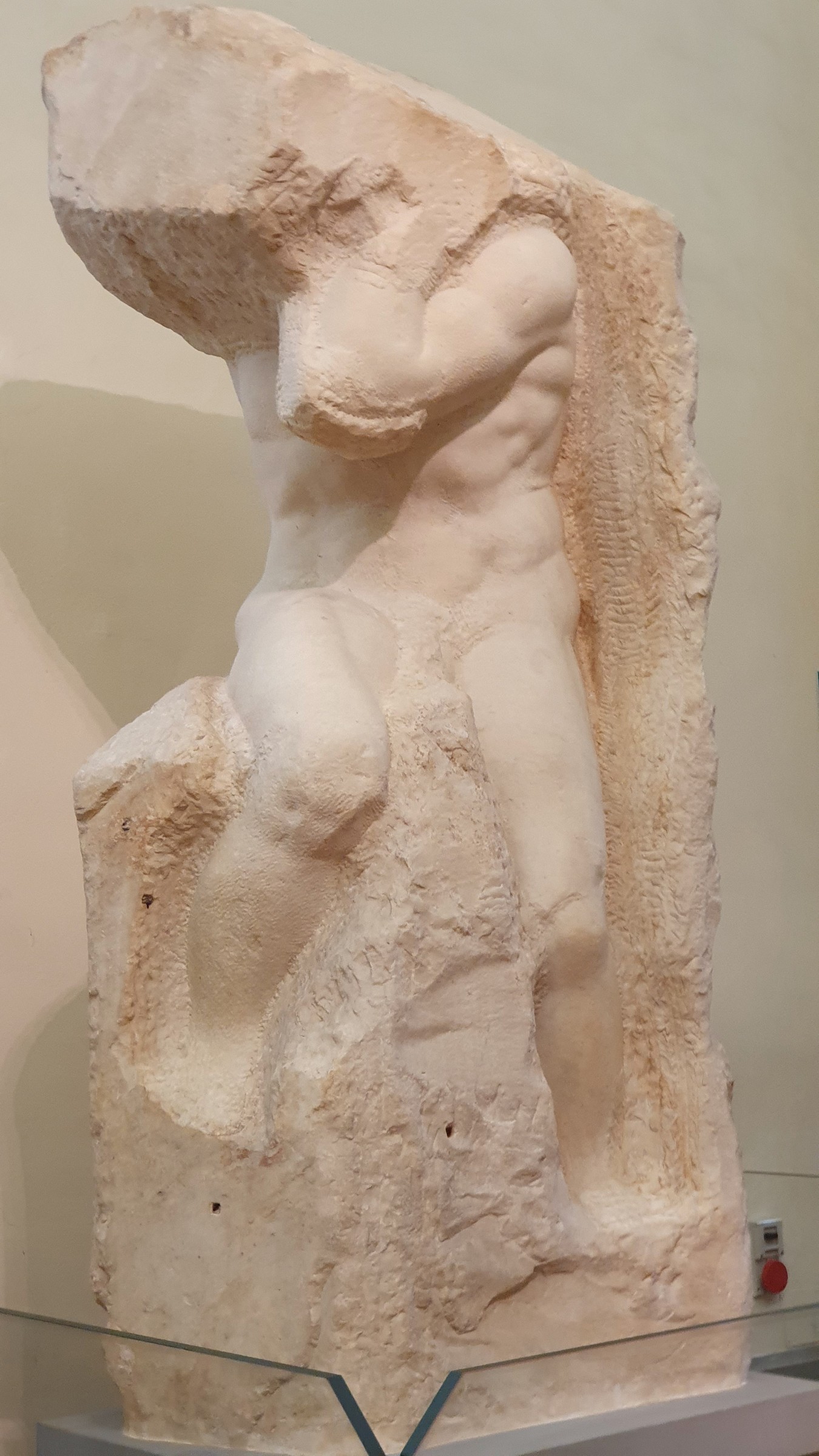
Originally intended for the monumental tomb of Pope Julius II, the sculptures were never completed.
Their appearance is extraordinary.
Muscular torsos emerge from rough marble. Arms and legs appear partially trapped within the stone. Some surfaces display carefully developed anatomical details, while others retain the marks of carving tools.
The figures seem to exist between two states.
Part of each sculpture has become recognisably human, while another part remains inseparable from the original block.
The effect is remarkably expressive.
The figures appear to twist, strain and struggle against the material surrounding them.
It is tempting to interpret this appearance as an intentional representation of human beings attempting to free themselves from stone.
However, the historical circumstances are more complicated.
The sculptures formed part of a commission that changed repeatedly, and the project was eventually reduced in scale. Their unfinished state cannot simply be assumed to have been Michelangelo's original artistic intention.
Nevertheless, their appearance has acquired a powerful meaning of its own.
Visitors encounter not only the human form, but also the process through which that form was being created.
The relationship between artist and material becomes visible.
In the contrast between rough stone and carefully modelled anatomy, the act of sculpting becomes part of the artwork's emotional impact.
The Moment Before Completion
One of the most interesting qualities of unfinished art is its ability to expose the creative process.
When viewing a completed painting, we generally encounter a unified image.
Individual brushstrokes may remain visible, but preliminary drawings, abandoned ideas and earlier arrangements have often been covered by subsequent layers.
An unfinished work can reveal these hidden stages.
A landscape might contain a carefully painted sky above a loosely suggested foreground.
A portrait might show a fully developed face surrounded by clothing that remains little more than an arrangement of colour.
The contrast allows us to observe how an artist allocated attention.
We can begin to understand which elements were established first and which remained unresolved.
Of course, incompletion does not provide a complete record of artistic intention.
A work might have changed considerably had its creator continued.
But it does preserve a particular moment in that process.
Instead of presenting art as the effortless achievement of a finished image, it reveals the decisions, experiments and revisions that shape its development.
And that can make the experience surprisingly intimate.
The distance between the viewer and the artist feels smaller.
When Artists Choose Not to Finish
Not all incomplete-looking artworks result from interrupted commissions or abandoned projects.
The Italian expression non finito, meaning unfinished, is also used to describe an artistic approach that deliberately embraces unresolved or apparently incomplete forms.
In such works, the unfinished appearance becomes part of the intended result.
A painter might leave areas of exposed canvas.
A sculptor might preserve the roughness of a material rather than polishing every surface.
The intention is not necessarily to suggest that more work remains to be done.
Instead, the visible marks and unresolved details contribute to the final artistic expression.
This challenges the assumption that completion requires uniform refinement.
A carefully rendered face might be more powerful when contrasted with loosely painted surroundings.
A textured marble surface might communicate movement or tension more effectively than one polished to perfect smoothness.
The appearance of incompletion can encourage the viewer to participate more actively.
Our imagination fills gaps, connects fragments and attempts to understand what has deliberately been left open.
Rather than controlling every detail of the experience, the artist allows interpretation to play a larger role.
Turner and the Boundaries of Painting
The British painter J. M. W. Turner offers another fascinating perspective on artistic completion.
Turner became celebrated for his extraordinary treatment of light, atmosphere, colour and landscape.
As his career developed, many of his paintings moved towards increasingly expressive arrangements of colour and form.
Some works appear remarkably loose, with recognisable subjects emerging from energetic brushwork and atmospheric effects.
Following Turner's death in 1851, a vast collection of works remained in his studio.
The collection eventually passed into public ownership through the Turner Bequest.
It included hundreds of paintings in different stages of completion, alongside thousands of drawings and sketches.
These works provide valuable evidence of the artist's experimentation.
They also demonstrate how difficult it can be to determine the precise boundary between a study and a finished artwork.
A painting that appears incomplete to one viewer may communicate an entirely coherent artistic idea to another.
Loose brushwork does not necessarily indicate that the artist intended to return and refine it.
For Turner, atmosphere and movement could matter more than meticulously defined details.
The experience of looking at his work raises an important question.
Should the value of a painting depend on how completely it describes its subject?
Or can the impression it creates be enough?
Art That Deliberately Comes Apart
By the twentieth century, some artists were taking the idea of incompletion in entirely new directions.
Rather than simply leaving certain areas unresolved, they began exploring artworks that changed, deteriorated or were deliberately altered after their initial creation.
American artist Janine Antoni's Lick and Lather, created between 1993 and 1994, provides a particularly striking example.
Antoni produced self-portrait busts using chocolate and soap.
She then altered their surfaces through physical actions: licking the chocolate sculptures and washing herself with the soap versions.
The resulting works carry traces of those intimate processes.
Their surfaces have been partially worn away, transforming the original representations.
Here, the artist was not attempting to complete an imperfect object.
She was deliberately undoing elements of something already formed.
The work challenges familiar ideas about preservation, permanence and artistic control.
It suggests that creation and destruction need not always be opposites.
Sometimes, the act of removing material is itself a form of artistic expression.
The finished artwork is not simply the object as it first appeared, but the record of what happened to it.
Who Decides When Art Is Finished?
In 2016, New York's Metropolitan Museum of Art explored these questions through an exhibition titled Unfinished: Thoughts Left Visible.
Bringing together artworks from the Renaissance to contemporary practice, the exhibition examined different meanings of incompletion.
Some works had been interrupted by circumstances beyond the artist's control.
Others deliberately embraced an unresolved appearance.
Together, they demonstrated that the concept of a finished artwork is far less straightforward than it might initially seem.
This uncertainty has implications for how we experience art.
A painting may be considered complete because the artist declared it so.
A sculpture might remain unfinished because a commission was cancelled.
A work may be left deliberately open-ended, inviting viewers to participate in its interpretation.
And sometimes, an object that was never intended for public display becomes celebrated precisely because it reveals an artist's working process.
The distinction between finished and unfinished is not always visible on the surface.
It may depend on historical circumstances, artistic intention and the interpretations of later generations.
Completion, it turns out, is not necessarily a fixed visual condition.
The Value of Leaving Something Open
There is something deeply human about unfinished art.
Most creative work involves uncertainty, revision and decisions that are never entirely straightforward.
Ideas develop gradually. Some approaches are abandoned. Others lead to unexpected discoveries.
A completed artwork can give the impression that its final form was inevitable.
An unfinished work reminds us that it was not.
Leonardo's exposed composition reveals a mind still working through possibilities.
Michelangelo's partially carved figures preserve the physical relationship between the sculptor and his material.
Turner's experimental paintings demonstrate how atmosphere and suggestion can challenge conventional expectations of representation.
And contemporary artists continue to explore what happens when creation remains deliberately unresolved.
These works are not compelling merely because they lack something.
They are compelling because they reveal qualities that might otherwise remain hidden.
The decisions behind an image.
The resistance of a material.
The uncertainty of artistic intention.
The possibility that an audience can participate in giving a work meaning.
We often associate artistic excellence with perfection.
But art has never been defined by perfection alone.
Sometimes, a rough surface communicates more than a polished one.
An unresolved composition can provoke greater curiosity than an image in which everything has been explained.
And a work left unfinished centuries ago can continue to generate new interpretations today.
Perhaps that is the enduring beauty of the unfinished.
It allows us to see not only what an artist created, but something of what they were still trying to discover.
Further Reading
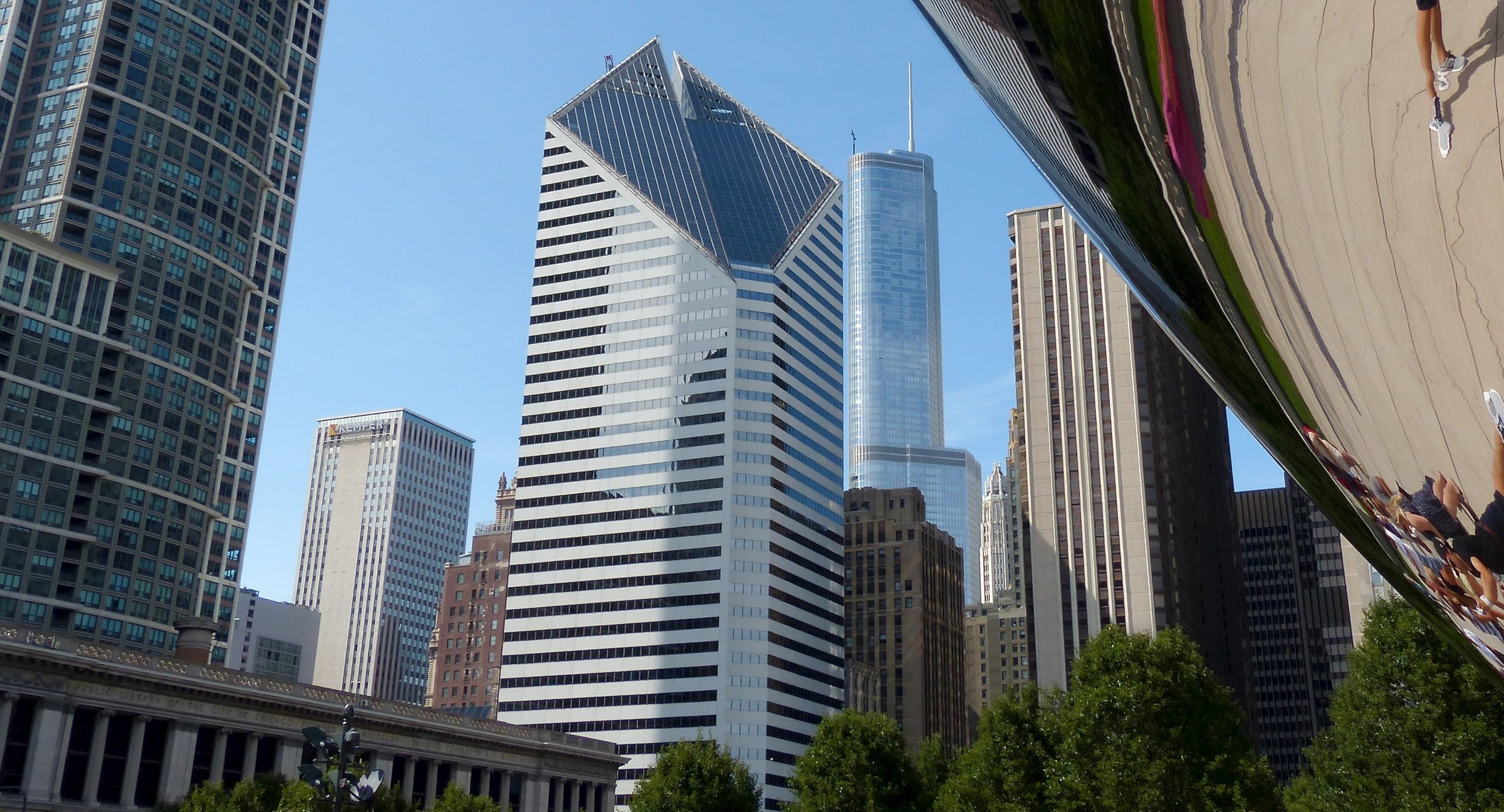
When Art Leaves the Gallery
From Chicago's Cloud Gate to Berlin's East Side Gallery, public art turns streets, parks and squares into places of unexpected encounter.
By Culturefold Editors
The Art of Seeing Differently
A closer look at how creativity changes our understanding of familiar places, everyday objects and the world we inhabit.
By Culturefold Editors