
The Places That Bring Us Together
From historic coffeehouses to neighbourhood libraries, why the spaces between home and work remain essential to cultural life.
Every city has places that rarely appear in guidebooks.
A small café where the same customers arrive each morning. A neighbourhood barbershop where conversations continue long after the haircut is finished. A public library where students, retirees and families share the same quiet space.
Individually, these places may seem unremarkable.
Yet together, they form an important part of a community's cultural identity.
They provide opportunities for people to meet, exchange ideas, establish routines and develop a sense of belonging beyond their homes and workplaces.
Unlike major cultural institutions or celebrated landmarks, their significance rarely comes from architectural grandeur or international recognition.
It emerges from the ordinary human interactions taking place within them.
And in an increasingly connected yet often individualised world, these informal gathering places offer something that remains surprisingly difficult to reproduce.
The simple experience of being somewhere together.
The Third Place
In 1989, American sociologist Ray Oldenburg introduced the concept of the third place in his book The Great Good Place.
The idea was relatively straightforward.
Our homes represent the first place in our lives. Our workplaces represent the second.
The third place exists beyond both.
It is somewhere people can gather informally, spend time without rigid expectations and develop social relationships outside their immediate domestic or professional circles.
Coffeehouses, neighbourhood pubs, libraries, social clubs and barbershops can all serve this purpose.
What matters is not the particular activity taking place, but the atmosphere of accessibility and familiarity.
A successful third place allows people to arrive without a formal invitation.
Conversation develops naturally. Regular visitors become familiar faces. Strangers may find themselves participating in discussions they never expected to have.
Over time, these interactions create relationships that extend beyond individual visits.
Oldenburg argued that such environments contribute significantly to community life.
They provide settings where people from different backgrounds can meet on relatively informal terms, outside the structures that define much of everyday existence.
The importance of these places is not always obvious while they are available.
It often becomes clearer when they disappear.
Vienna and the Culture of Conversation
Few cities demonstrate the cultural importance of informal gathering places more clearly than Vienna.
For centuries, the Austrian capital's coffeehouses have played a distinctive role in its social and intellectual life.
The traditional Viennese coffeehouse was never simply somewhere to purchase a drink.
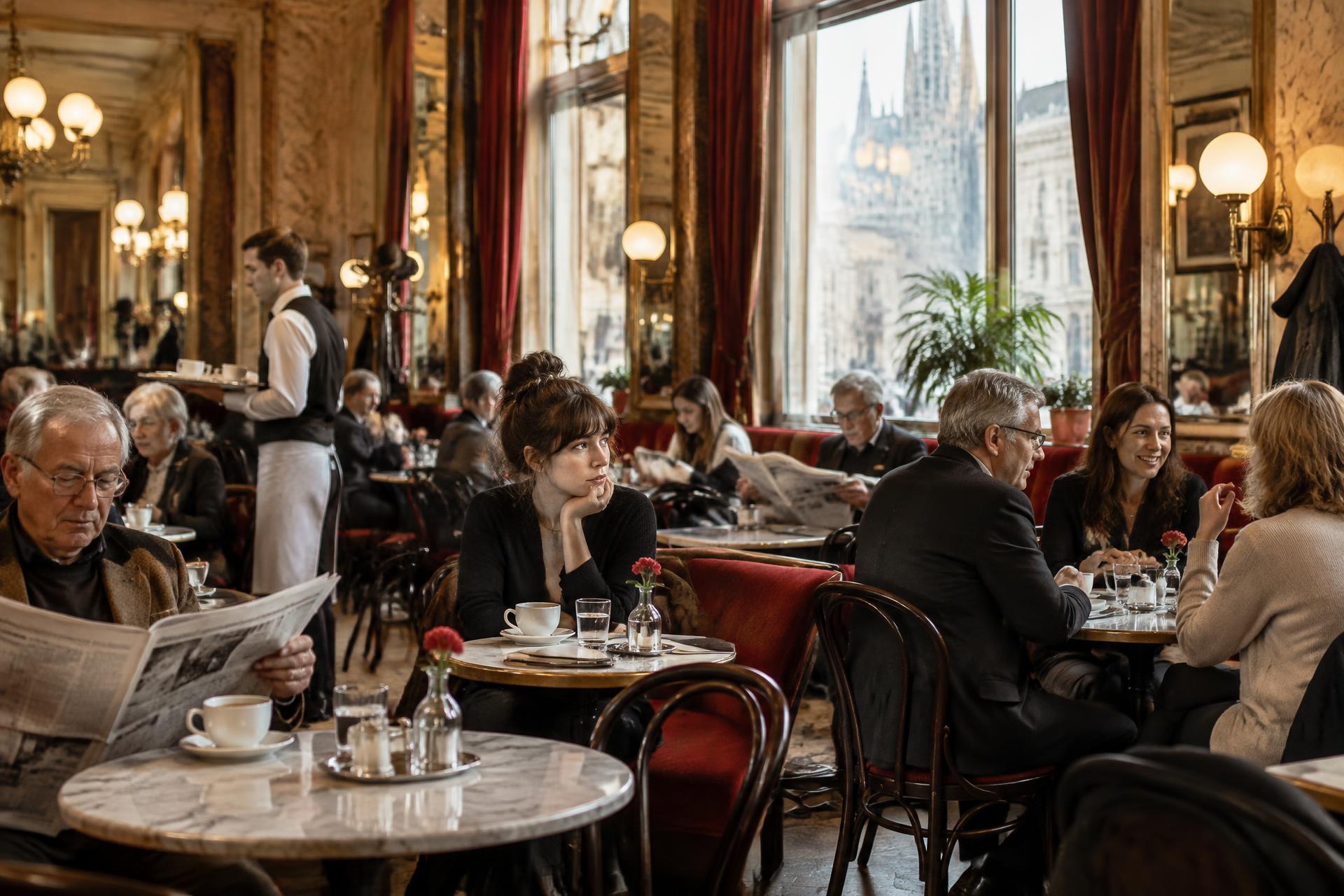
It offered a setting in which people could read newspapers, hold conversations, write, debate and spend extended periods observing the world around them.
Marble-topped tables, bentwood chairs, newspapers and attentive service became recognisable elements of this culture.
During the nineteenth and early twentieth centuries, coffeehouses also became important meeting places for writers, artists and intellectuals.
Establishments such as Café Central developed reputations as centres of literary and cultural exchange.
The relationship between the city and its coffeehouses became so established that the tradition developed an identity of its own.
In 2011, Viennese coffeehouse culture was added to Austria's national inventory of intangible cultural heritage.
The recognition acknowledged something important.
Cultural heritage is not limited to historic monuments, artworks or physical objects.
It can also exist in social customs, shared practices and the ways communities spend time together.
The value of Vienna's coffeehouses lies not only in their distinctive interiors or celebrated histories.
It also resides in the culture of conversation that developed around them.
A simple cup of coffee became part of a much larger social experience.
The Importance of Familiar Faces
Not every meaningful social relationship begins with a deliberate introduction.
Sometimes, familiarity develops almost accidentally.
The person who serves your morning coffee remembers your usual order. The owner of a neighbourhood shop asks about your family. Someone you regularly see in the same café begins to recognise you.
These interactions may be brief, but they contribute to a sense of connection with the surrounding community.
They remind us that belonging does not always require close friendship.
It can emerge through repeated encounters with people who occupy the same everyday environment.
A familiar face at a local market might not know much about your life, yet their presence helps make the neighbourhood feel recognisable.
Over time, these small relationships create a social texture that is difficult to measure.
They offer continuity in places where people, businesses and communities are constantly changing.
This is one reason the disappearance of a longstanding local establishment can feel more significant than its commercial value might suggest.
A café closing is not simply the loss of somewhere to buy coffee.
For some people, it also means losing a familiar routine, a regular conversation or a place where they felt comfortable spending time.
The memories associated with these environments become part of a community's shared experience.
A Place Without an Agenda
Much of contemporary life is organised around purpose.
We attend meetings with defined objectives, visit shops to purchase specific products and arrange social activities around increasingly busy schedules.
Even leisure can become something to plan, document and optimise.
Third places offer a different possibility.
They allow time to exist without an obvious objective.
Someone might enter a library simply to read. A group of friends may spend an afternoon talking without reaching any particular conclusion. A retired resident might visit a familiar café because the atmosphere provides a welcome sense of company.
These activities are not necessarily productive in a conventional sense.
But their value lies elsewhere.
Unstructured time allows conversations to develop, ideas to emerge and relationships to strengthen without the pressure of achieving a particular result.
A chance encounter might introduce somebody to a different perspective.
An ordinary discussion may develop into a friendship.
Or an afternoon might pass without anything especially memorable happening.
That, too, can be worthwhile.
Not every meaningful part of life needs to produce a measurable outcome.
Who Gets to Belong?
There is, however, an important distinction between a welcoming public space and one that merely looks inviting.
Not everybody has equal access to the places where communities gather.
A fashionable café may provide a comfortable environment, but its prices can make regular visits unrealistic for some residents.
Private clubs may offer strong social networks while restricting membership.
Even public spaces can feel inaccessible when they are poorly maintained, difficult to reach or designed without considering different physical needs.
The idea of the third place is most valuable when it includes genuine accessibility.
This is where public libraries, community centres and other shared facilities become particularly important.
They can provide opportunities to participate in community life without requiring substantial spending.
Libraries, especially, perform a role far broader than lending books.
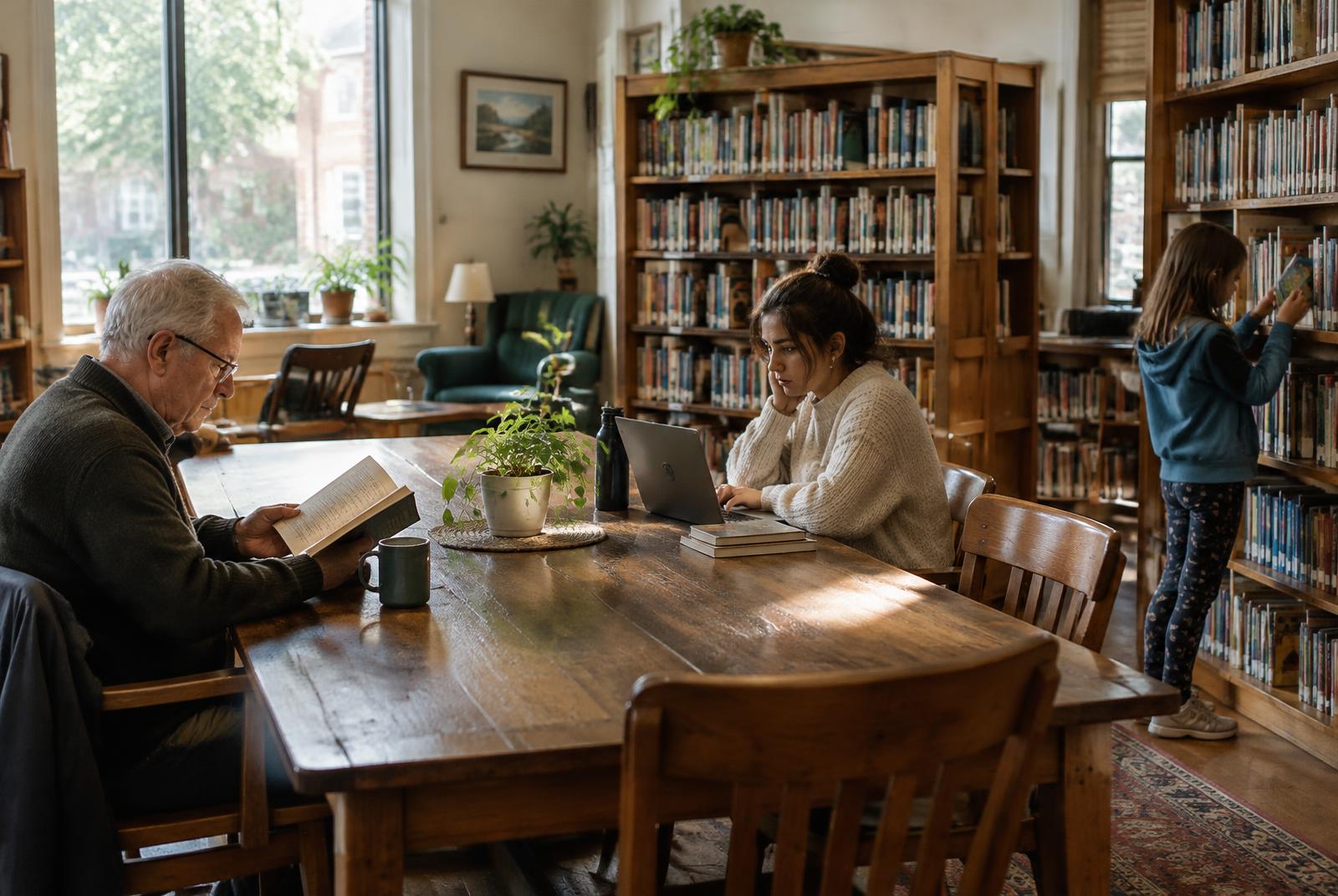
They may offer quiet places to study, access to information, public events and opportunities for people of different generations to share the same environment.
Their cultural importance is not determined only by the size of their collections.
It also comes from the opportunities they create for people to participate in public life.
An inclusive community needs places where belonging is not treated as something that must continually be purchased.
Can Digital Spaces Replace Physical Ones?
The internet has created extraordinary opportunities for people to connect across geographical boundaries.
Online communities allow individuals with shared interests to exchange ideas, build friendships and discover cultures they might otherwise never encounter.
A conversation that once required people to live in the same neighbourhood can now take place between participants on opposite sides of the world.
These relationships can be meaningful and lasting.
Digital communities are particularly valuable for people who struggle to find others with similar experiences or interests in their immediate surroundings.
Yet online interaction also operates differently from sharing physical space.
A neighbourhood café allows people with little in common to encounter one another unexpectedly.
An online community is often formed around an existing interest, identity or purpose.
Neither environment is inherently superior, but they encourage different kinds of connection.
The digital world can bring distant people closer together.
Physical gathering places can help connect people who already live near one another but might otherwise remain strangers.
Rather than viewing these forms of interaction as competitors, it may be more useful to recognise their complementary roles.
A healthy cultural life has room for both.
The Culture We Risk Losing
When a longstanding local establishment closes, public discussion often focuses on economic circumstances.
Rising costs, changing consumer habits and commercial pressures can make small independent businesses difficult to sustain.
But the consequences extend beyond the immediate loss of a service.
A familiar social setting disappears.
The conversations, routines and relationships associated with it must find somewhere else to continue.
Sometimes they do.
A new café opens nearby. A community group relocates. Residents establish new meeting places that eventually develop traditions of their own.
Culture is not static, and communities have always adapted to changing circumstances.
Yet not every lost gathering place is easily replaced.
A new establishment may serve the same products without attracting the same mixture of people.
A beautifully designed public space may remain underused if it lacks the familiarity and sense of ownership that encourage people to return.
Meaningful places develop over time.
Their character emerges from repeated human interaction rather than physical design alone.
Preserving community life therefore requires more than protecting buildings or commercial premises.
It involves recognising the social relationships that make certain places important.
The Spaces Between Our Lives
The places that define a culture are not always its most famous.
They may be ordinary establishments, public squares, neighbourhood libraries or small meeting places known primarily to the people who use them.
Their contribution rarely attracts international attention.
But they influence how communities experience everyday life.
They provide space for conversation, disagreement, friendship, reflection and the uncomplicated pleasure of being around other people.
In doing so, they allow a city's cultural identity to develop through the people who inhabit it.
A place does not need extraordinary architecture or a celebrated history to become meaningful.
Sometimes, it needs only a few tables, familiar faces and the freedom to stay a little longer than planned.
Perhaps the true character of a city is found not simply in its buildings, museums or monuments.
But in the places where people choose to return, again and again.
Further Reading
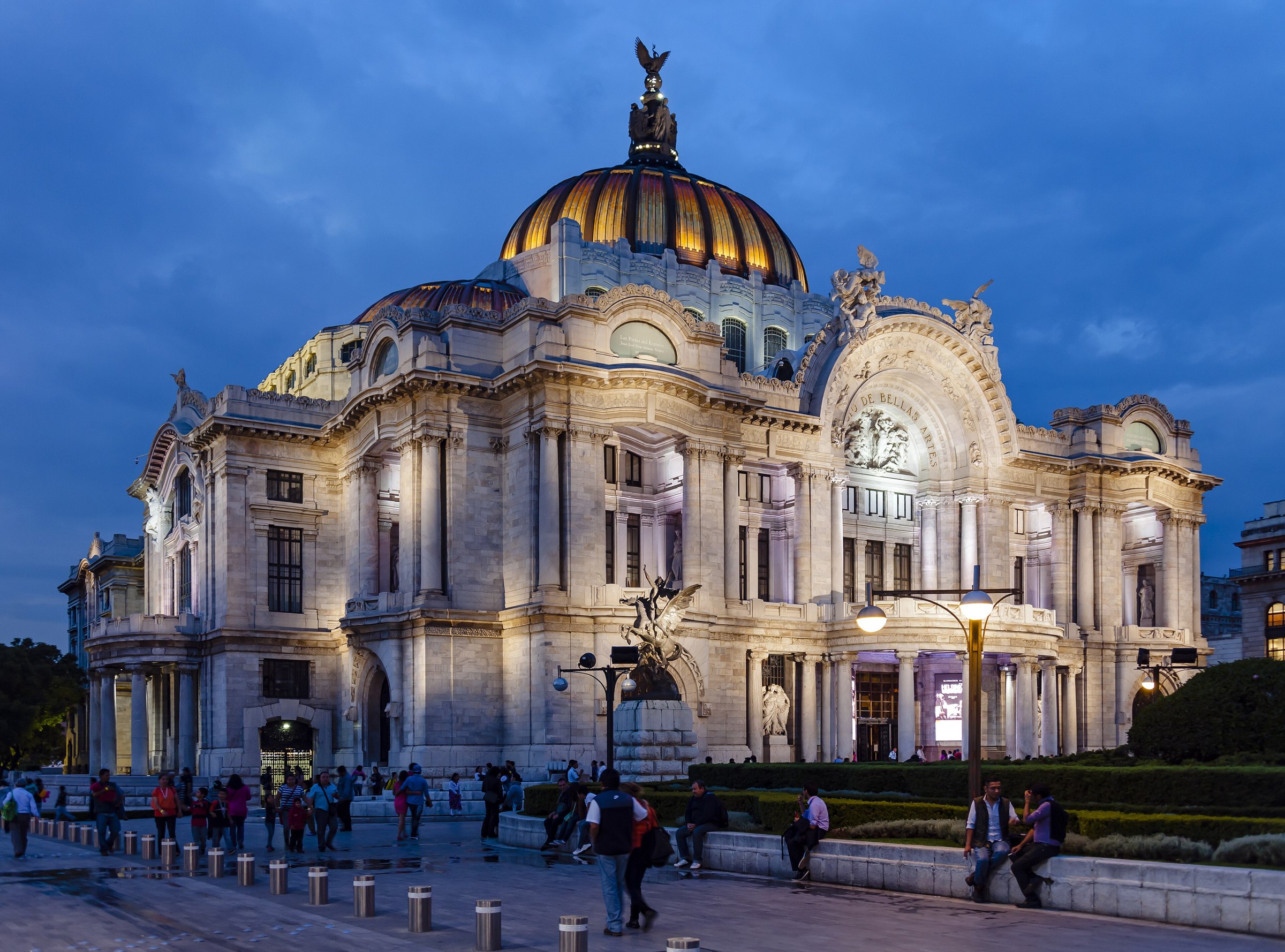
Mexico City: A City of Many Lives
From ancient Tenochtitlan to Bellas Artes, Barragán and the canals of Xochimilco, Mexico City reveals itself in layers.
By Culturefold Editors

The Art of Seeing Differently
A closer look at how creativity changes our understanding of familiar places, everyday objects and the world we inhabit.
By Culturefold Editors