
Mexico City: A City of Many Lives
From ancient ruins and grand avenues to colourful neighbourhoods and contemporary creativity, discovering the many identities of Mexico's extraordinary capital.
There are cities that reveal themselves almost immediately, and others that seem to become more complicated the longer you explore them.
Mexico City belongs firmly to the latter.
At first, its scale can be overwhelming. Wide avenues cut through dense neighbourhoods, historic buildings stand beside modern towers, and an apparently endless collection of streets stretches towards the mountains surrounding the valley.
Yet the city's character is not defined by its size alone.
It exists in the contrast between centuries-old architecture and contemporary galleries. In the colour of neighbourhood markets, the quiet courtyards hidden behind busy streets, and the extraordinary variety of communities that share the same urban landscape.
Mexico City is not easily reduced to a single identity.
It is a place shaped by different civilisations, periods of remarkable creativity, political upheaval and continuous reinvention.
To understand it, you must look beyond the most familiar landmarks.
Because the most interesting thing about Mexico City may be the number of different cities existing within it.
A City Built Upon Another
Few capitals demonstrate the layers of history quite as dramatically as Mexico City.
Long before the arrival of the Spanish, the site was home to Tenochtitlan, the extraordinary island capital of the Mexica civilisation.
Founded in the fourteenth century on Lake Texcoco, Tenochtitlan developed into one of the most important urban centres in the Americas.
Its network of canals, causeways, temples and marketplaces formed a sophisticated city whose physical character was closely connected to the surrounding water.
The Spanish conquest in 1521 brought destruction and profound change.
Colonial Mexico City subsequently developed over the remains of the earlier settlement, incorporating new streets, religious buildings and civic institutions.
Today, traces of these different periods remain remarkably close together.
In the historic centre, the archaeological remains of the Templo Mayor stand near the Metropolitan Cathedral and the enormous Zócalo, the city's principal public square.
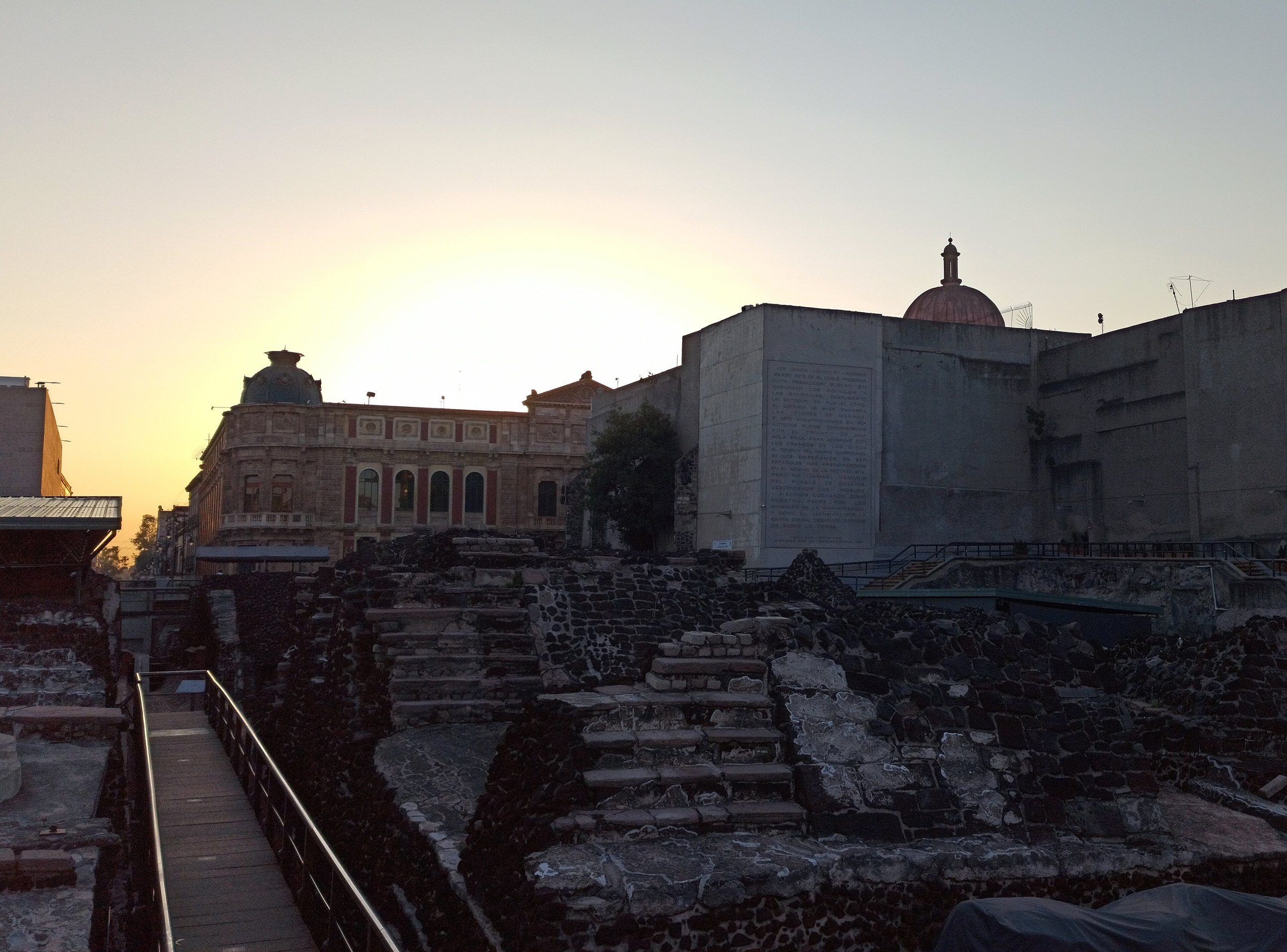
The contrast is extraordinary.
An ancient ceremonial centre, a monumental colonial cathedral and the institutions of modern Mexico occupy a relatively small geographical area.
These are not separate chapters preserved in distant locations.
They exist alongside one another, revealing the complexity of the city's history.
In 1987, UNESCO recognised the Historic Centre of Mexico City and Xochimilco as a World Heritage Site.
The designation acknowledged the exceptional cultural and historical significance of these places.
But beyond its official recognition, the historic centre offers something more immediate.
It allows visitors to experience the different eras of a city through its physical surroundings.
The Theatre of Everyday Life
The Zócalo is among Mexico City's most recognisable public spaces.
Surrounded by significant civic and religious buildings, the enormous square has witnessed ceremonies, demonstrations, celebrations and countless moments of national importance.
Yet its identity is not determined only by historic events.
It is also shaped by everyday activity.
People cross the square on their way to work. Families gather beneath the enormous Mexican flag. Visitors photograph the cathedral, while others move through the surrounding streets towards markets, shops and restaurants.
The space operates simultaneously as a national symbol and an ordinary part of urban life.
That combination is characteristic of Mexico City.
Monumental architecture rarely feels entirely separated from the people around it.
Historic buildings form the backdrop to commercial activity, cultural expression and the daily routines of millions of residents.
Walk a short distance from the Zócalo and the character of the streets begins to change.
Grand facades give way to smaller businesses, crowded pavements and buildings whose histories are not immediately apparent.
Some streets feel ceremonial.
Others are entirely practical.
Together, they create a city centre that remains active rather than existing solely as a preserved historical attraction.
Art on a Grand Scale
Mexico City's artistic identity is impossible to separate from its architecture and political history.
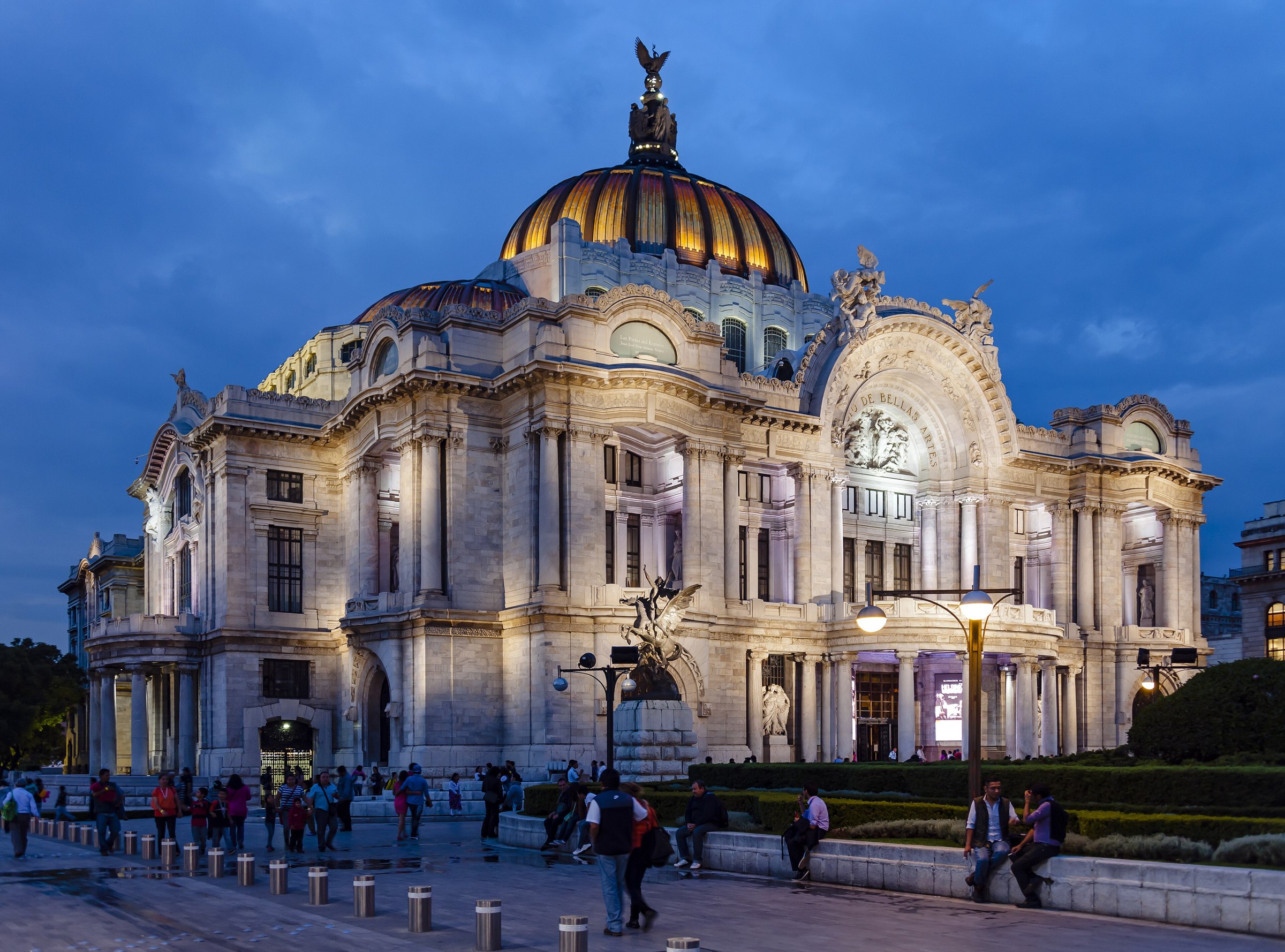
The Palacio de Bellas Artes provides one of the most striking examples.
Inaugurated in 1934, the building combines an elaborate exterior with an interior influenced by Art Deco design.
Its distinctive dome and monumental facade have made it one of the capital's most recognisable landmarks.
Inside, artworks by some of Mexico's most influential twentieth-century artists contribute to the building's cultural significance.
Diego Rivera, José Clemente Orozco and David Alfaro Siqueiros are among the artists whose murals appear within the palace.
Their work reflects the importance of muralism in modern Mexican artistic history.
Following the Mexican Revolution, large-scale public murals became powerful vehicles for communicating ideas about national identity, history, social struggle and political change.
Rather than remaining confined to private collections, art became part of the public environment.
This relationship between creativity and civic life continues to influence the city's cultural character.
Major museums and established institutions coexist with independent galleries, artist-run spaces and experimental creative communities.
Art is not limited to one neighbourhood or a particular architectural setting.
It appears in historic buildings, contemporary spaces and the wider visual landscape of the city.
For anyone interested in the relationship between art and society, Mexico City offers an unusually rich perspective.
Colour, Light and the Mexican Modernist Tradition
Mexico City has also made an important contribution to modern architecture.
Among its most influential figures was Luis Barragán, whose work brought together modernist principles, Mexican traditions and an exceptionally sensitive approach to colour and light.
His house and studio, completed in 1948, offer a remarkable example.
Located in the Tacubaya area, the building presents a relatively restrained exterior.
Inside, however, carefully arranged spaces, textured surfaces, unexpected colours and controlled natural light create a distinctive architectural experience.
Barragán understood that colour could do more than decorate a room.
It could influence atmosphere, establish relationships between surfaces and change the emotional character of a space.
A wall becomes more than a structural division.
A window becomes a means of shaping light.
A courtyard offers an opportunity for stillness within a busy urban environment.
In 2004, the Luis Barragán House and Studio was added to UNESCO's World Heritage List.
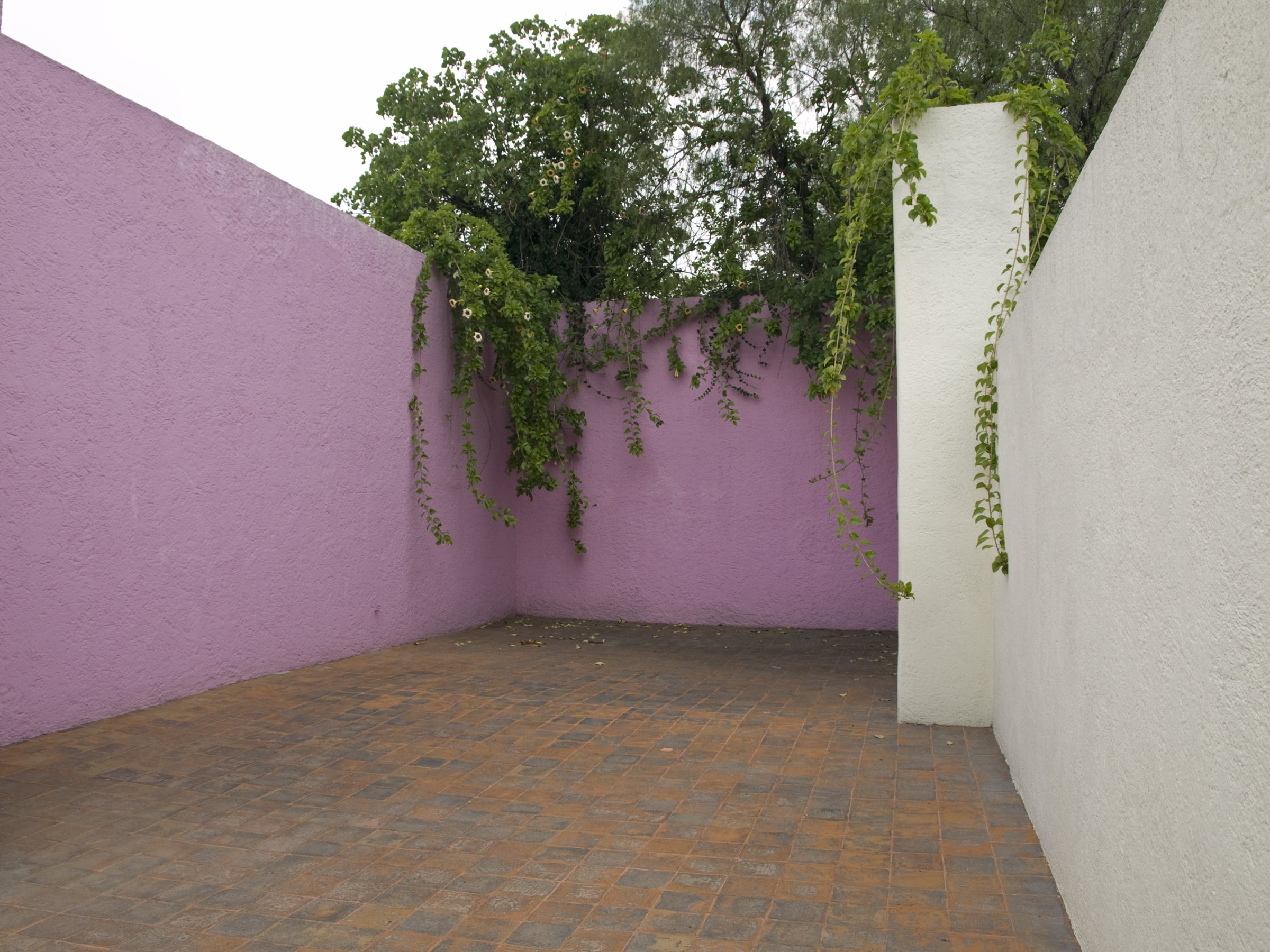
Its influence extends well beyond Mexico, particularly in contemporary approaches to residential architecture and landscape design.
Yet its importance also lies in the way it demonstrates that modern architecture need not abandon local cultural identity.
Barragán developed a visual language that was recognisably contemporary while remaining deeply connected to his own surroundings.
His work continues to challenge the idea that modernism must be emotionally detached or visually restrained.
Many Neighbourhoods, Many Identities
To experience the different personalities of Mexico City, it is necessary to move beyond its monumental centre.
Coyoacán offers a noticeably different atmosphere.
Its historic streets, plazas and residential architecture give parts of the neighbourhood a more intimate character.
The area is closely associated with the life and work of Frida Kahlo.
Her former family home, known as Casa Azul, became a museum in 1958 and remains an important place for understanding the artist's personal and creative world.
But Coyoacán is far more than the legacy of one individual.
Its markets, cultural institutions, public spaces and longstanding communities contribute to a distinctive local identity.
Elsewhere, Roma and Condesa reflect another side of the capital.
Tree-lined streets, twentieth-century residential architecture, independent businesses and a lively cultural scene have helped establish these neighbourhoods as prominent centres of contemporary urban life.
Their appeal has also brought questions about rising property costs, tourism and neighbourhood change.
That tension is part of the reality of a city constantly reshaping itself.
The qualities that attract visitors and new investment can also create pressures for longstanding residents and businesses.
Understanding a place therefore requires considering not only what makes it visually appealing, but also how it functions for the people who live there.
Mexico City's neighbourhoods reveal very different experiences of the same metropolis.
No single district can represent the whole.
The City That Was Once a Lake
One of Mexico City's most fascinating characteristics is its relationship with water.
The modern capital occupies a landscape that was once defined by an extensive system of lakes.
Over centuries, drainage, development and urban expansion transformed that environment.
Much of the original lake system disappeared.
Yet in the southern part of the city, Xochimilco preserves an important connection to the region's earlier landscape.
Its network of canals and agricultural plots reflects methods of working with water that developed long before the modern city.
The area is particularly associated with chinampas, cultivated plots created in shallow lake environments.
Although frequently described as floating gardens, these are constructed agricultural areas rather than freely floating islands.
The system demonstrates an extraordinary understanding of the relationship between human settlement, agriculture and the natural environment.
Today, Xochimilco is also known for its colourful boats, known as trajineras, which carry visitors through parts of the canal network.
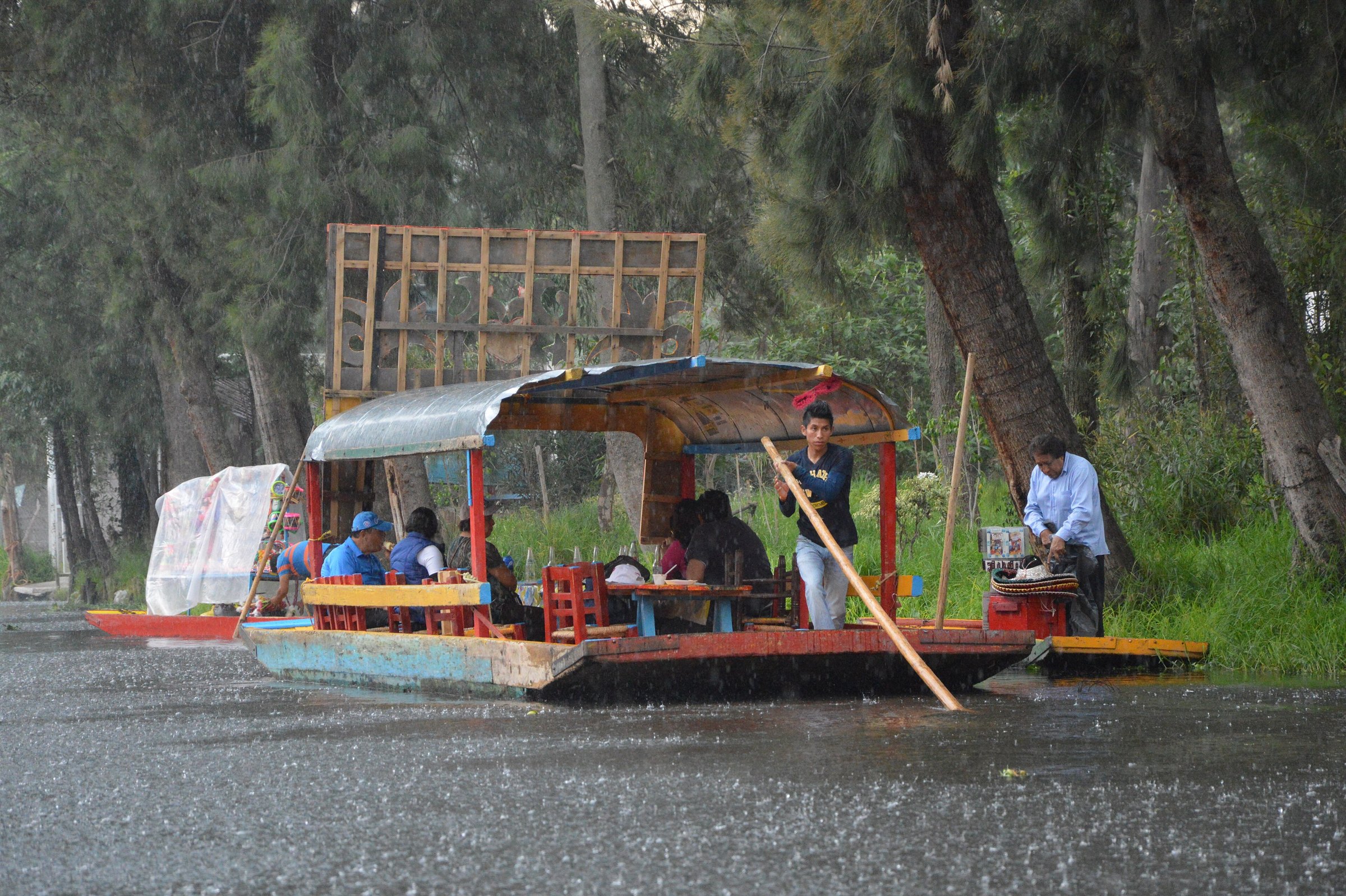
But reducing the area to a picturesque boat ride overlooks its deeper significance.
The continued existence of the chinampa landscape represents a living connection to the agricultural traditions and environmental history of the Valley of Mexico.
It also faces significant pressures from urban development, water management and environmental degradation.
Preserving Xochimilco means protecting more than an attractive destination.
It means maintaining a cultural landscape whose importance reaches back centuries.
A City Still Being Written
One of the difficulties of describing Mexico City is that it resists simple conclusions.
It is ancient and contemporary, monumental and intimate, highly organised in some places and seemingly chaotic in others.
Its public spaces carry centuries of history while continuing to accommodate new forms of expression.
Its neighbourhoods evolve as communities, businesses and cultural movements change.
And its creative identity emerges not only from celebrated artists and architects, but also from the ordinary decisions made by people who inhabit the city every day.
Mexico City is not without challenges.
Its extraordinary scale creates demands on infrastructure, housing, transport and the environment.
Urban development can bring opportunities while placing pressure on historic neighbourhoods and established communities.
Yet these tensions are inseparable from the story of a living metropolis.
A city is not simply the sum of its most beautiful buildings or celebrated cultural institutions.
It is also defined by the relationships between people, places and the changing conditions of everyday life.
Beyond the Postcard
There is no single photograph capable of explaining Mexico City.
A picture of the Palacio de Bellas Artes captures its architectural grandeur but not the quieter residential streets of Coyoacán.
The colourful canals of Xochimilco reveal one part of its environmental heritage but cannot convey the experience of standing beside the ruins of Tenochtitlan.
Barragán's carefully composed interiors express an entirely different aspect of the city's creative identity.
Each image offers a perspective.
None tells the complete story.
Perhaps that is what makes Mexico City such a compelling place to explore.
It rewards curiosity beyond the obvious landmarks, encouraging visitors to recognise the relationships between history, architecture, art and the ordinary rhythms of urban life.
One neighbourhood offers a glimpse of the past.
Another reveals the ambitions of the present.
And somewhere between them, the city's future is already taking shape.
Mexico City is not a place that can be understood through a single visit, a familiar landmark or an established narrative.
Its identity exists in the many lives it has already lived — and the countless others still unfolding.
Further Reading
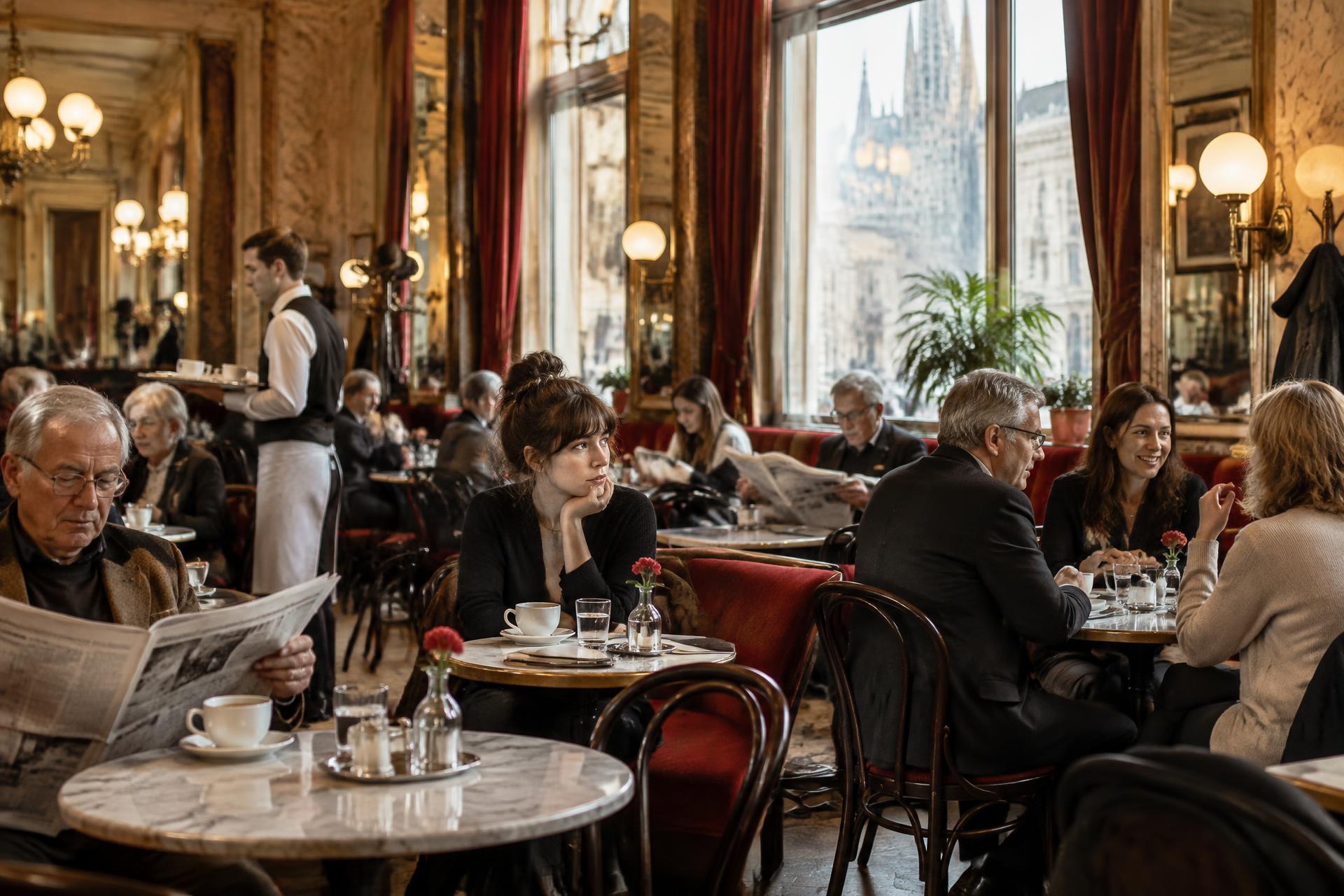
The Places That Bring Us Together
Cafés, libraries and everyday gathering places rarely appear in guidebooks, yet they sustain community, belonging and cultural identity.
By Culturefold Editors
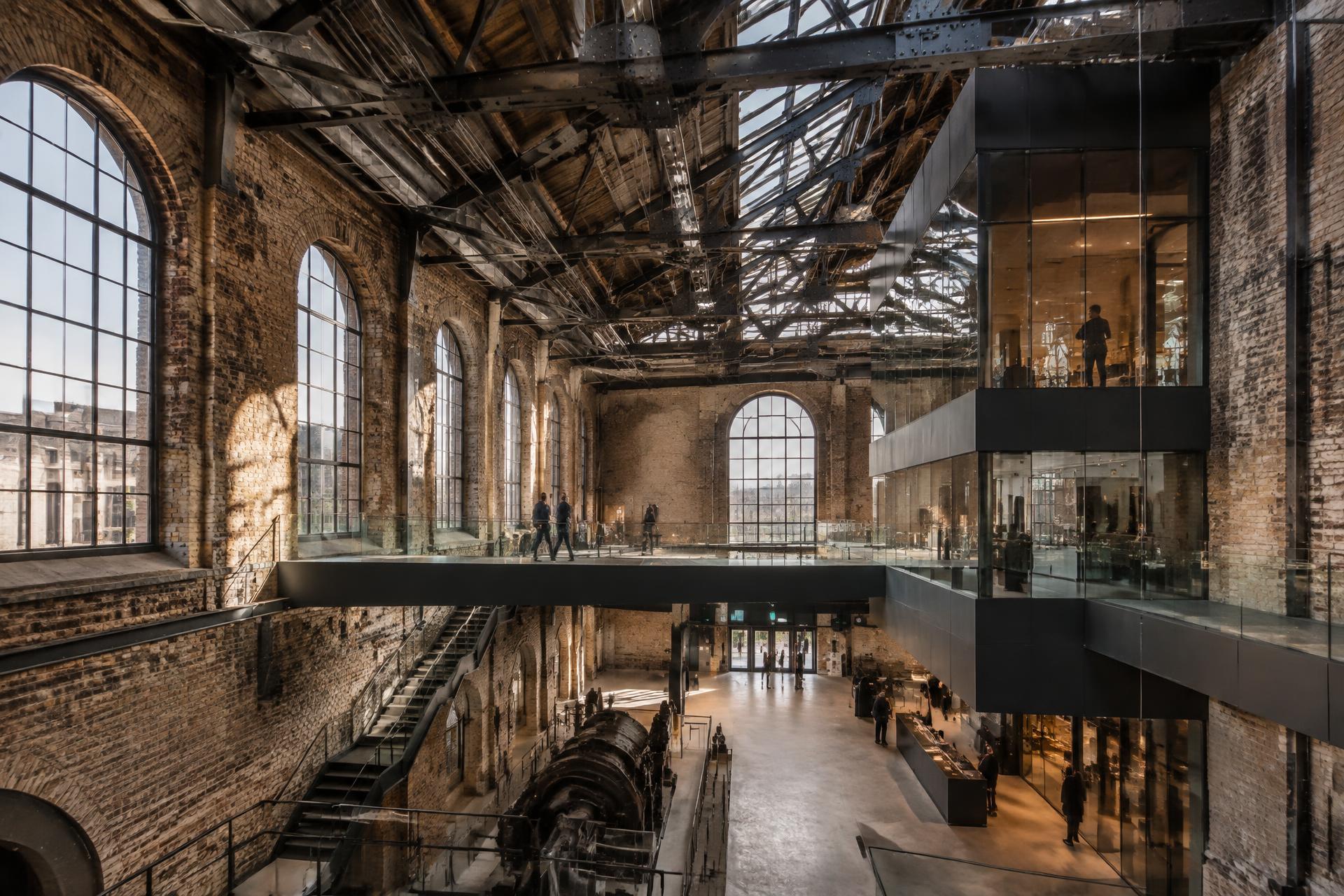
The Second Life of Buildings
From Tate Modern to Coal Drops Yard, adaptive reuse gives factories, power stations and warehouses a new purpose — and asks what existing buildings might still become.
By Culturefold Editors
The Art of Seeing Differently
A closer look at how creativity changes our understanding of familiar places, everyday objects and the world we inhabit.
By Culturefold Editors