
What We Eat, Who We Are
How food preserves memories, connects generations and reveals the cultural identities of communities around the world.
Few things connect us to our past as immediately as food.
The smell of something cooking can bring back a childhood memory with extraordinary clarity. A familiar recipe can remind us of a particular person, a family gathering or a place we have not visited for years.
Sometimes, the connection is difficult to explain.
An ordinary meal prepared in a particular way can carry a significance that has little to do with the ingredients themselves.
Perhaps it is the method passed down through generations. The particular combination of flavours associated with home. Or simply the knowledge that somebody once prepared the same dish for us.
Food is among the most accessible expressions of culture.
It reflects geography, climate, agriculture, migration, trade and the social traditions of the people who prepare it.
But unlike a monument or a painting, culinary heritage is continually recreated.
It exists through ordinary human actions.
Ingredients are selected, recipes adjusted, meals prepared and knowledge shared.
The result is something remarkably personal and deeply collective.
And around the world, the stories behind familiar dishes reveal that food is rarely just about eating.
The History Within an Ingredient
Every cuisine begins with its environment.
Geography determines which crops can grow, which animals can thrive and which ingredients are available.
Climate influences preservation techniques.
Trade introduces unfamiliar flavours, while migration brings established culinary traditions into new surroundings.
Over generations, these circumstances shape what people eat and how they prepare it.
Consider the importance of rice across much of Asia.
Different growing conditions, varieties and methods of preparation have contributed to an extraordinary range of culinary traditions.
In some places, rice is served as a relatively simple accompaniment.
Elsewhere, it becomes the foundation of elaborate dishes, fermented products or foods associated with particular celebrations.
Similarly, wheat has played an important role in the development of countless European, Middle Eastern and Asian food traditions.
Bread, noodles and other familiar products demonstrate how the same basic ingredient can be interpreted in remarkably different ways.
The significance of these foods extends beyond nutrition.
Agricultural practices influence settlement patterns, economic relationships and seasonal routines.
Harvests can become occasions for celebration.
Preservation techniques emerge from the need to make food available during difficult periods.
Cooking traditions develop around local materials, available equipment and knowledge accumulated over generations.
A dish can therefore be understood as something resembling a historical document.
Its ingredients and preparation methods provide clues about the circumstances in which it developed.
And when those traditions survive, they maintain a connection between the present and the lives of people who came before.
Mexico: The Meaning of Maize
In Mexico, few ingredients carry greater cultural significance than maize.
Cultivated in the Americas for thousands of years, maize became fundamental to the development of numerous Indigenous societies.
Its importance extended beyond food.
Agricultural practices, ceremonies, community relationships and systems of knowledge developed around its cultivation and preparation.
Today, maize remains central to Mexican cuisine.
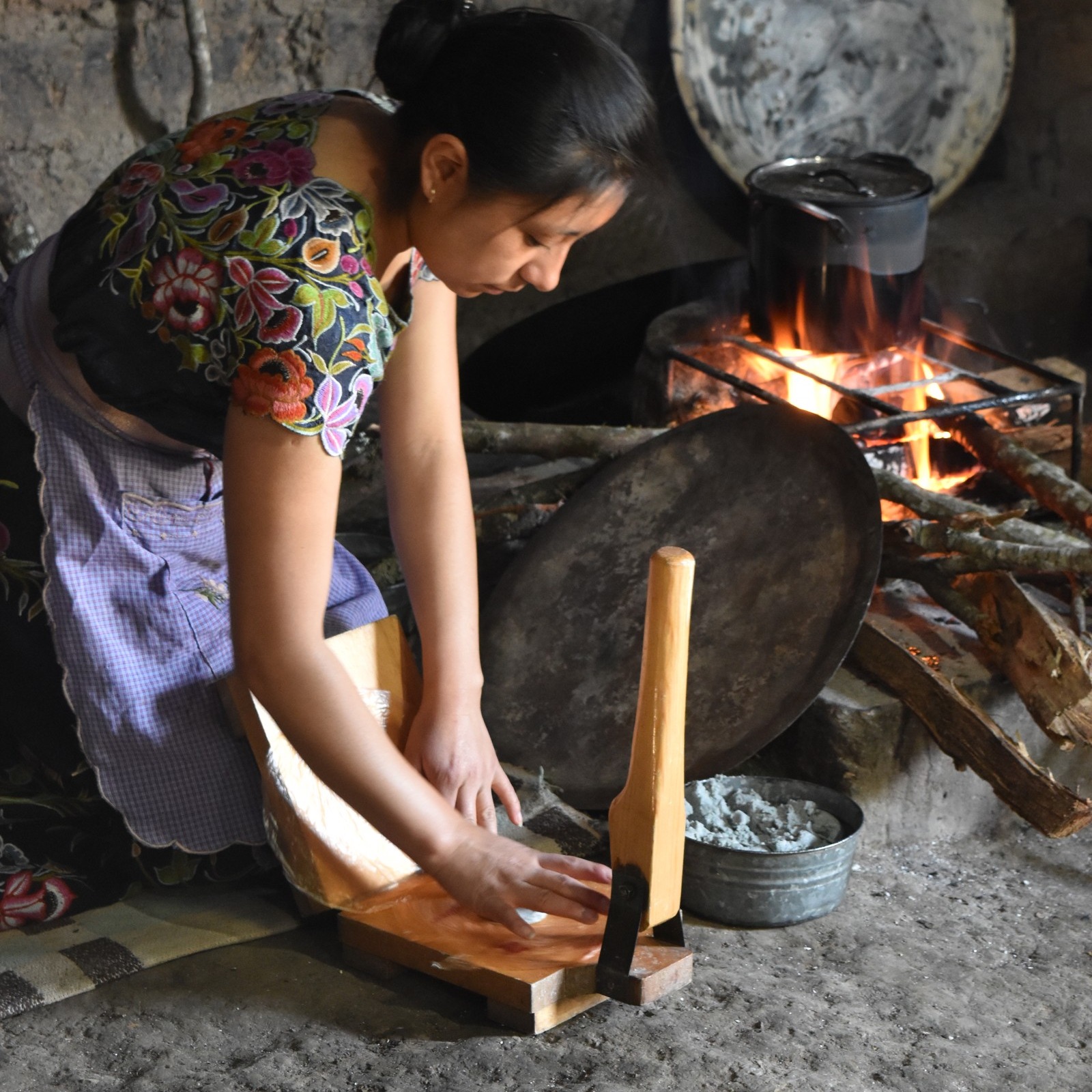
Perhaps its most familiar expression is the tortilla.
At first glance, the tortilla appears remarkably simple.
Corn dough is shaped into a thin round and cooked on a hot surface.
Yet the processes behind it reflect generations of culinary knowledge.
Traditional preparation frequently involves nixtamalization, in which dried maize is cooked and soaked in an alkaline solution, commonly made using calcium hydroxide.
The process changes the grain's characteristics, improves its suitability for making dough and increases the availability of certain nutrients.
The treated maize can then be ground into masa, the dough used to prepare tortillas and numerous other foods.
These techniques developed long before modern food science could explain their effects.
They represent a sophisticated understanding of ingredients established through practical experience.
But the cultural importance of maize cannot be separated from the communities that have preserved those traditions.
In 2010, UNESCO recognised traditional Mexican cuisine as part of humanity's intangible cultural heritage, using the Michoacán culinary tradition as a representative example.
The recognition was not simply an endorsement of individual dishes.
It acknowledged an entire cultural system involving farming, preparation, community participation and shared knowledge.
From planting maize to preparing tortillas, the different stages contribute to a living culinary tradition.
And although Mexican cuisine continues to evolve, the importance of these foundations remains unmistakable.
Korea: Cooking Together for Winter
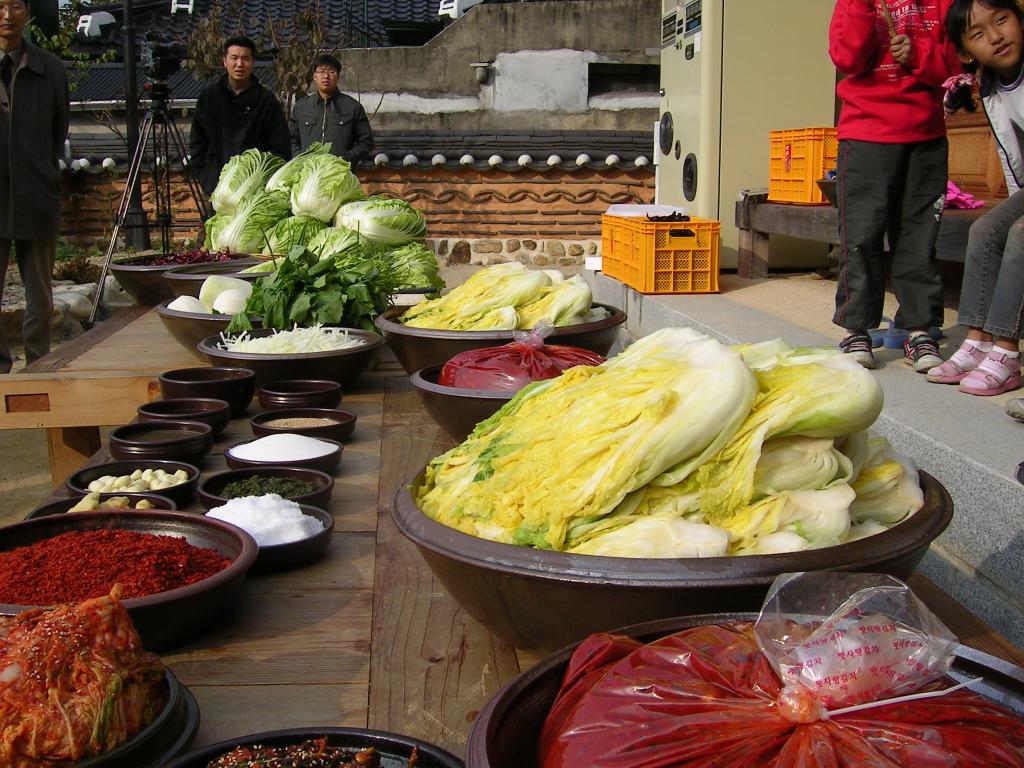
In South Korea, the tradition of kimjang demonstrates how food preparation can become an expression of collective identity.
Kimchi, made from fermented vegetables seasoned with various ingredients, is an essential part of Korean cuisine.
Its preparation takes many forms, reflecting regional preferences, family traditions and the availability of ingredients.
Kimjang refers specifically to the seasonal practice of preparing and sharing substantial quantities of kimchi, traditionally in anticipation of winter.
The process requires considerable work.
Vegetables must be prepared and salted. Seasonings are mixed. Ingredients are combined and stored for fermentation.
Historically, families, neighbours and relatives often worked together to complete these tasks.
The activity created an opportunity for cooperation and the exchange of knowledge.
Older generations could demonstrate techniques to younger family members.
Neighbours could help one another prepare enough food for the colder months.
Recipes and methods could be adjusted according to experience and local preferences.
The importance of kimjang therefore extended beyond the food itself.
It represented a way of organising community life around a shared practical responsibility.
In 2013, UNESCO recognised kimjang as intangible cultural heritage.
The designation highlighted its role in strengthening family relationships, cooperation and cultural identity.
Today, changing lifestyles, industrial food production and the availability of commercially prepared kimchi have altered how some households participate in the tradition.
Yet kimjang continues through family gatherings, community events and efforts to pass culinary knowledge to new generations.
Its survival demonstrates something important.
A food tradition does not necessarily require every participant to follow an identical process.
Its cultural value can also lie in the relationships created through preparing and sharing it.
Naples: When Cooking Becomes Craft
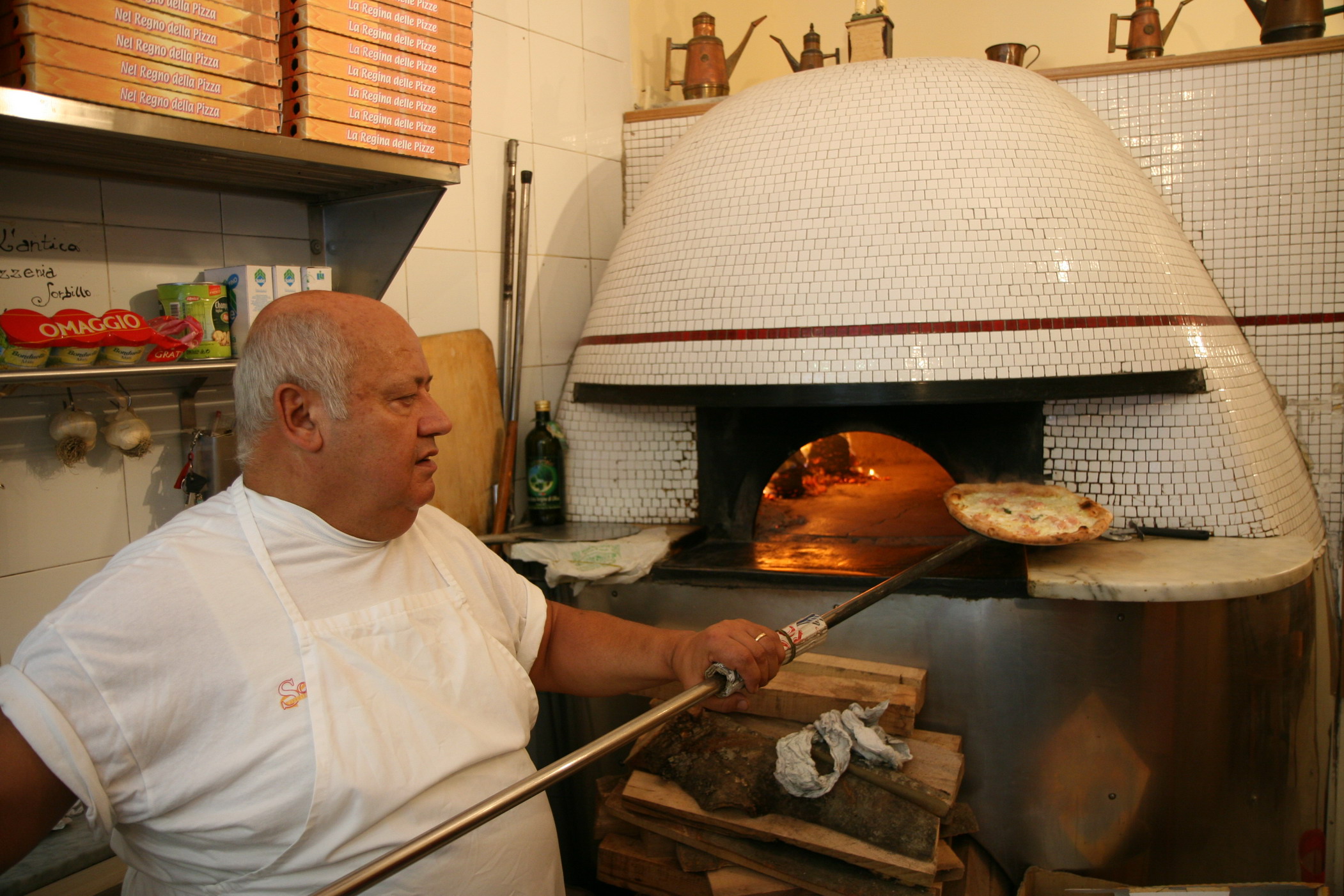
In Naples, one of the world's most recognisable foods offers another perspective on culinary heritage.
Pizza is now consumed across almost every continent.
Its varieties are practically endless, ranging from traditional preparations to interpretations developed for entirely different culinary preferences.
Yet the craft associated with Neapolitan pizza has a distinct history and identity.
The pizzaiuolo, the person who prepares and bakes the pizza, works with a combination of practical knowledge and physical skill.
Dough is mixed, rested, divided and shaped.
Ingredients are arranged.
The pizza is transferred into an intensely heated oven, where timing and movement influence the final result.
To somebody unfamiliar with the process, these actions may appear straightforward.
But the ability to perform them consistently requires experience.
Small variations in temperature, hydration, fermentation and handling can change the characteristics of the finished pizza.
An experienced pizzaiuolo develops an understanding of these relationships through repeated practice.
The work also has a public dimension.
In many traditional pizzerias, customers can observe the preparation process.
Dough is shaped by hand. Pizzas are moved around the oven. The rhythm of cooking becomes part of the atmosphere of the establishment.
In 2017, UNESCO recognised the art of the Neapolitan pizzaiuolo as intangible cultural heritage.
The recognition celebrated not merely the finished food, but the knowledge, techniques and social customs associated with its preparation.
This distinction is important.
Pizza may be a globally familiar product, but the traditional craft of preparing it represents a particular cultural practice.
Its value lies partly in the skills passed between generations.
The food can be reproduced elsewhere.
The history and cultural context from which it emerged cannot be transferred quite so easily.
Recipes That Travel
Food traditions rarely remain confined to the places where they originated.
Migration has carried recipes, ingredients and cooking techniques across the world for centuries.
People moving to new countries often bring familiar culinary practices with them.
Those practices can help maintain connections with home while providing opportunities to establish new communities.
A family may continue preparing dishes associated with its country of origin, even when certain ingredients are difficult to obtain.
Substitutions become necessary.
New influences enter the kitchen.
Over time, recipes begin to change.
The resulting dishes may no longer resemble their original versions exactly.
But that does not necessarily make them less culturally significant.
They represent another stage in the tradition's development.
Italian migration helped establish pizza as a familiar food far beyond Italy.
Different communities subsequently adapted its ingredients, preparation methods and presentation.
Today, a pizza in New York can reflect a culinary history different from that of a traditional Neapolitan pizzeria.
Both belong to broader stories of migration, adaptation and changing cultural preferences.
Similar developments can be found throughout global cuisine.
Food traditions from South Asia, East Asia, the Caribbean, the Middle East and countless other regions have travelled with migrants and developed new identities in different countries.
These changes demonstrate that culture is not something preserved only by remaining unchanged.
It also develops through encounters with unfamiliar environments.
A recipe can maintain a connection with the past while becoming part of a new cultural experience.
The Question of Authenticity
Few words appear more frequently in discussions about food than authentic.
Restaurants promise authentic cooking.
Travellers search for authentic local experiences.
Food enthusiasts debate which ingredients, methods and presentations should be considered traditional.
The desire to understand a cuisine's origins is understandable.
Traditional methods can represent valuable knowledge, and preserving them helps maintain links with cultural history.
But authenticity becomes more complicated when treated as a fixed set of rules.
Recipes have changed throughout history.
Ingredients have moved between continents.
Cultural exchange has transformed countless dishes now considered essential parts of national cuisines.
Even within the same region, families may prepare a familiar dish in different ways.
One household uses a particular ingredient.
Another prefers a different cooking technique.
A third follows a recipe adapted by a previous generation.
Which version should be considered authentic?
The answer may depend on what authenticity is intended to describe.
A traditional cooking method can be documented and preserved.
A regional dish may have recognisable characteristics.
But the broader cultural life of food is rarely static.
Traditions survive partly because people continue to make them meaningful.
That sometimes requires adaptation.
A useful understanding of authenticity therefore recognises both continuity and change.
Respecting a culinary tradition does not necessarily mean insisting that it can never evolve.
It means understanding its origins, acknowledging the communities that developed it and recognising the knowledge that gives it significance.
The Knowledge That Rarely Gets Written Down
Many important culinary traditions were preserved long before cookbooks became widely available.
Knowledge passed from one person to another through observation and practice.
A child watched a parent prepare dough.
A grandmother demonstrated how to recognise the correct consistency of a mixture.
A family member learned to judge cooking time through appearance, smell or experience.
Instructions were not always expressed through precise measurements.
A little more flour.
Enough water to reach the right texture.
Cook until the colour changes.
These descriptions may seem imprecise, but they reflect a form of knowledge developed through repeated physical experience.
Much of cooking depends on observation.
A written recipe can explain the sequence of actions, but it cannot always communicate exactly how a dough should feel or when a particular stage has been reached.
Those judgements develop through practice.
This is one reason family recipes can be difficult to reproduce perfectly.
The ingredients may be known.
The instructions may have been recorded.
Yet something about the finished dish remains different.
Sometimes the explanation lies in an overlooked technique.
Elsewhere, it may reflect the ingredients, equipment or conditions in which the original food was prepared.
And sometimes, the difference is emotional rather than culinary.
Food prepared by somebody we love carries associations that cannot be recreated through a recipe alone.
The memory forms part of the experience.
Who Gets Credit for Culinary Culture?
The international popularity of traditional food has created enormous opportunities for chefs, restaurants and food businesses.
Regional cuisines can attract new audiences.
Traditional ingredients become more widely available.
Culinary skills receive recognition beyond the communities in which they developed.
But this popularity can also create difficult questions about cultural ownership and recognition.
The history of food is filled with knowledge developed within households, agricultural communities and informal kitchens.
Much of this work has traditionally been performed by women, whose contributions have not always received the public recognition given to professional chefs.
A celebrated restaurant may build its identity around recipes preserved through generations of domestic cooking.
A contemporary chef may reinterpret a traditional dish using methods established long before their own career began.
Innovation can be valuable.
But so is acknowledging the people and communities whose knowledge made that innovation possible.
UNESCO's recognition of traditional Mexican cuisine, for example, explicitly acknowledges the work of community cooks and the wider agricultural and culinary practices supporting the tradition.
The cultural significance exists throughout the process.
It is present in growing ingredients, preparing food, teaching techniques and maintaining the customs surrounding meals.
Recognising culinary heritage therefore requires looking beyond the finished plate.
It means understanding the collective knowledge from which that food emerged.
Food in an Age of Constant Discovery
Digital culture has transformed how people encounter food.
A recipe developed within one community can now reach millions of viewers through a short video.
Home cooks can share techniques with international audiences.
Previously unfamiliar ingredients can become widely recognised in a matter of weeks.
These developments offer extraordinary opportunities for cultural exchange.
They allow people to discover food traditions that might once have remained inaccessible.
But they also encourage a particular way of presenting cuisine.
Visual impact becomes important.
Unusual ingredients, dramatic preparation methods and elaborate presentation can attract attention more easily than quieter aspects of traditional cooking.
A dish may become popular because of how it looks on a screen rather than the cultural meaning behind it.
Sometimes, its history disappears entirely from the conversation.
The challenge is not that food traditions should remain hidden or protected from outside interest.
Cultural exchange has always been part of culinary development.
Rather, the challenge is to encourage curiosity that extends beyond the image.
Where did the dish originate?
Who developed the techniques?
What role does it play within the communities that prepare it?
Understanding these questions can make an unfamiliar meal considerably more interesting.
The experience becomes about more than trying something new.
It becomes an opportunity to discover another part of the world.
What We Carry Forward
Food traditions are constantly changing.
Ingredients become more accessible. Technologies alter how meals are prepared. Families move between countries, bringing their culinary histories into unfamiliar environments.
Some recipes disappear.
Others develop new forms.
And certain dishes continue to connect generations long after the circumstances of their creation have changed.
The tortilla represents more than an everyday food within Mexico's diverse culinary traditions.
Kimjang demonstrates how preparing food can strengthen cooperation and shared identity.
The craft of the Neapolitan pizzaiuolo reveals the importance of practical knowledge developed through generations.
These examples differ considerably.
Yet they share a common quality.
Their cultural significance cannot be explained solely through flavour.
They reflect relationships between people, places, history and the knowledge that communities choose to preserve.
That same significance can exist within ordinary family kitchens.
A dish prepared for a celebration.
A familiar meal cooked after returning home.
A recipe remembered because somebody once took the time to teach it.
These moments rarely receive the recognition given to celebrated restaurants or internationally famous dishes.
But they are part of the same cultural process.
Traditions remain alive because people continue to practise them.
And perhaps that is what makes food such a powerful expression of identity.
It is not preserved only in books, museums or historical records.
It is recreated in kitchens, shared around tables and carried into the future through ordinary acts of preparation.
Every generation adds something.
Every community brings its own experience.
And every familiar recipe has the possibility of becoming part of another story.
What we eat may sustain us.
But the stories behind it help explain who we are.
Further Reading

The Places That Bring Us Together
Cafés, libraries and everyday gathering places rarely appear in guidebooks, yet they sustain community, belonging and cultural identity.
By Culturefold Editors

The Art of Seeing Differently
A closer look at how creativity changes our understanding of familiar places, everyday objects and the world we inhabit.
By Culturefold Editors