
The Shape of Fashion
From the tailored elegance of the 1940s to oversized contemporary silhouettes, why the proportions of our clothing reveal more than we might realise.
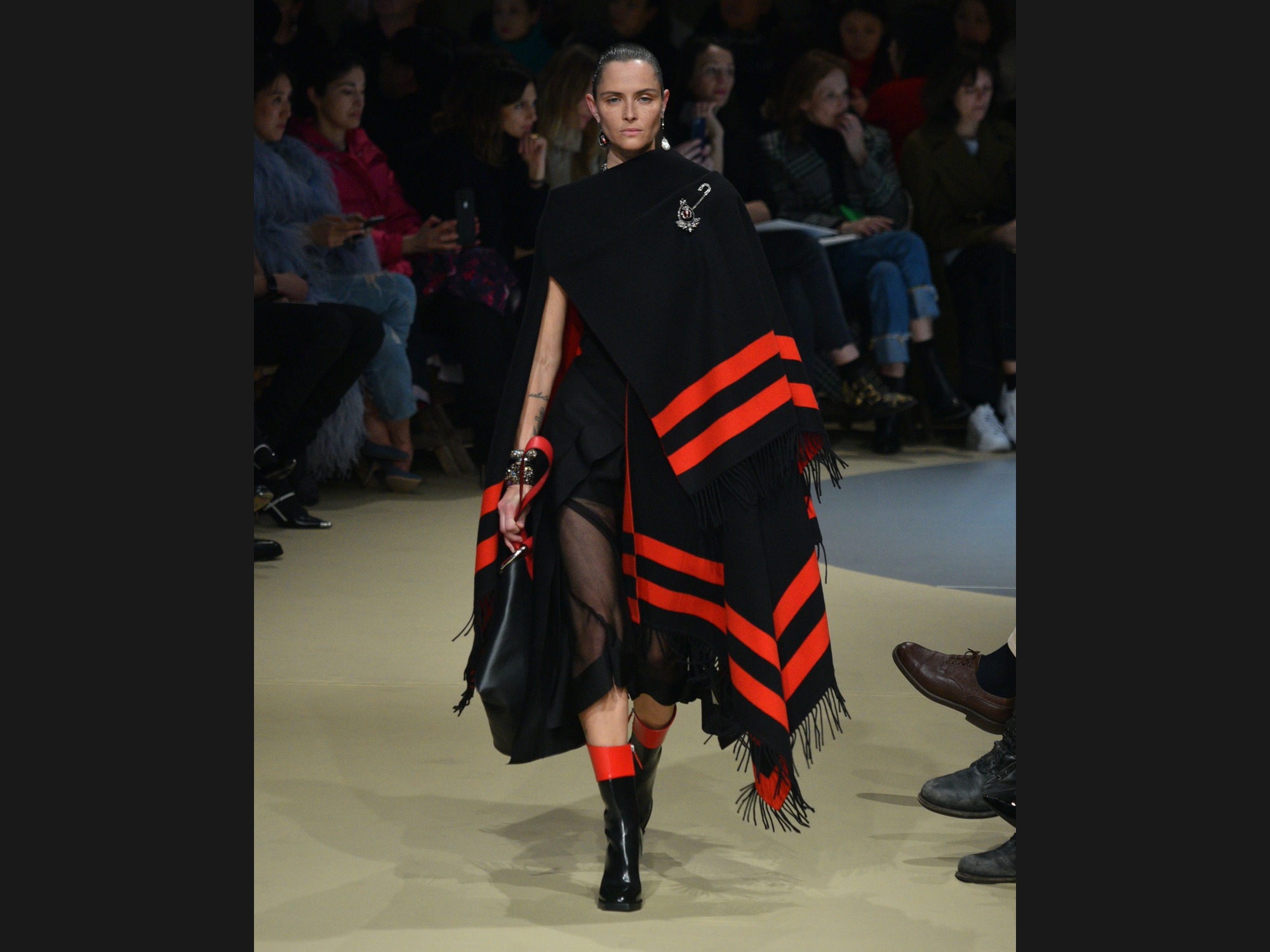
Before we notice the colour of a garment, its fabric or the name on its label, we often recognise something more fundamental.
Its shape.
The sharp shoulders of a tailored jacket. The exaggerated width of a pair of trousers. The narrow waist of a structured dress. The relaxed outline of an oversized coat.
These details create what fashion designers call the silhouette: the overall shape that clothing produces around the body.
It is one of the most powerful elements of fashion, capable of defining an era, communicating social attitudes and changing the way an individual appears.
Yet silhouettes are rarely accidental.
They emerge from changing cultural expectations, advances in textile production, social movements and the creative decisions of designers.
A silhouette that appears entirely contemporary today may have been considered radical several decades ago.
Others have returned repeatedly, their proportions reinterpreted by successive generations.
To understand the evolution of fashion, it is worth looking beyond individual garments.
Sometimes, the most revealing story is found in their outline.
When Fashion Changed Its Shape
At the beginning of the twentieth century, fashionable women's clothing in Europe and North America often emphasised a carefully constructed figure.
Corsetry, structured undergarments and elaborate tailoring helped create silhouettes shaped by the aesthetic expectations of the period.
The body was not simply dressed.
Its visible proportions were deliberately altered through clothing.
But as the century progressed, these conventions began to change.
By the 1920s, fashionable dress had developed a noticeably different character.
The narrow waists and elaborate structures associated with earlier decades gave way, in many fashionable circles, to straighter silhouettes, dropped waistlines and garments designed to allow greater freedom of movement.
Dresses often followed a relatively loose outline, creating a contrast with the more tightly shaped clothing of previous generations.
These developments reflected wider cultural changes.
Women's participation in public life was evolving, social customs were shifting and new forms of entertainment encouraged different approaches to dressing.
Fashion did not change uniformly, and not everybody adopted the same styles.
Nevertheless, the changing silhouette became one of the period's most recognisable visual characteristics.
It demonstrated that the proportions of clothing could communicate something beyond personal taste.
They could reflect the changing expectations of society itself.
Dior and the Return of Structure
One of fashion history's most influential changes in silhouette arrived in Paris in 1947.
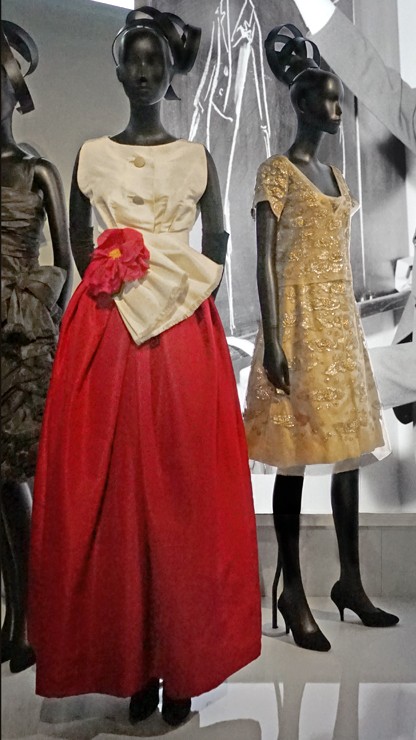
Christian Dior presented his first collection, introducing a dramatic contrast with the practical, fabric-conscious clothing associated with the preceding war years.
The collection became known as the New Look.
Its defining features included rounded shoulders, narrow waists, emphasised hips and full skirts that required generous quantities of fabric.
The celebrated Bar suit captured the approach particularly clearly.
Its carefully fitted jacket created a sculpted waist, while the skirt extended into a fuller, more expansive shape.
The overall effect was unmistakable.
The clothing did not merely follow the body.
It created a deliberate architectural form around it.
Dior's collection attracted enormous attention because it represented such a visible departure from the styles that had dominated during wartime shortages.
For some observers, the renewed emphasis on elegance and elaborate construction represented optimism and a return to luxury.
For others, the substantial use of fabric and restrictive proportions seemed disconnected from the practical realities of everyday life.
This tension revealed something important about fashion.
A silhouette is never simply a neutral arrangement of fabric.
It can become a statement about the social values, economic circumstances and expectations of its time.
Dior's New Look was influential not only because of its beauty or craftsmanship.
It demonstrated how dramatically the outline of clothing could redefine an entire period's visual identity.
The Power of the Shoulder
By the 1980s, another distinctive silhouette had become closely associated with changing ideas about identity and authority.
The broad-shouldered jacket.
Structured tailoring and shoulder padding were hardly new inventions. Designers had experimented with pronounced shoulder lines during earlier decades.
But in the 1980s, exaggerated shoulders became particularly prominent in women's professional clothing and designer fashion.
The silhouette was frequently associated with the idea of power dressing.
As more women pursued careers in traditionally male-dominated professional environments, tailored clothing became one way of communicating authority and confidence.
Designers such as Giorgio Armani and Thierry Mugler contributed to the broader visual language of the decade through their different approaches to tailoring and proportion.
Jackets became more substantial.
Shoulder lines expanded.
The relationship between the upper body and waist was deliberately emphasised.
The resulting silhouette could make the wearer appear more imposing, even when the underlying body had not changed.
Of course, clothing alone could not resolve the social inequalities that women continued to encounter in professional life.
Nor did everybody interpret power dressing in the same way.
But the popularity of the broad-shouldered suit demonstrated how fashion could participate in cultural conversations about gender, authority and social expectations.
A relatively simple adjustment to the outline of a jacket could fundamentally change the impression it created.
The shoulder became more than a construction detail.
It became a visual statement.
The Rise of the Oversized Silhouette
Contemporary fashion offers another interesting relationship between clothing and the body.
Oversized garments have become familiar across luxury fashion, streetwear and everyday wardrobes.
Wide trousers, dropped shoulders, generous coats and relaxed tailoring create silhouettes that deliberately move away from close-fitting construction.
The appeal is not entirely new.
Loose, expansive clothing has appeared throughout fashion history, often influenced by traditional dress, workwear, sportswear and avant-garde design.
During the 1980s, Japanese designers including Yohji Yamamoto and Rei Kawakubo challenged established Western fashion conventions through unconventional proportions, asymmetry and clothing that did not always emphasise familiar bodily contours.
Their work encouraged different ways of thinking about the relationship between fabric and the human form.
In contemporary fashion, oversized clothing can communicate ease, individuality or an interest in proportion itself.
A generously cut jacket may feel less formal than a sharply fitted equivalent.
Wide trousers can create a sense of movement that narrower styles do not.
A long coat with dropped shoulders can produce an almost sculptural outline.
Yet oversized clothing is not necessarily simpler to design.
Creating a convincing relaxed silhouette requires careful decisions about fabric weight, shoulder placement, garment length and construction.
A jacket that is merely too large may appear poorly fitted.
A jacket deliberately designed with generous proportions can create a coherent shape.
The difference lies in intention.
Proportion Changes Everything
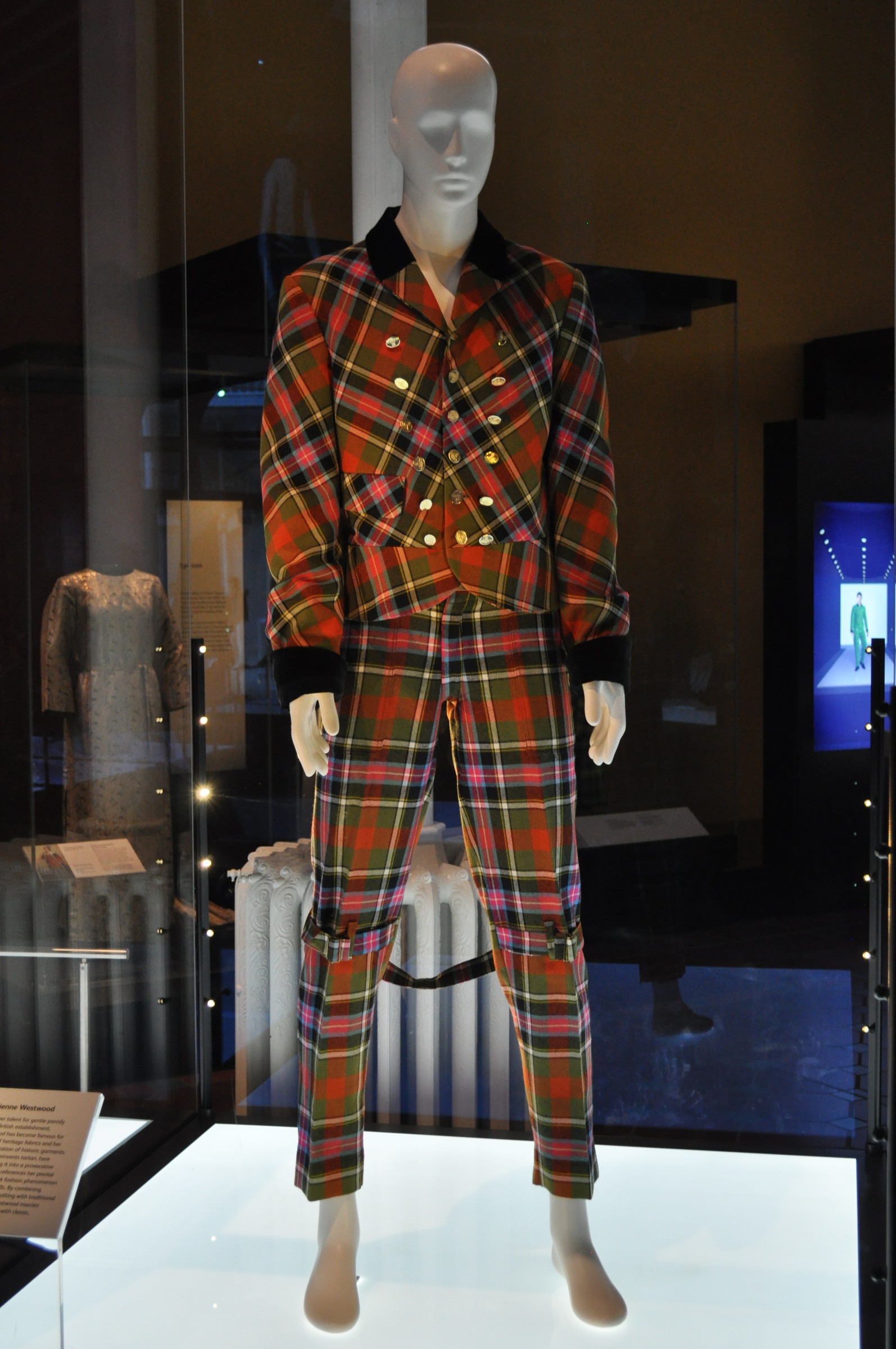
One of the most interesting aspects of silhouette is how dramatically it can change without introducing new colours, patterns or materials.
Consider two outfits made entirely from black clothing.
The first consists of a closely fitted jacket and slim trousers.
The second combines an oversized coat with wide-leg trousers and a relaxed shirt.
The colour is identical.
Yet the overall impression is completely different.
One silhouette may feel precise and formal.
The other may appear expressive, relaxed or architectural.
The distinction comes primarily from proportion.
The relationship between shoulder width, waist placement, garment length and volume influences how clothing is perceived.
Small changes can have surprisingly significant effects.
A slightly longer jacket alters the balance between the upper and lower body.
A higher trouser waist changes the apparent proportions of the legs.
A wider sleeve influences the relationship between the arms and torso.
These choices explain why two garments made from similar materials can produce entirely different visual results.
They also demonstrate why good clothing design involves far more than selecting an attractive fabric.
A designer must consider how the garment behaves when worn.
Its shape changes as the person moves, sits, walks and interacts with the environment.
The silhouette is never entirely static.
It exists through the relationship between fabric, construction and the body beneath it.
Fashion and the Body
Throughout history, fashionable silhouettes have also influenced ideas about the ideal body.
Certain periods celebrated narrow waists.
Others emphasised broad shoulders, elongated figures or particular relationships between hips, chest and legs.
Clothing has frequently been used to create or exaggerate these proportions.
But the relationship between fashion and the body can be complicated.
When a narrow range of silhouettes dominates popular culture, people whose bodies do not correspond to those proportions may find themselves excluded from fashionable clothing.
A garment that looks striking on a runway model may behave very differently on somebody with another body shape.
This is not necessarily a flaw in either the garment or the wearer.
It reflects the importance of designing for different physical proportions and individual preferences.
A more inclusive approach recognises that there is no single ideal silhouette suitable for everybody.
Clothing can be structured, loose, fitted, flowing or deliberately unconventional.
Its success should not depend entirely on reproducing a narrow image of how the body ought to look.
Fashion becomes more interesting when people have freedom to choose the shapes that feel appropriate to their own lives.
Personal style emerges through that interpretation.
The same garment can communicate confidence, restraint or experimentation depending on who wears it and how it is combined with other pieces.
Why Fashion Keeps Changing Shape
Looking across different decades, fashion can appear to move through recurring cycles.
Wide trousers become narrow.
Shoulders expand before returning to softer lines.
Waists rise and fall.
Coats alternate between fitted constructions and generous, flowing forms.
These changes are often described as evidence that fashion simply repeats itself.
There is some truth in the observation.
Designers frequently revisit historical garments and reinterpret familiar silhouettes.
But a returning shape does not necessarily carry the same meaning it had originally.
The broad shoulders associated with 1980s professional fashion may communicate something different when adopted in contemporary streetwear.
Wide trousers inspired by earlier decades can acquire new associations through music, technology and youth culture.
Even when the outline resembles a previous style, the cultural context has changed.
Materials and manufacturing techniques also evolve.
A contemporary oversized coat may use fabrics with very different properties from those available to designers several generations ago.
The resulting garment can move, drape and feel different despite sharing a recognisable silhouette.
Fashion history is therefore not simply a sequence of styles disappearing and returning.
It is a continuing process of reinterpretation.
Familiar forms acquire new meanings as the world around them changes.
Finding Your Own Shape
There is another reason silhouette matters.
It provides a way to develop personal style without constantly changing an entire wardrobe.
Understanding which proportions feel comfortable, functional and visually appealing can make clothing choices more considered.
Some people prefer sharp tailoring and clearly defined lines.
Others feel more comfortable in relaxed garments that move freely around the body.
Many combine both approaches.
A structured coat can be worn over loose trousers.
A relaxed shirt can be balanced with tailored clothing.
A familiar outfit can be transformed simply by changing the length or volume of one element.
There is no universal formula.
The proportions that work well for one person may feel uncomfortable or impractical for another.
Climate, lifestyle, physical movement and individual preferences all influence the choices people make.
What matters is recognising that the shape of clothing can be just as expressive as colour, pattern or branding.
It allows an individual to communicate a visual identity without necessarily relying on conspicuous details.
And unlike a rapidly changing fashion trend, an understanding of personal proportion can remain useful for years.
The Outline of an Era
Looking back through fashion history, entire decades can sometimes be recognised through little more than the outlines of their clothing.
The straighter dresses of the 1920s.
Dior's carefully constructed post-war waistlines.
The pronounced shoulders of the 1980s.
The relaxed and oversized proportions familiar in contemporary fashion.
Each silhouette reflects a different relationship between clothing, the body and the wider culture.
But none exists entirely in isolation.
Designers respond to the past. Individuals reinterpret existing garments. Social changes influence what people consider appropriate, attractive or desirable.
The shape of fashion continues to evolve through these relationships.
And while colours, fabrics and labels may attract the most immediate attention, silhouette remains one of the most fundamental decisions in clothing design.
It determines how fabric occupies space.
How a garment moves.
How the body is presented.
And how the wearer wishes to be seen.
Perhaps this is why a distinctive silhouette can remain memorable long after the details of an outfit have been forgotten.
We may not remember the exact material, the designer or the season in which a garment appeared.
But we remember its shape.
And sometimes, that shape tells us almost everything about the moment in which it was created.
Further Reading
From Function to Fashion
Jeans, trench coats, T-shirts and trainers began as practical clothing. How did they become the enduring icons of how we dress?
By Culturefold Editors

The Art of Seeing Differently
A closer look at how creativity changes our understanding of familiar places, everyday objects and the world we inhabit.
By Culturefold Editors