
The Rooms Where Art Begins
From Francis Bacon’s chaotic London workspace to the carefully arranged sculptures of Constantin Brancusi, exploring the remarkable places where artists create their work.
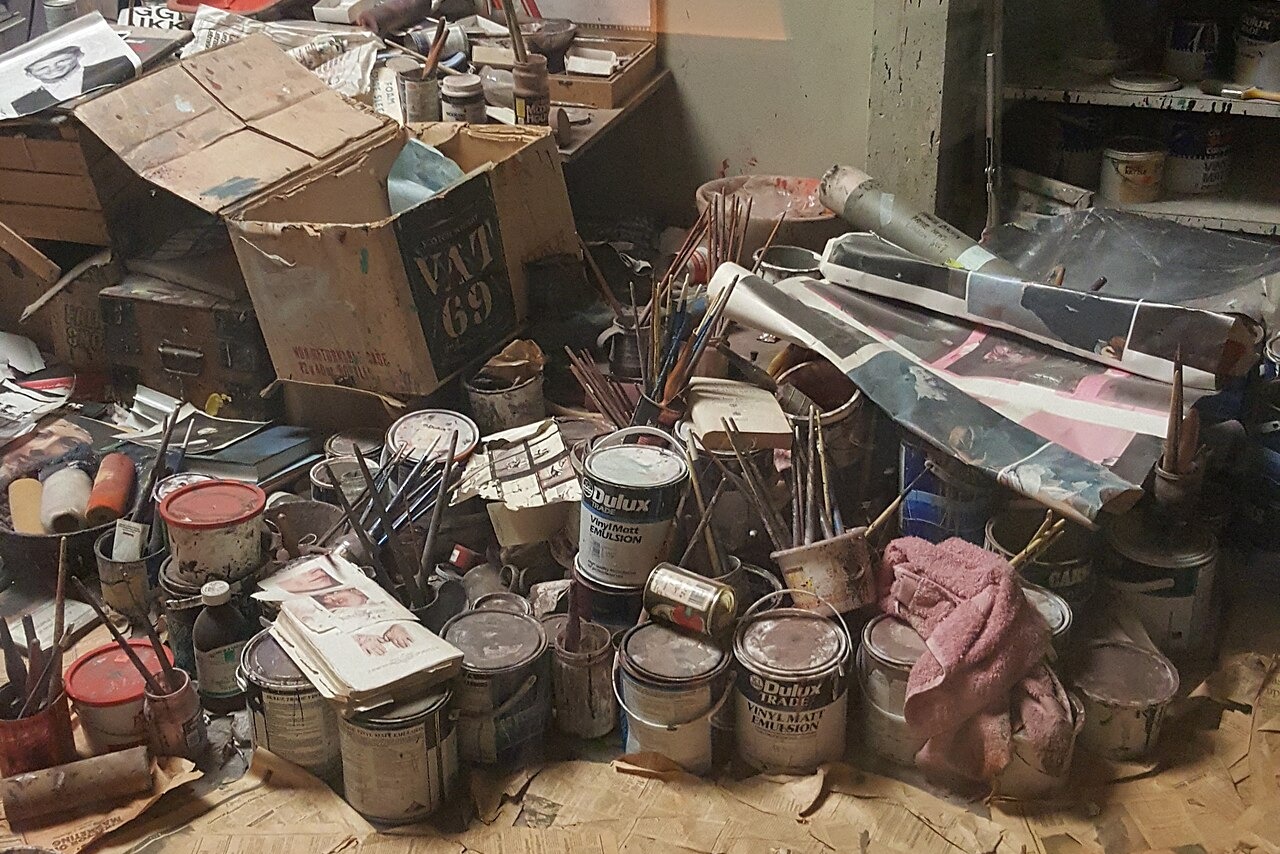
A paintbrush rests beside an unfinished canvas. Photographs are scattered across a table. A chair sits beneath a window, surrounded by objects collected over many years.
At first glance, there may be nothing particularly extraordinary about the room.
Yet some of the most important works in art history began in spaces just like these.
The artist's studio occupies a curious position within the creative world.
It is where ideas take shape, materials are tested and decisions are made. It is also where mistakes happen, experiments fail and works are sometimes abandoned.
Unlike the finished artworks presented in museums, the studio reveals a more private side of creativity.
Some artists surround themselves with extraordinary disorder. Others arrange their surroundings with almost architectural precision.
For certain artists, the studio is simply a practical place to work.
For others, it becomes an extension of the artwork itself.
And occasionally, the room becomes so closely associated with its creator that preserving it becomes an important cultural responsibility.
Francis Bacon: A World of Beautiful Chaos
Few artists' studios have become as famous as the small London room occupied by Francis Bacon.
Located at 7 Reece Mews in South Kensington, the studio was Bacon's principal working space from 1961 until his death in 1992.
It was extraordinarily cluttered.
Paint tubes, photographs, discarded canvases, books, newspapers and countless other materials accumulated across almost every available surface.
The floor became buried beneath layers of objects.
Paint splattered the walls.
Photographs were folded, torn and marked.
From the outside, it could appear almost impossible to imagine how anybody managed to work within such an environment.
Yet Bacon produced many of his most important paintings there.
His distorted figures, unsettling portraits and emotionally intense compositions emerged from a room that seemed to reflect the restless energy of the work itself.
The disorder was not necessarily evidence of carelessness.
Bacon frequently worked from photographs, reproductions and other visual references.
He manipulated images, altered their appearance and used them as starting points for paintings.
The objects scattered around the studio formed part of this creative process.
They offered possibilities, references and unexpected connections.
What looked like chaos could also function as a highly personal visual archive.
Preserving Every Detail
After Bacon's death, the future of his studio became an unusual conservation challenge.
In 1998, the entire contents of the room were donated to Dublin's Hugh Lane Gallery.
Rather than selecting a handful of important objects, the museum undertook the extraordinary task of preserving the complete environment.
A team of conservators, archaeologists and curators recorded the position of thousands of items.
The walls, floor, doors and ceiling were removed alongside the contents.
More than 7,000 objects were transported from London to Dublin.
These included approximately 1,500 photographs, hundreds of books, numerous discarded canvases and thousands of painting materials and paper fragments.
Even the accumulated dust was considered part of the studio's historical record.
The reconstructed space opened to the public in 2001.
Visitors can now encounter an environment that appears remarkably close to the one Bacon occupied.
But the significance of the project extends beyond the unusual spectacle of a cluttered room.
The archive provides researchers with detailed evidence of Bacon's working methods.
Photographs reveal visual references.
Discarded canvases offer insights into his decisions and experiments.
Objects that might once have seemed worthless have acquired extraordinary historical importance.
The room demonstrates that understanding an artwork sometimes requires looking at the materials and decisions surrounding its creation.
Constantin Brancusi: The Studio as Composition
If Bacon's studio represents disorder and accumulation, Constantin Brancusi's working environment offers a striking contrast.
Born in Romania in 1876, Brancusi established his artistic career in Paris, where he developed a distinctive approach to modern sculpture.
His work explored simplified forms, carefully selected materials and the relationship between objects and the spaces surrounding them.
These concerns extended directly into his studio.
Brancusi arranged sculptures on wooden, stone and plaster bases, creating carefully considered relationships between height, material and proportion.
A polished bronze form might stand beside a rough wooden structure.
A smooth marble sculpture could be positioned above a geometric block.
The spaces between objects became part of the overall composition.
The studio was more than somewhere to store finished work.
It was an environment in which different sculptures could be experienced together.
As Brancusi became increasingly concerned with these arrangements, the position of individual works acquired particular importance.
He sometimes created plaster versions of sculptures to preserve a composition after an original piece had been sold.
The relationship between the works mattered as much as the individual objects.
The studio had effectively become an artwork in its own right.
An Artist's Final Arrangement
Brancusi understood the importance of preserving this environment.
In 1956, he bequeathed the contents of his studio to the French state, on the condition that its arrangement would be reconstructed following his death.
His collection included 137 sculptures, along with bases, drawings, paintings, photographs, furniture and other materials.
The studio was subsequently recreated near the Centre Pompidou in Paris.
In 1997, a reconstruction designed by architect Renzo Piano opened, providing a protected environment in which the relationships between Brancusi's sculptures could be appreciated.
Unlike a conventional sculpture gallery, where individual works might be separated and presented independently, the reconstruction preserved the idea of the artist's carefully organised workspace.
The arrangement reveals something fundamental about Brancusi's practice.
He did not consider sculpture merely as an isolated object.
Its surroundings, support and relationship with neighbouring forms contributed to how it was understood.
The studio therefore provides an unusually direct encounter with his artistic thinking.
It allows visitors and researchers to consider not only what Brancusi made, but how he wanted his work to be seen.
During the Centre Pompidou's current renovation, the original reconstruction has undergone changes, with the institution planning a new research-oriented role for the pavilion.
The preservation of its contents remains an important part of Brancusi's artistic legacy.
Barbara Hepworth: Art and the Landscape
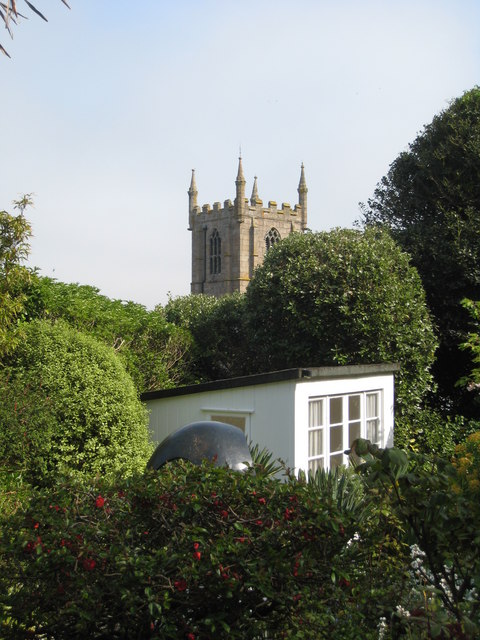
In St Ives, Cornwall, the studio of British sculptor Barbara Hepworth reveals another relationship between art and working environment.
Hepworth moved to Cornwall in 1939 and established her home and workplace at Trewyn Studio in 1949.
She remained there until her death in 1975.
The surrounding landscape became an important source of inspiration.
The rocky coastline, open sea and changing light contributed to an environment closely associated with her artistic development.
But Hepworth's studio was not simply a picturesque setting.
It was a practical working space.
Stone, wood, plaster and bronze formed part of her sculptural practice.
Tools, unfinished pieces and models occupied different areas.
The process of carving required physical effort and close attention to the qualities of the material.
Outside, the garden became an extension of the studio.
Sculptures were positioned among trees, plants and open spaces, allowing visitors to experience them in changing natural light.
The relationship between artwork and landscape became especially important.
A sculpture could appear different according to the direction of sunlight, the surrounding vegetation or the position of the viewer.
Its openings and curved surfaces created constantly changing relationships between solid form and empty space.
In this environment, nature was not merely a backdrop.
It contributed to how the work was experienced.
A Garden That Became a Museum
Following Hepworth's death, her family opened the Barbara Hepworth Museum and Sculpture Garden in 1976.
The site has been owned and managed by Tate since 1980.
Today, it preserves a remarkable connection between the artist's working environment and the sculptures she created.
Visitors can encounter workshops containing tools and materials, alongside works positioned within the garden.
The experience differs from seeing the same sculptures in a conventional museum.
The outdoor setting reveals how surrounding space can influence their character.
A form that appears monumental within a gallery may develop a more intimate relationship with the landscape.
The garden also introduces the passing of time.
Plants grow, weather changes and light moves across the surfaces.
The artwork remains physically present, but the experience is never entirely identical.
Hepworth's studio demonstrates that creative spaces do not always end at the walls of a building.
Sometimes, the surrounding environment becomes an essential part of the artistic process.
Donald Judd: Living With Art
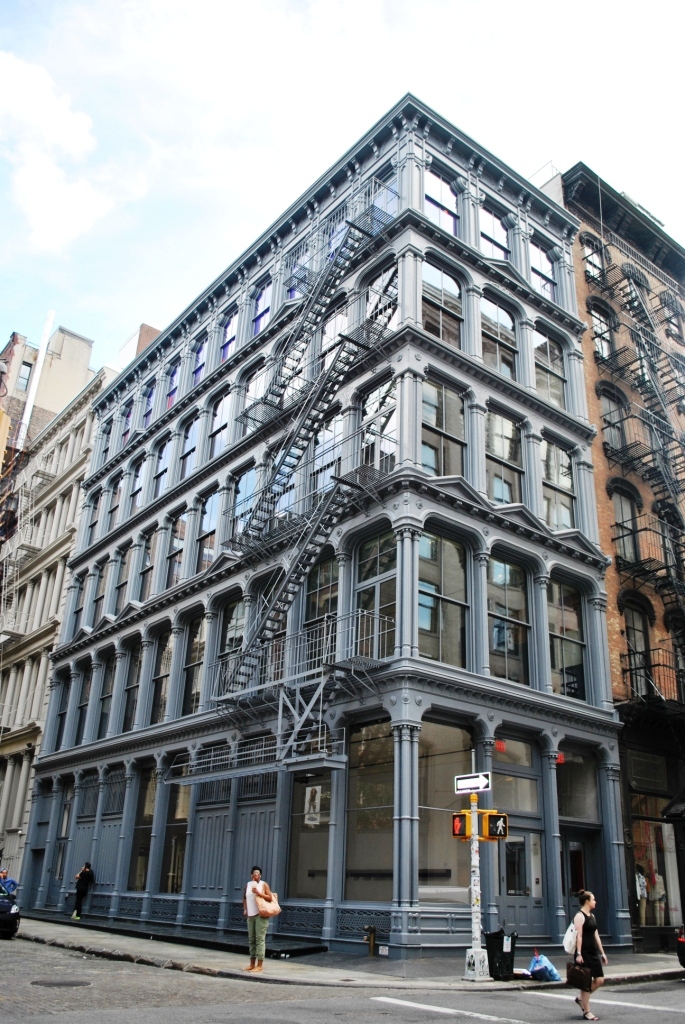
In New York, the former home and studio of Donald Judd offers another distinctive perspective.
In 1968, Judd purchased a five-storey cast-iron building at 101 Spring Street in Manhattan's SoHo district.
The building became his residence and an important environment for developing his ideas about art, architecture and installation.
Judd was interested in the relationship between artworks and the spaces in which they were displayed.
Rather than treating a gallery as a neutral container, he considered the position of an object to be central to its meaning.
At Spring Street, he carefully arranged artworks, furniture and everyday objects within the building's historic interiors.
The result was not a conventional domestic environment decorated with art.
The rooms themselves became carefully considered compositions.
Furniture, architectural details and artworks existed in deliberate relationships.
Judd's approach also challenged the assumption that art should be constantly moved between exhibitions.
He increasingly favoured permanent installations, allowing works to remain within environments specifically selected or adapted for them.
This principle later became particularly important to his projects in Marfa, Texas.
At 101 Spring Street, however, the relationship between art and everyday life was especially direct.
The same building served as a place to live, work and develop artistic ideas.
The distinction between domestic space and artistic environment became difficult to separate.
The Studio as a Personal Portrait
These four studios reveal remarkably different approaches to creative work.
Bacon surrounded himself with an accumulation of visual references and discarded materials.
Brancusi developed carefully organised relationships between sculptural forms.
Hepworth worked within an environment where interior spaces and the surrounding landscape contributed to her practice.
Judd arranged artworks and everyday objects through a deliberate understanding of architecture and proportion.
Their differences suggest that an artist's studio can reveal something about the person who occupies it.
But this idea deserves caution.
A cluttered room does not necessarily produce expressive art.
A minimalist workspace does not guarantee careful thinking.
And the appearance of a studio cannot explain every decision made within it.
The relationship between environment and creativity is rarely straightforward.
What these spaces offer is a glimpse into the conditions surrounding artistic production.
They show how different people organise materials, develop ideas and establish routines that support their work.
The finished artwork provides one form of evidence.
The working environment offers another.
Together, they create a more complete picture.
What Gets Lost When a Studio Disappears?
Most artists' studios are never preserved.
Buildings change ownership.
Rooms are cleared.
Materials are discarded.
A workplace that once held enormous personal significance may eventually become an ordinary apartment, shop or office.
This raises an important question about cultural preservation.
Which creative spaces deserve to survive?
The studios of internationally recognised artists attract considerable attention because of the importance attached to their work.
But countless less celebrated artists have also contributed to the cultural histories of their communities.
Their working environments may reveal stories about local artistic movements, social networks and changing ways of life.
Preserving every studio would be impossible.
But documentation can provide a valuable alternative.
Photographs, interviews, inventories and archival records can preserve information about spaces that may no longer physically exist.
The importance of these records is particularly apparent when considering artists whose work has historically received less institutional recognition.
Understanding art history requires attention not only to celebrated individuals but also to the broader environments in which creativity develops.
Studios are part of that history.
And when they disappear without documentation, something of the creative process disappears with them.
The Myth of the Perfect Creative Space
Contemporary images of artists' studios often present an appealing ideal.
Large windows. White walls. Beautifully arranged tools. Carefully positioned canvases and shelves filled with inspiring objects.
These spaces can be visually attractive.
But they do not necessarily reflect the realities of artistic work.
Many artists operate in small, shared or temporary environments.
Others divide their creative practice between domestic spaces, commercial workshops and specialist facilities.
Access to a dedicated studio can depend heavily on financial circumstances.
Rent, equipment, materials and available space all influence how artists work.
An attractive environment may provide comfort and inspiration, but it is not a prerequisite for meaningful creativity.
Some remarkable work has emerged from modest surroundings.
The romantic image of the artist's studio can sometimes obscure these practical realities.
It is important to remember that creative spaces are workplaces.
They contain unfinished projects, practical problems and ordinary routines.
Not every moment is inspiring.
Not every experiment succeeds.
Sometimes, the most important activity involves simply returning to the same work, day after day.
The Space Between Idea and Artwork
Museums generally present art at the end of a long creative process.
A painting is framed and installed.
A sculpture is placed on a carefully considered base.
The surrounding environment is designed to help visitors concentrate on the finished work.
The studio reveals what happened before that moment.
It contains evidence of uncertainty, experimentation and revision.
A discarded canvas can reveal a decision to begin again.
A collection of photographs may suggest an unexpected source of inspiration.
A carefully arranged group of sculptures can demonstrate how an artist understands the relationship between individual works.
These details help make the artistic process more human.
They remind us that even extraordinary creative achievements begin through practical actions.
Materials are gathered.
Ideas are tested.
Decisions are reconsidered.
Sometimes, an object is moved only a few centimetres.
Sometimes, an entire painting is abandoned.
Eventually, something emerges that the artist considers worth keeping.
The studio is where that transformation takes place.
And perhaps that is why these rooms continue to fascinate us.
They offer access to a part of art that is usually hidden from public view.
Not the finished masterpiece, but the uncertain path towards it.
Where Creativity Lives
Francis Bacon's cluttered London room, Brancusi's carefully arranged Parisian studio, Barbara Hepworth's Cornish garden and Donald Judd's New York interiors could scarcely be more different.
Yet each demonstrates the extraordinary relationship between artists and the spaces they inhabit.
Their studios provided more than shelter or somewhere to store materials.
They became environments shaped by personal habits, artistic priorities and years of repeated work.
Some were carefully controlled.
Others developed through accumulation and improvisation.
In certain cases, the space itself became inseparable from the finished art.
Preserving these environments allows us to encounter another dimension of artistic history.
We can begin to understand the conditions in which familiar works were created.
We can observe the tools, references and materials that contributed to them.
And we can recognise that creativity is not simply an abstract idea.
It takes place somewhere.
In rooms filled with objects, decisions, memories and possibilities.
A museum shows us what an artist created.
A studio offers something different.
It shows us where the work began.
Further Reading
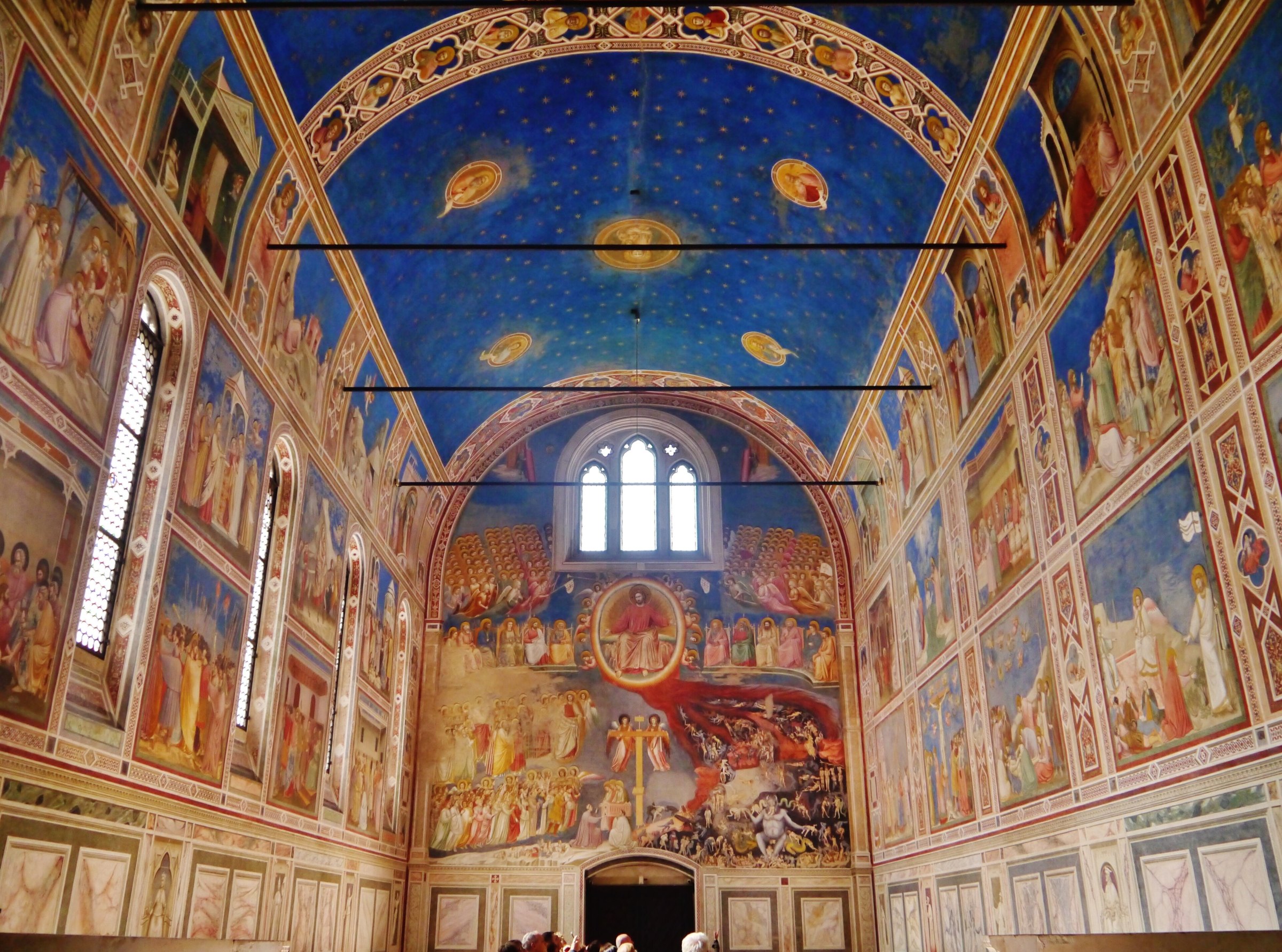
The Colour That Changed Art
From precious pigments and Renaissance masterpieces to Picasso's melancholy paintings and Yves Klein's extraordinary blue canvases, the remarkable story of a colour that has fascinated artists for centuries.
By Culturefold Editors
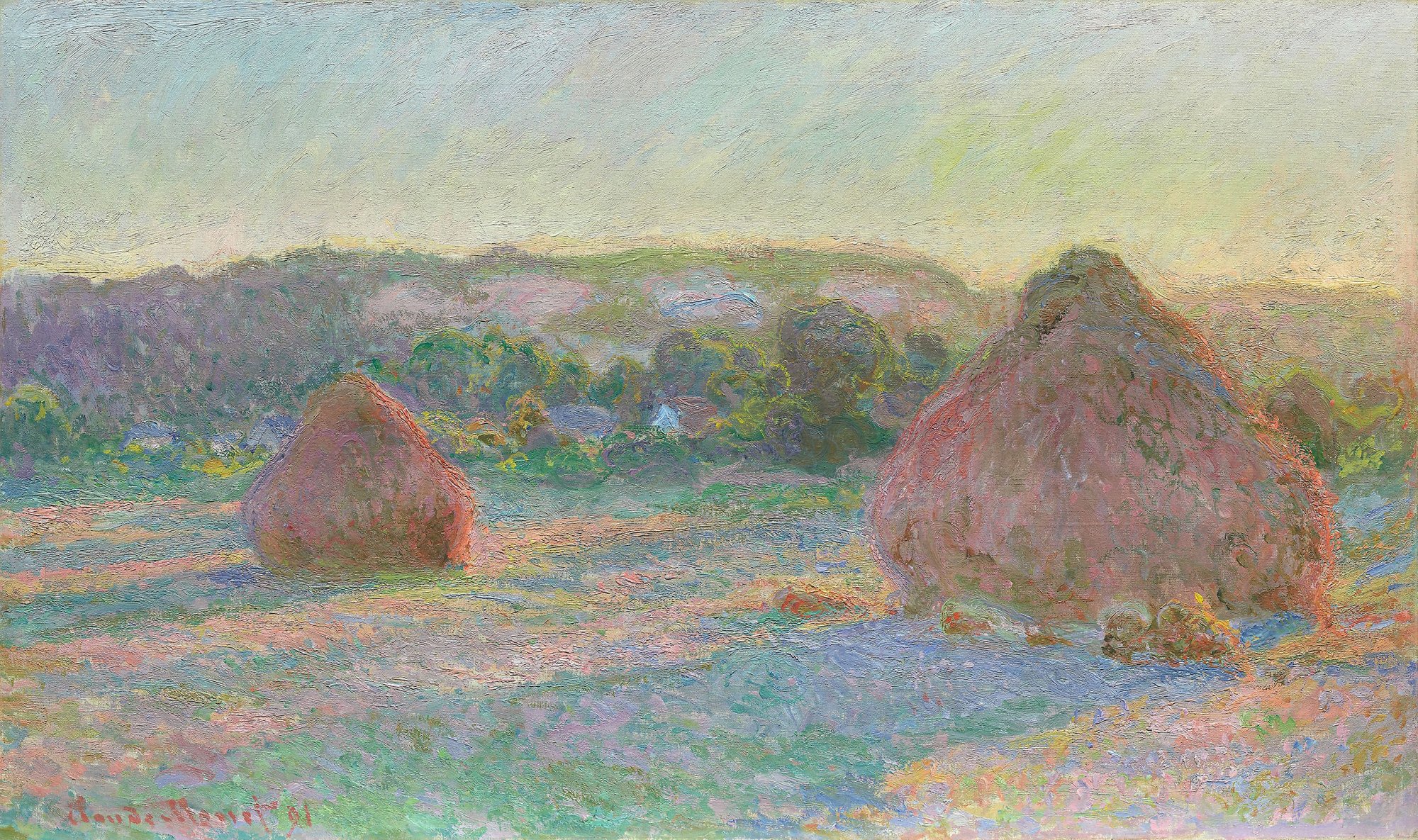
The Art of Repetition
Some of the most influential artists in history returned to the same subject again and again — and found extraordinary possibilities in doing so.
By Culturefold Editors
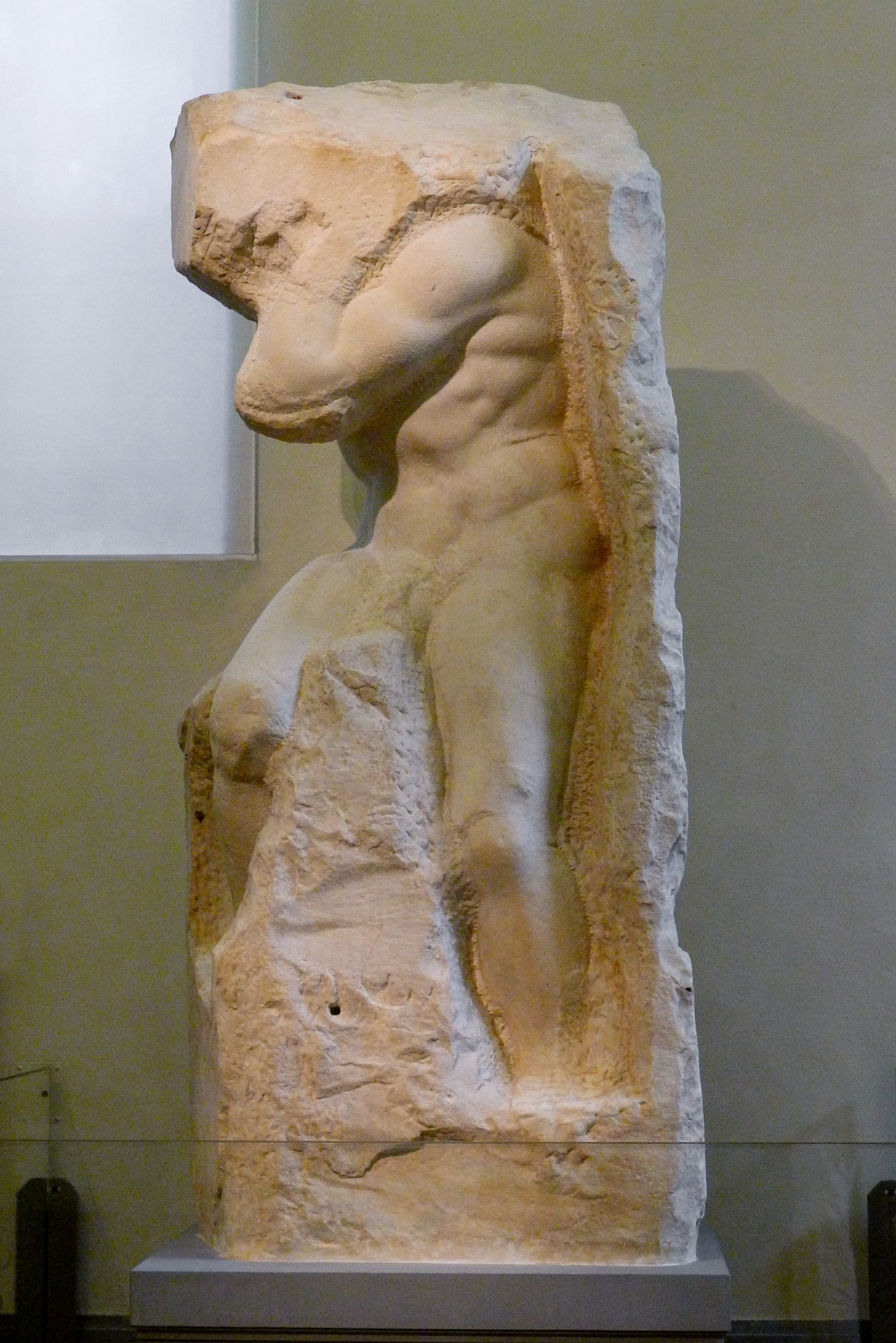
The Beauty of the Unfinished
We tend to think of great art as something complete. Yet throughout art history, some of the most compelling works have remained unfinished — and they often reveal more because of it.
By Culturefold Editors