
More Than Water: The Culture of the Public Bath
From Japanese sentō and Ottoman hammams to Finnish saunas and Icelandic swimming pools, exploring why the simple act of bathing has brought communities together for centuries.
There is something unusual about the idea of bathing with strangers.
In many parts of the modern world, washing is considered an entirely private activity. Bathrooms are designed for individual use, and the routines surrounding them rarely extend beyond the walls of our homes.
Yet throughout history, bathing has often been a shared experience.
People gathered in public bathhouses not simply to wash, but to talk, relax, exchange news and participate in traditions that connected them to their communities.
In some places, the bathhouse became an essential part of everyday social life.
Elsewhere, the experience acquired religious, ceremonial or cultural significance.
The buildings themselves developed distinctive architectural identities, reflecting local materials, climates and attitudes towards public space.
Today, traditional bathing cultures remain an important part of life in several countries.
From the tiled interiors of Japan's neighbourhood bathhouses to the timber-lined saunas of Finland, these spaces demonstrate that activities we now consider private can have remarkably public histories.
And their continued relevance reveals something interesting about our need for places where people can simply spend time together.
Japan: The Neighbourhood Bathhouse
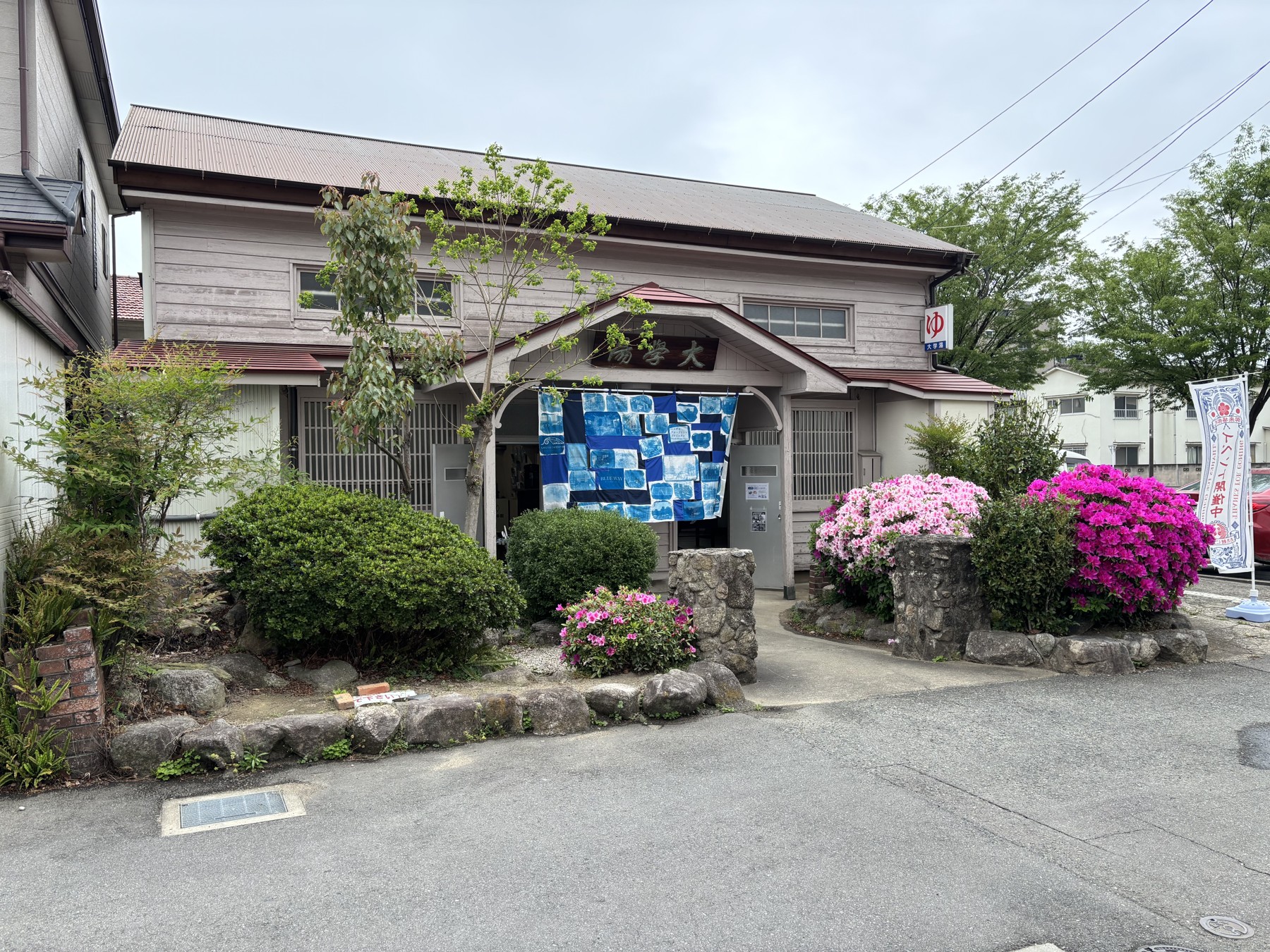
In Japan, the public bathhouse is known as a sentō.
For generations, these establishments were familiar features of urban neighbourhoods, providing facilities for people whose homes did not contain private baths.
Their history is closely connected to the development of Japanese cities.
Public bathing became particularly widespread during the Edo period, when crowded urban environments and concerns about fire made communal facilities an important part of everyday life.
A traditional sentō generally follows a recognisable arrangement.
Visitors enter through a reception area before moving into separate changing spaces.
The bathing area contains washing stations, often equipped with small stools, taps and handheld shower fittings.
Large communal baths occupy another part of the room.
The custom is to wash thoroughly before entering the shared water, which is intended for soaking rather than washing.
The arrangement establishes a clear sequence.
First, the practical activity of becoming clean.
Then, the opportunity to relax.
But the sentō offers more than these functions.
Regular visitors may encounter familiar faces, exchange a few words and develop relationships through repeated visits.
The bathhouse becomes part of the rhythm of neighbourhood life.
The Art on the Bathhouse Wall
Traditional sentō interiors also contain an unexpected artistic tradition.
Large murals, frequently depicting Mount Fuji, have become closely associated with Japanese public bathing culture.
The image may cover an entire wall above the bathing area, transforming a relatively ordinary interior into a representation of the natural landscape.
The contrast can be striking.
Beneath the painting are practical washing stations, tiled floors and communal baths.
Above them rises an imagined mountain landscape.
The artwork provides a sense of openness within an enclosed space.
It also contributes to the visual identity of the bathhouse.
Not every sentō contains a Mount Fuji mural, and decorative traditions vary between establishments.
But the association has become an important part of the cultural image of Japanese public bathing.
As private bathrooms became increasingly common during the twentieth century, the practical necessity of neighbourhood bathhouses declined.
Many closed.
Others adapted by introducing new facilities or attracting younger visitors interested in traditional bathing experiences.
The surviving sentō therefore occupy an unusual position.
They remain places for washing and relaxation, but they also preserve elements of neighbourhood history.
Their significance lies as much in the communities around them as in the water within them.
Istanbul: Beneath the Hammam Dome
In Türkiye, the hammam developed into one of the most recognisable institutions of Ottoman urban life.
Its traditions drew upon earlier Roman and Byzantine bathing practices, adapting them within the social and religious circumstances of the Ottoman world.
Hammams provided facilities for cleansing, but their importance extended considerably further.
They became places for conversation, celebration and social interaction.
The architecture reflected the sequence of the experience.
Visitors generally moved through rooms with different temperatures, beginning in a changing area before entering progressively warmer spaces.
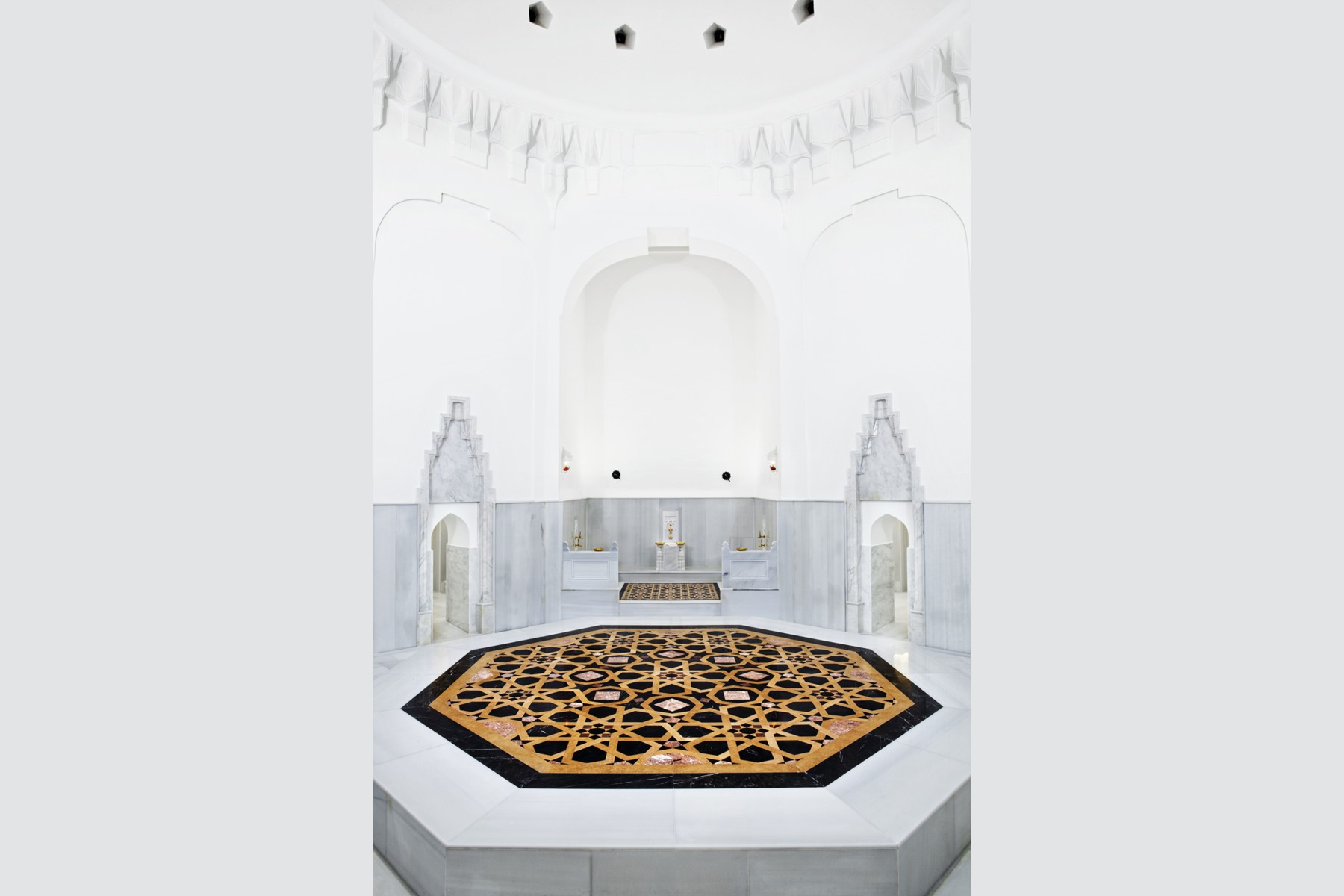
The main bathing room often featured marble surfaces, individual water basins and an elevated heated stone platform.
Domed ceilings allowed light to enter through small openings.
Inside, the atmosphere could be extraordinary.
Sunlight filtered through the roof, illuminating steam and revealing the texture of polished stone.
Warm surfaces, flowing water and carefully controlled light created an environment quite different from an ordinary domestic bathroom.
The hammam was both a practical building and a carefully organised sensory experience.
A Place for Celebration
Within Ottoman society, hammams were also associated with important social occasions.
Women's bathing gatherings could mark weddings and other family milestones.
Friends and relatives met, shared conversation and participated in established customs.
For women whose opportunities to socialise outside the home were sometimes restricted, the hammam could provide an important communal environment.
Men also used bathhouses as places for relaxation, discussion and informal social contact.
These activities made the hammam part of the cultural infrastructure of a city.
Its significance extended beyond hygiene.
The building supported relationships, traditions and everyday interactions.
One remarkable example is Istanbul's Haseki Hürrem Sultan Hammam, commissioned in the sixteenth century and designed by architect Mimar Sinan.
Its architecture includes separate bathing sections for men and women, demonstrating the importance attached to accommodating established social customs.
Today, some historic hammams continue operating, while others have been restored or adapted for cultural purposes.
Many have also become visitor attractions.
That popularity creates opportunities for preservation, but it can change the relationship between bathhouses and the communities that historically used them.
The challenge is maintaining the cultural meaning of a tradition while allowing it to adapt.
Finland: The Importance of Sauna
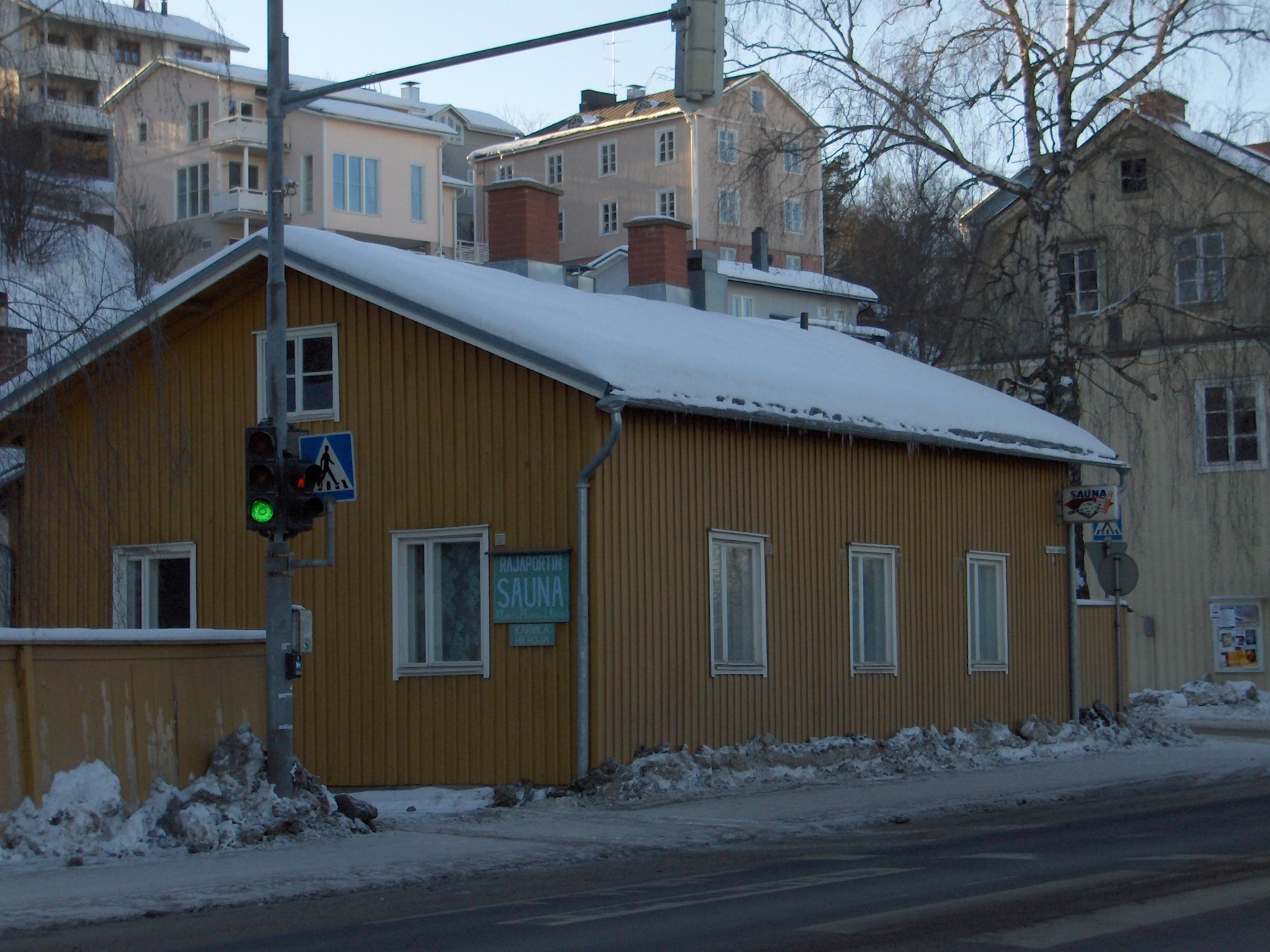
In Finland, bathing culture takes another distinctive form.
The sauna is deeply embedded in everyday life.
It can be found in homes, apartment buildings, summer cottages and public facilities.
Its central experience is relatively simple.
People sit in a heated room, often lined with wood, where a stove warms a collection of stones.
Water may be poured onto the stones to create löyly, the steam and sensation of heat central to the Finnish sauna experience.
Bathing customs vary between individuals, families and communities.
Some people prefer quiet reflection.
Others enjoy conversation.
For many, sauna is closely associated with spending time with family and friends.
The tradition has a long history, and its significance extends beyond physical cleansing.
Saunas have been associated with important moments in family life, seasonal celebrations and cultural customs.
In 2020, UNESCO recognised Finnish sauna culture as part of humanity's intangible cultural heritage.
The designation acknowledged a living tradition passed between generations, rather than simply a particular type of building.
The sauna is meaningful because of what people do within it.
Architecture of Warmth and Silence
Finnish sauna design demonstrates how a relatively simple environment can develop an extraordinary cultural identity.
Traditional examples frequently use timber, modest openings and restrained interiors.
Wooden benches provide places to sit at different heights.
A stove creates the heat.
Lighting is often subdued.
The materials and arrangement encourage attention towards the immediate surroundings.
There is little need for elaborate decoration.
The experience is shaped by warmth, scent, sound and the relationship between the body and the environment.
At a lakeside cottage, the sauna may be closely connected to the surrounding landscape.
Visitors can move between the heated room and the cooler air outside, sometimes taking a swim when conditions permit.
In urban environments, public saunas create opportunities for social gatherings beyond the home.
Newer buildings have introduced contemporary architectural approaches, combining traditional bathing experiences with modern materials and public facilities.
Yet the underlying idea remains familiar.
The sauna creates a temporary separation from the demands of everyday life.
It offers a place where time can be experienced differently.
And where the absence of distraction can become part of the attraction.
Iceland: The Swimming Pool as a Town Square
In Iceland, another form of public bathing has become an important part of national culture.
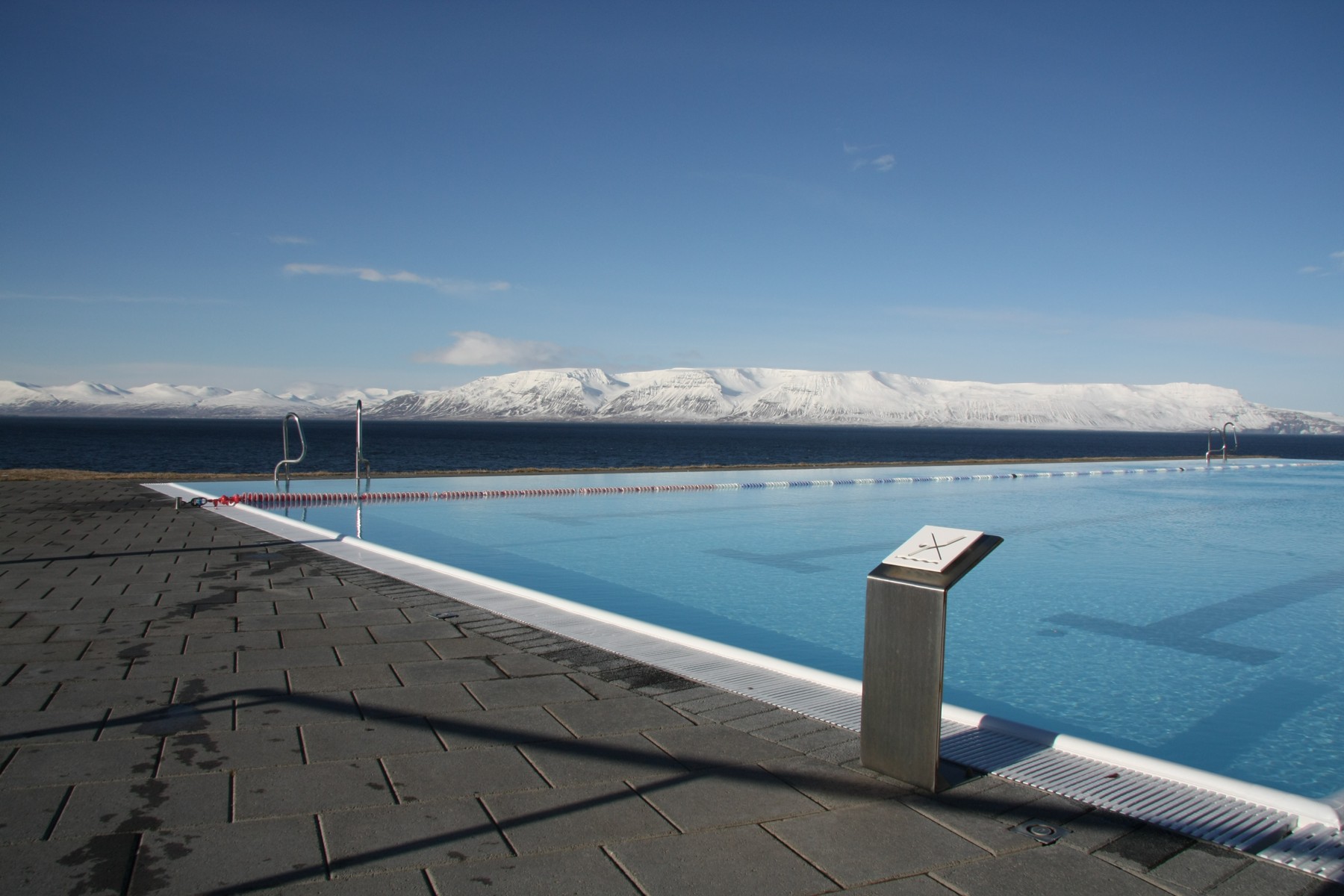
Heated swimming pools are familiar features of towns and neighbourhoods across the country.
Their popularity is closely connected to Iceland's geothermal resources, which provide opportunities to heat water even during the colder months.
But Icelandic pools are not simply facilities for exercise.
They are also places where people gather.
Residents may visit before work, after school or during an ordinary afternoon.
Children attend swimming lessons.
Friends meet in warm outdoor pools.
Older residents spend time talking in hot tubs.
The atmosphere can be remarkably social.
In smaller communities, the public swimming pool may be one of the most important local meeting places.
Conversations move between everyday subjects, community news and politics.
In December 2025, Icelandic swimming pool culture was added to UNESCO's Representative List of the Intangible Cultural Heritage of Humanity.
The recognition highlighted the social value of spaces used by people across different generations and backgrounds.
It acknowledged something that traditional cultural definitions can easily overlook.
Ordinary routines can also be important expressions of collective identity.
What These Traditions Have in Common
Japanese sentō, Turkish hammams, Finnish saunas and Icelandic swimming pools developed under very different circumstances.
Their buildings differ.
Their customs are not interchangeable.
Expectations around privacy, clothing, cleanliness and social behaviour vary between cultures and individual establishments.
Yet each tradition demonstrates the importance of shared space.
The bathhouse provides an environment where people participate in an activity alongside others.
Regular visits can create familiarity.
Conversations develop naturally.
People encounter neighbours and members of their wider community outside the usual settings of work or formal social occasions.
These interactions may appear insignificant.
But repeated over time, they contribute to a sense of connection.
The value of a public bath is not always found in a particular ceremony or extraordinary experience.
Sometimes, it lies in simply recognising the people around us.
When Bathing Becomes a Luxury
The contemporary popularity of wellness has introduced another dimension to traditional bathing.
Spa hotels, luxury retreats and carefully designed thermal facilities have adapted elements associated with historic bathing cultures.
Steam rooms, saunas and heated pools now appear in establishments around the world.
Some provide thoughtful interpretations of established traditions.
Others use their visual language primarily to create a sense of exclusivity.
This development raises an interesting question.
What happens when a communal activity becomes a luxury product?
Historically, many public bathing traditions were connected to ordinary neighbourhood life.
Their accessibility was central to their social importance.
People attended because the facilities were useful, affordable or part of established routines.
When similar experiences are presented as expensive wellness services, their meaning can change.
The architecture may become more elaborate.
The atmosphere may be more carefully controlled.
But the possibility of casual interaction between different sections of a community can diminish.
There is nothing inherently wrong with creating beautiful places for relaxation.
Yet the cultural significance of traditional public bathing cannot be measured through appearance alone.
Its value also depends on who can participate.
The Value of Being Together
Modern life offers countless opportunities for digital connection.
People can communicate instantly across continents, maintain friendships through screens and participate in communities without ever meeting face to face.
Yet physical public spaces remain essential.
Libraries, parks, cafés and community centres provide opportunities for interactions that cannot be entirely recreated online.
Public baths belong to this wider category.
They offer environments where social contact can develop without requiring a formal invitation or a particular reason to gather.
The experience is shared, but participation can remain personal.
Some visitors come to talk.
Others prefer quiet.
Both can occupy the same environment.
That flexibility is part of the appeal.
A person does not need to participate in an organised activity to feel connected to a place.
Sometimes, familiarity emerges simply through returning.
Keeping the Tradition Alive
The survival of public bathing cultures depends on changing circumstances.
Private bathrooms have reduced the practical necessity of traditional bathhouses in many countries.
Maintaining historic buildings can be expensive.
Energy and water use introduce environmental considerations, while changing lifestyles influence how often people choose to visit.
Some establishments close.
Others find new audiences.
Younger generations may discover traditional bathhouses through an interest in architecture, cultural heritage or experiences that offer a break from digital life.
Contemporary designers have also begun reimagining communal bathing facilities for modern cities.
The challenge is maintaining the qualities that made these places culturally significant.
A restored bathhouse can preserve beautiful architecture.
But keeping the building open, affordable and connected to its community may be equally important.
Traditions survive because people continue to practise them.
Not simply because their buildings remain standing.
More Than Water
Across Japan, Türkiye, Finland and Iceland, bathing has developed into something far more meaningful than an ordinary routine.
It has shaped architecture.
Created social customs.
Preserved knowledge across generations.
And provided communities with places to gather outside the conventional boundaries of home and work.
The traditions differ in almost every practical detail.
Yet they share an understanding that modern life can sometimes overlook.
An activity does not need to be extraordinary to become culturally important.
Sometimes, significance develops through repetition.
The familiar faces.
The established routines.
The spaces people return to throughout their lives.
A bathhouse can be a beautiful architectural achievement, a valuable historic building or a place of personal reflection.
But its most important contribution may be something less visible.
The relationships formed within it.
And the possibility of being part of a community without needing to do anything more than turn up.
Further Reading
The Places That Bring Us Together
Cafés, libraries and everyday gathering places rarely appear in guidebooks, yet they sustain community, belonging and cultural identity.
By Culturefold Editors
The Power of the Small Press
How handmade magazines, underground publications and independent voices helped shape culture — and why the humble zine still matters.
By Culturefold Editors
What We Eat, Who We Are
From Mexican maize and Korean kimjang to Neapolitan pizza, how culinary traditions preserve memory, connect generations and express cultural identity.