
The Power of the Small Press
How handmade magazines, underground publications and independent voices helped shape culture — and why the humble zine still matters.
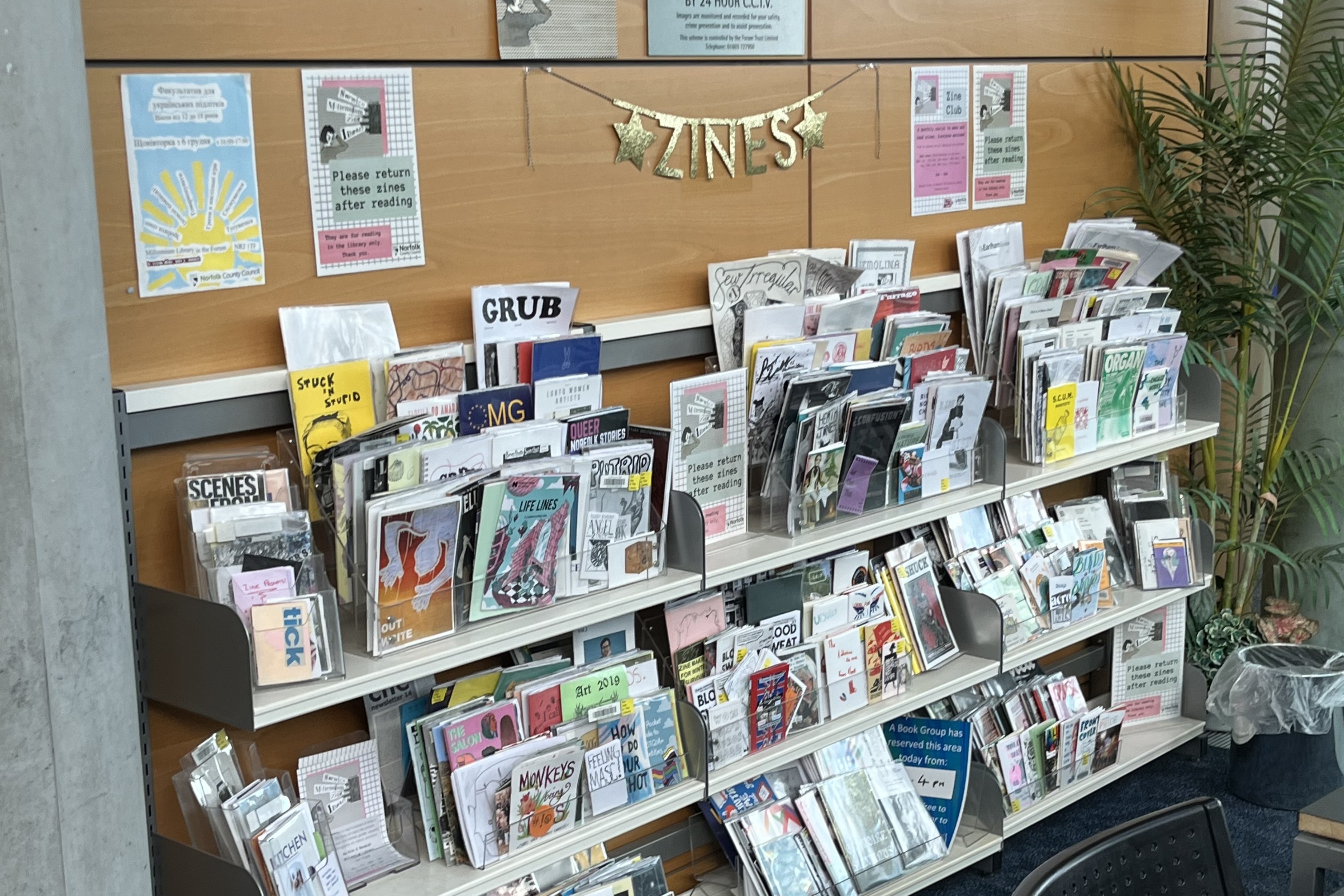
A few sheets of paper. A pair of scissors. Some photographs, handwritten notes and access to a photocopier.
For decades, these simple materials have provided an alternative to traditional publishing.
Long before social media allowed anyone to share an opinion with the world, small independent magazines known as zines gave people a way to communicate beyond the boundaries of established media.
They covered music, politics, art, literature and subjects that rarely attracted mainstream attention.
Some were carefully designed. Others appeared chaotic, filled with overlapping images, uneven lettering and hastily assembled pages.
Their appearance was often secondary to their purpose.
They existed because somebody had something to say.
And occasionally, these modest publications helped shape movements far larger than their creators could have imagined.
Publishing Without Permission
The origins of modern zine culture can be traced to the science-fiction communities of the early twentieth century.
During the 1930s, enthusiasts began producing amateur publications containing stories, reviews, letters and discussions about their favourite writers.
These early fanzines offered something traditional magazines could not always provide.
Readers became contributors.
They exchanged opinions, developed friendships and established communities around shared interests.
The publications were generally produced in small quantities and circulated through informal networks.
Their creators were not necessarily professional writers, editors or designers.
That was part of their significance.
The ability to publish did not depend entirely on gaining approval from an established organisation.
It depended on having an idea and finding a way to share it.
Punk and the Photocopier
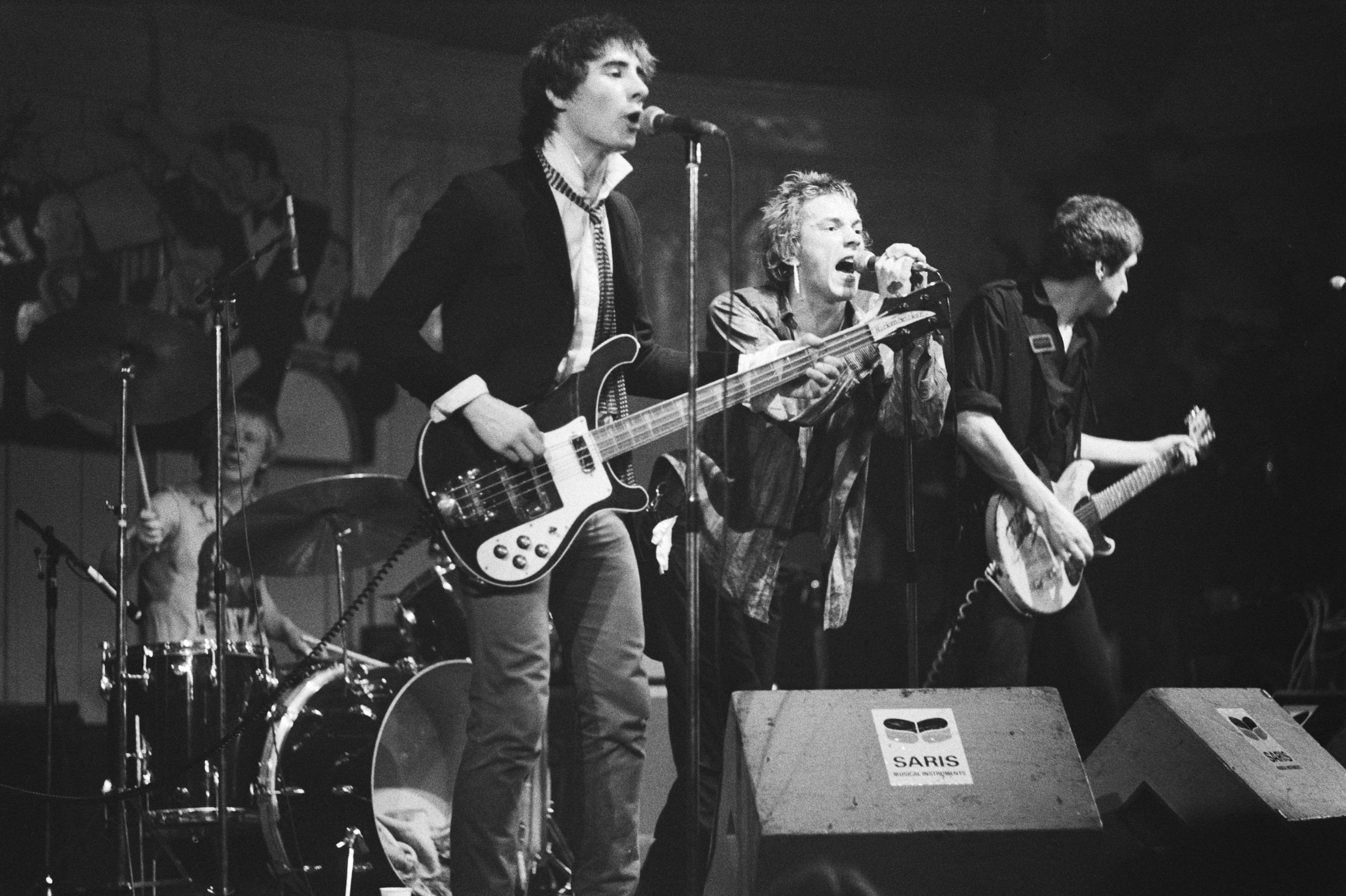
During the 1970s, zines became closely associated with the emerging punk movement.
In Britain and the United States, young people were developing musical scenes that challenged the conventions of the established recording industry.
The same independence extended to publishing.
Punk fanzines documented local bands, reviewed performances and promoted events that received little attention from mainstream newspapers or music magazines.
One influential example was Sniffin' Glue, created by Mark Perry in London in 1976.
Its deliberately rough presentation reflected the energy of the music it covered.
Handwritten text, informal interviews and simple layouts offered an alternative to polished commercial publications.
The arrival of increasingly accessible photocopying made small-scale production easier.
Pages could be assembled by hand, reproduced cheaply and distributed through record shops, concerts and personal networks.
The visual language became part of punk's wider identity.
Torn photographs, bold lettering and irregular compositions communicated an attitude as much as information.
The message was simple.
You did not need expensive equipment or professional credentials to create something worth sharing.
Giving Marginalised Voices a Platform
Zines also became important tools for communities whose experiences were frequently overlooked or misrepresented.
During the late 1980s and early 1990s, queer and feminist publishers used independent publications to discuss identity, discrimination, relationships and cultural belonging.
The Riot Grrrl movement, which emerged within American punk communities during the early 1990s, made zines an important part of its activism.
Women used these publications to communicate personal experiences, challenge sexism and encourage conversations that were often absent from mainstream cultural coverage.
The writing could be direct, emotional and deeply personal.
The design frequently reflected that openness.
Handwritten passages appeared alongside photographs, illustrations and copied fragments of other publications.
There was little attempt to create a uniformly polished appearance.
Instead, the pages felt immediate.
These publications provided opportunities for people to recognise shared experiences and connect with others beyond their immediate surroundings.
Their importance was not measured by circulation figures alone.
For some readers, encountering a small publication that reflected their own experiences could be considerably more meaningful than reading a nationally distributed magazine.
Why the Physical Object Matters
The internet transformed independent publishing.
Blogs, online communities and social platforms made it possible to distribute ideas internationally without printing a single page.
In many ways, digital technology fulfilled one of the original promises of zine culture: making it easier for individuals to publish independently.
Yet physical zines have not disappeared.
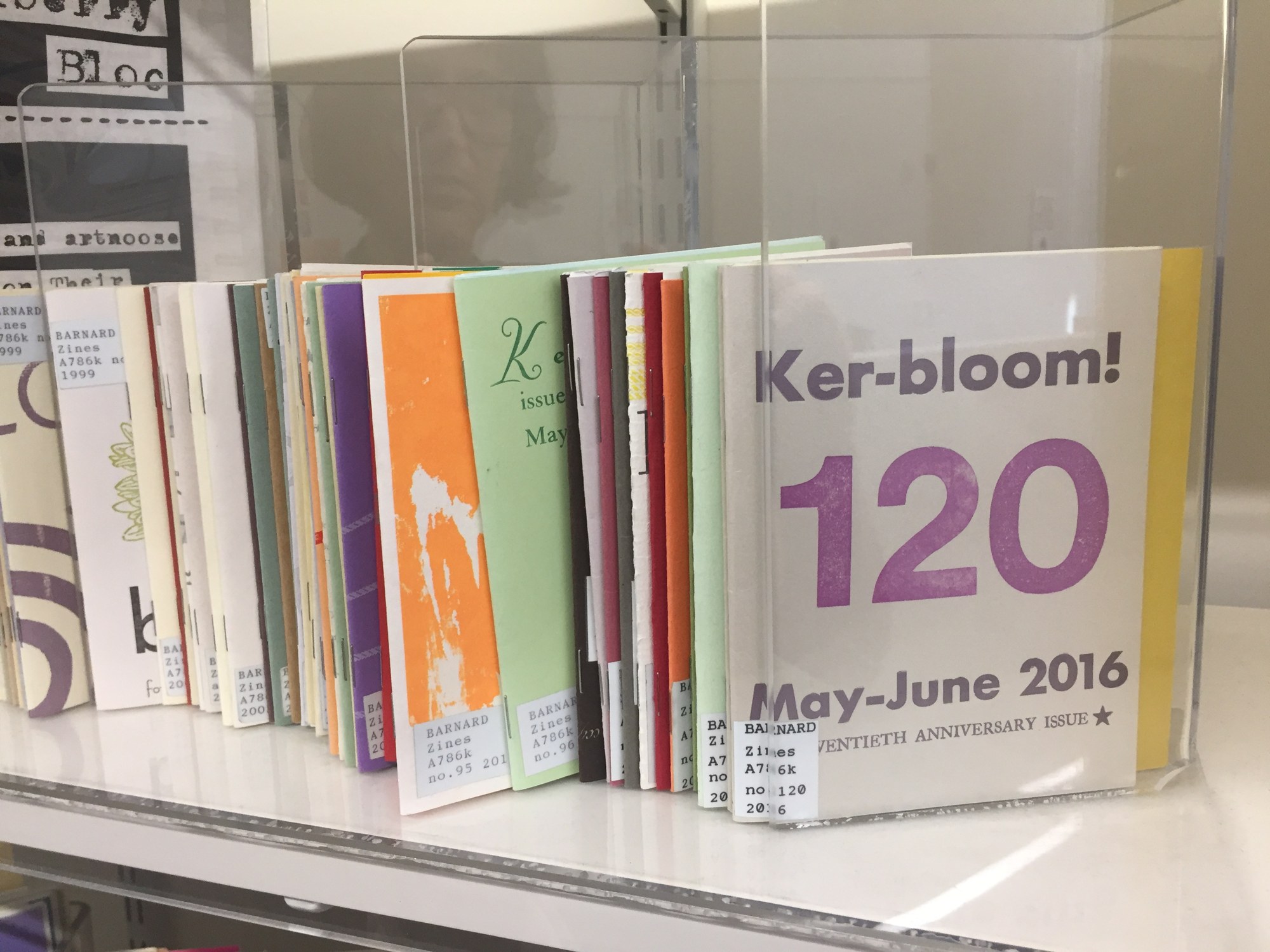
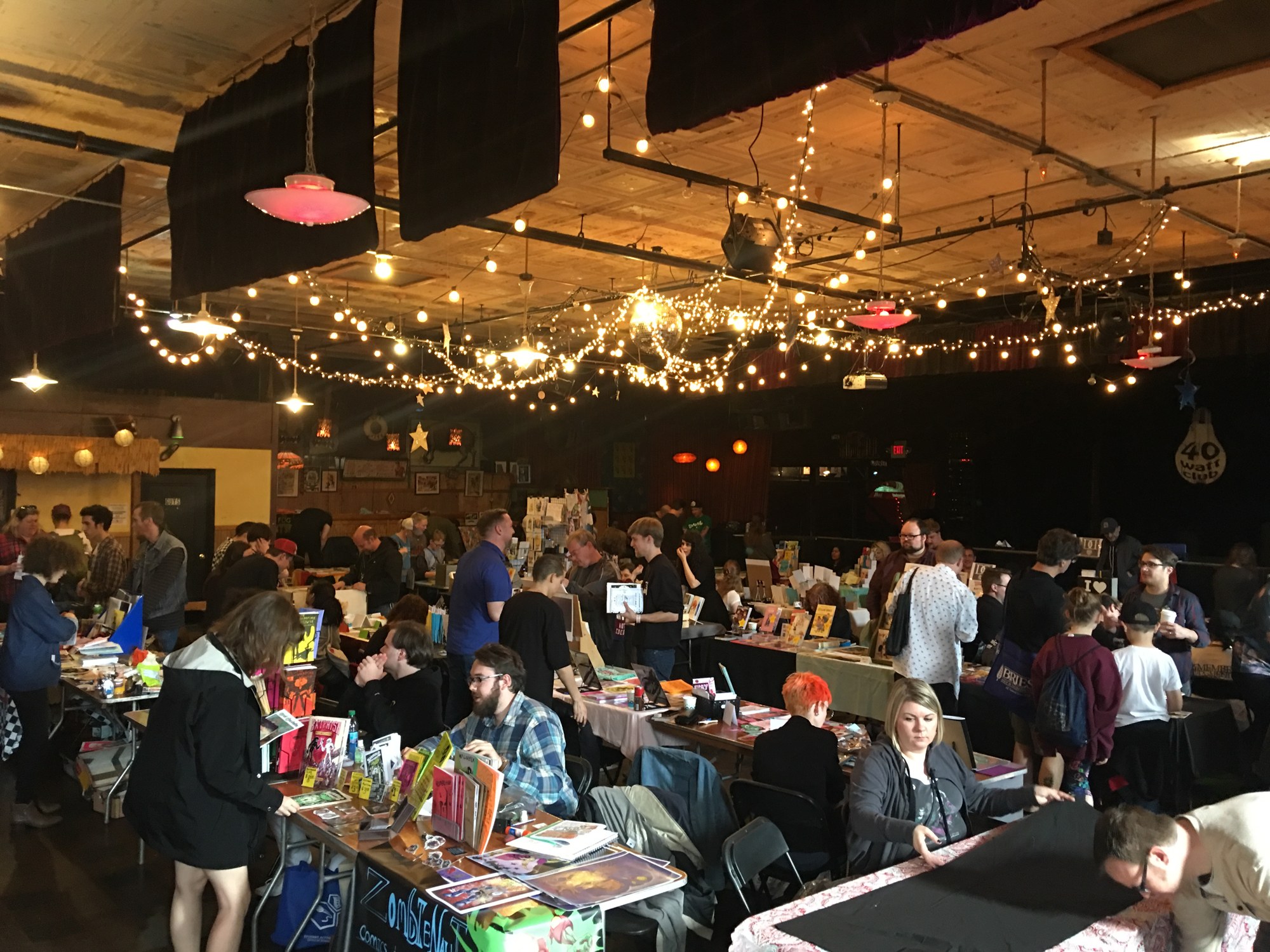
Independent bookshops, artists' fairs and specialist festivals continue to provide spaces for small publications.
Part of their appeal lies in their physical character.
Paper has texture. Printing creates imperfections. Different formats encourage unexpected arrangements of words and images.
A publication might contain folded pages, unusual materials or handwritten elements that make each copy feel personal.
There is also a different relationship with attention.
A printed zine does not compete with notifications, advertisements or an endless stream of recommended content.
The reader chooses to open it, turn its pages and spend time with what somebody has created.
Its physical limitations can become an advantage.
A small publication does not need to contain everything.
It can concentrate entirely on one subject, one community or one point of view.
Small Audiences, Significant Ideas
Modern publishing often measures success through audience size.
Views, impressions, followers and engagement rates help determine which content receives attention.
These measurements can be useful, but they do not tell the entire story.
A publication reaching a few hundred highly engaged readers may have a meaningful influence within a particular community.
An independent art magazine might introduce an emerging photographer to new collaborators.
A local music zine might help document a scene before it becomes widely recognised.
A small cultural publication could preserve stories that might otherwise disappear.
The value of these projects does not necessarily depend on becoming commercially successful.
Sometimes, their importance lies in creating a record of a particular moment.
This is one reason museums and libraries have increasingly recognised zines as valuable cultural material.
Publications once considered disposable now provide evidence of artistic movements, social attitudes and communities that traditional archives did not always document.
Their imperfections have become part of their historical significance.
The Freedom to Be Different
The most interesting thing about independent publishing is not necessarily its scale or appearance.
It is the freedom to develop a distinctive perspective.
A small publication can explore an unfamiliar subject without needing to appeal to everybody.
It can celebrate emerging creativity, question accepted ideas or devote considerable attention to something most people have never considered.
That independence does not automatically guarantee quality.
But it creates opportunities for voices and approaches that may struggle to find a place within larger commercial structures.
The history of zines demonstrates how much cultural influence can emerge from relatively modest beginnings.
Science-fiction enthusiasts developed networks of writers and readers.
Punk communities created their own channels of communication.
Feminist and queer publishers used handmade pages to share experiences and challenge established expectations.
Each generation found new purposes for a familiar idea.
Create something. Share it. Find others who care.
Today, anyone with an internet connection can publish material that reaches far beyond their immediate surroundings.
The technology has changed almost beyond recognition.
But the original impulse remains.
Sometimes, culture develops through major institutions, international exhibitions and celebrated publications.
And sometimes, it begins with a handful of pages assembled on somebody's kitchen table.
Further Reading
Dressed to Belong: How Subcultures Changed Fashion
From Mods and punk to hip-hop and skateboarding, how communities transformed clothing into expressions of identity and belonging.

More Than Water: The Culture of the Public Bath
From Japanese sentō and Ottoman hammams to Finnish saunas and Icelandic swimming pools, exploring why the simple act of bathing has brought communities together for centuries.
By Culturefold Editors

What We Eat, Who We Are
From Mexican maize and Korean kimjang to Neapolitan pizza, how culinary traditions preserve memory, connect generations and express cultural identity.