
Dressed to Belong: How Subcultures Changed Fashion
From the streets of 1960s London to the rise of hip-hop and skate culture, exploring how clothing became a powerful expression of music, identity and belonging.
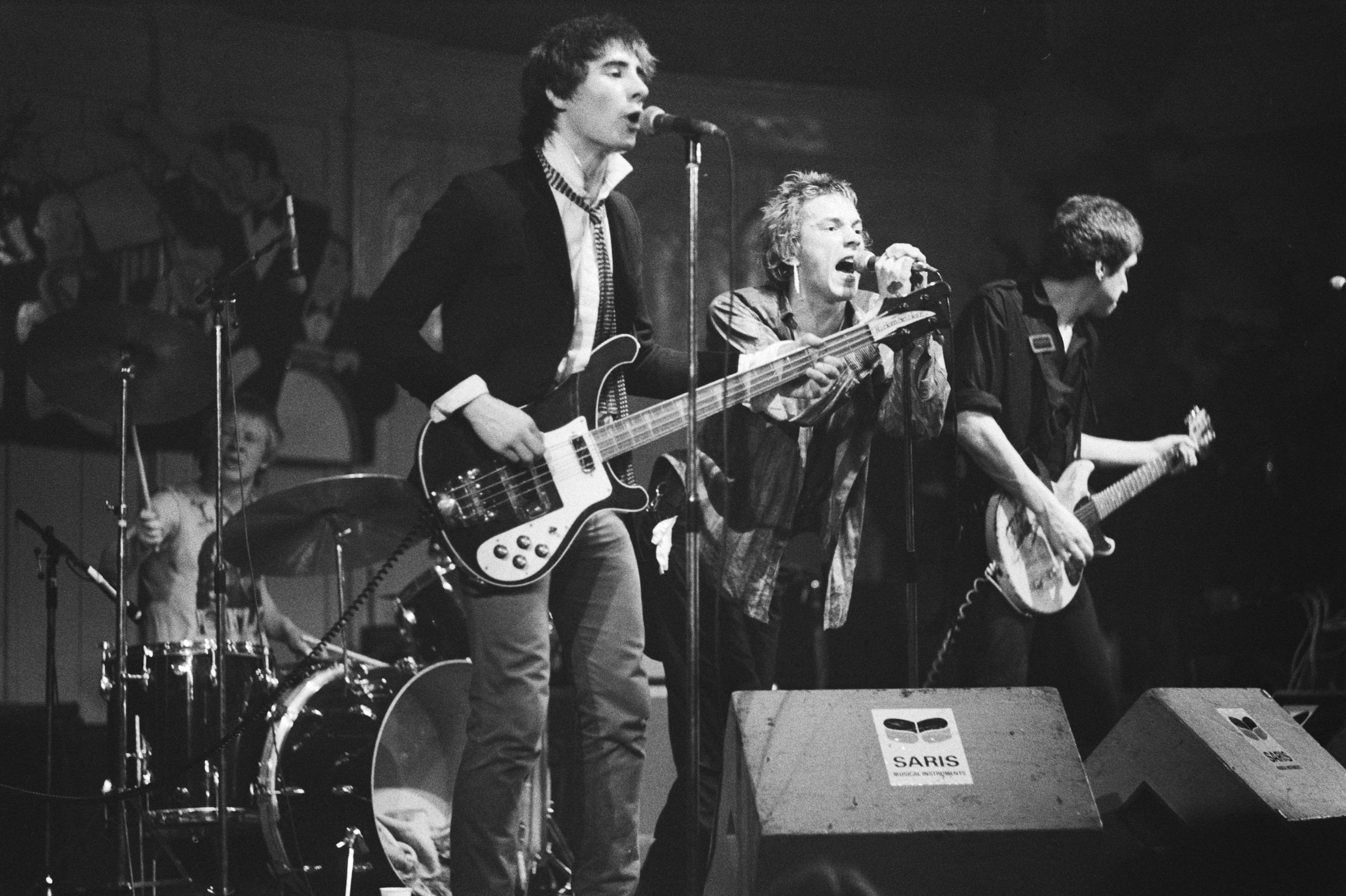
Fashion does not always begin in a design studio.
Sometimes, it begins outside a nightclub, in a record shop, on a street corner or among a group of young people who simply want to look different from everybody else.
A sharply tailored suit becomes a symbol of youth culture. A torn jacket turns into a statement of rebellion. A pair of trainers develops an identity far beyond its original sporting purpose.
These changes rarely happen through a carefully organised fashion campaign.
They emerge from communities.
Music, shared interests, social circumstances and the desire for belonging gradually produce recognisable ways of dressing.
What begins as an expression of identity within a relatively small group can eventually influence international fashion.
Designers borrow ideas. Clothing brands reinterpret familiar details. Styles once considered unconventional become part of everyday wardrobes.
Yet behind these widely recognised looks are stories about people, places and the cultures that brought them together.
To understand how fashion changes, we sometimes need to look beyond the runway.
And towards the people who were never waiting for permission to dress differently.
The Rise of the Mods
In late-1950s London, a new youth culture began developing around music, fashion and a distinctive sense of modernity.
Its members became known as Mods, an abbreviation of Modernists.
They were young people drawn to a lifestyle that placed considerable importance on appearance, music and the experience of urban life.
Their clothing offered a deliberate contrast to the conventions associated with older generations.
Sharp tailoring became central to the look.
Slim trousers, fitted jackets, narrow ties and carefully selected footwear created a recognisable silhouette.
Italian-inspired suits were particularly desirable, reflecting an interest in continental European style.
Appearance was rarely accidental.
Details mattered.
The length of a jacket, the cut of a trouser leg or the shape of a shoe could communicate an understanding of the culture surrounding the wearer.
Music was equally important.
American rhythm and blues, soul and modern jazz helped shape the atmosphere of the clubs and social spaces associated with the movement.
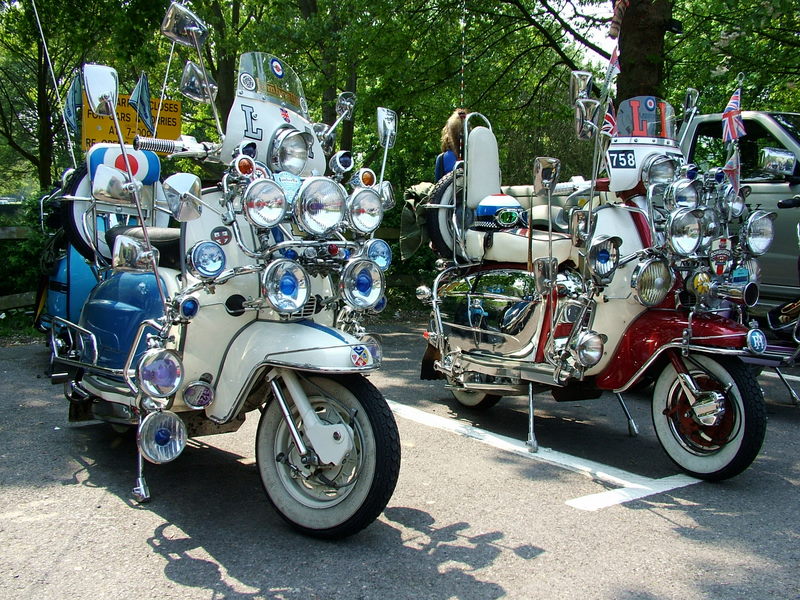
Scooters, particularly Italian Vespas and Lambrettas, became another familiar element of Mod identity.
They provided transport, but also opportunities for personal expression through mirrors, lights and other modifications.
The connection between music, clothing and movement created something larger than a particular fashion trend.
It established a recognisable cultural identity.
The clothes were part of how the group understood itself.
And wearing them was a way of participating.
Style as a Form of Independence
One of the reasons Mod culture became influential was the changing position of young people in post-war Britain.
Greater access to disposable income gave some younger people opportunities to develop consumer preferences distinct from those of their parents.
Clothing became an important part of this independence.
Rather than simply adopting established adult styles, young people increasingly selected garments that reflected their own cultural interests.
London's boutiques responded to this demand.
Areas such as Carnaby Street became associated with youth-oriented fashion, providing an alternative to more traditional clothing retailers.
Designers including Mary Quant contributed to a broader transformation in the relationship between fashion and young consumers.
The influence was not limited to menswear.
Young women experimented with new proportions, bold colours, trousers, shorter skirts and clothing that reflected changing expectations about everyday life.
These developments were not uniform, and different groups interpreted the emerging styles in different ways.
But together, they represented a significant cultural shift.
Fashion was becoming less exclusively controlled by established institutions.
Young consumers were increasingly important participants in determining what appeared modern and desirable.
The street was beginning to influence the fashion industry rather than simply following it.
Punk and the Power of Refusal
A decade later, another movement would challenge conventional ideas about clothing far more aggressively.
Punk emerged during the 1970s, developing important scenes in both New York and London.
Its visual language was deliberately confrontational.
Torn garments, safety pins, leather jackets, provocative graphics and unconventional hairstyles became familiar elements of punk style.
Where Mod culture frequently emphasised precision and carefully controlled appearance, punk often celebrated disruption.
Clothes were cut, altered, decorated and reconstructed.
A conventional garment could be transformed into something entirely different through relatively simple interventions.
An ordinary T-shirt became a surface for political messages.
A damaged jacket could communicate an attitude rather than a lack of care.
Safety pins, chains and other materials acquired meanings far removed from their original purposes.
This approach reflected the do-it-yourself culture surrounding punk music.
Bands did not necessarily require expensive production facilities or established industry approval to create and perform.
Similarly, clothing did not need to come from a recognised fashion designer to communicate a distinctive identity.
The wearer could become the designer.
But punk was never entirely separate from commerce.
In London, Vivienne Westwood and Malcolm McLaren played important roles in developing and selling provocative clothing associated with the scene.
Their King's Road shop became a significant location within the relationship between punk music, fashion and visual culture.
The movement therefore contained a contradiction that would reappear throughout fashion history.
A style associated with rejecting established expectations could also become a commercial product.
From Rebellion to Runway
The influence of punk did not disappear when its earliest musical scenes changed.
Its visual language gradually entered a much wider range of fashion.
Distressed clothing, exposed seams, unconventional construction and deliberately damaged fabrics appeared in designer collections.
Garments incorporating metal hardware, tartan, slogans and asymmetrical arrangements could be found far beyond their original cultural environments.
In 2013, the Metropolitan Museum of Art in New York explored this relationship through its exhibition PUNK: Chaos to Couture.
The exhibition examined how designers had adapted punk's visual language within high fashion.
The contrast was striking.
A movement associated with inexpensive materials and improvised construction had become an inspiration for carefully crafted luxury garments.
Techniques once intended to reject conventional ideas of beauty were being presented as expressions of sophisticated fashion design.
This transformation raises an important question.
What happens when a style of rebellion becomes desirable to the mainstream?
For some, commercial success represents recognition of a movement's creative importance.
For others, it risks removing the cultural meaning that made the style significant.
A torn garment on a fashion runway may resemble something originally created within a punk community.
But its price, audience and purpose can be entirely different.
The appearance survives.
The original circumstances may not.
Understanding this distinction is essential when considering how subcultures influence fashion.
Clothing carries meanings that cannot always be separated from the people who first gave them significance.
Hip-Hop Creates Its Own Fashion Language
While punk was transforming perceptions of rebellion and personal expression, another cultural movement was developing in New York.
Hip-hop emerged during the 1970s, particularly within Black and Latino communities in the Bronx.
Music, dance, visual art and fashion developed alongside one another, creating an influential cultural environment.
Clothing became a significant part of that identity.
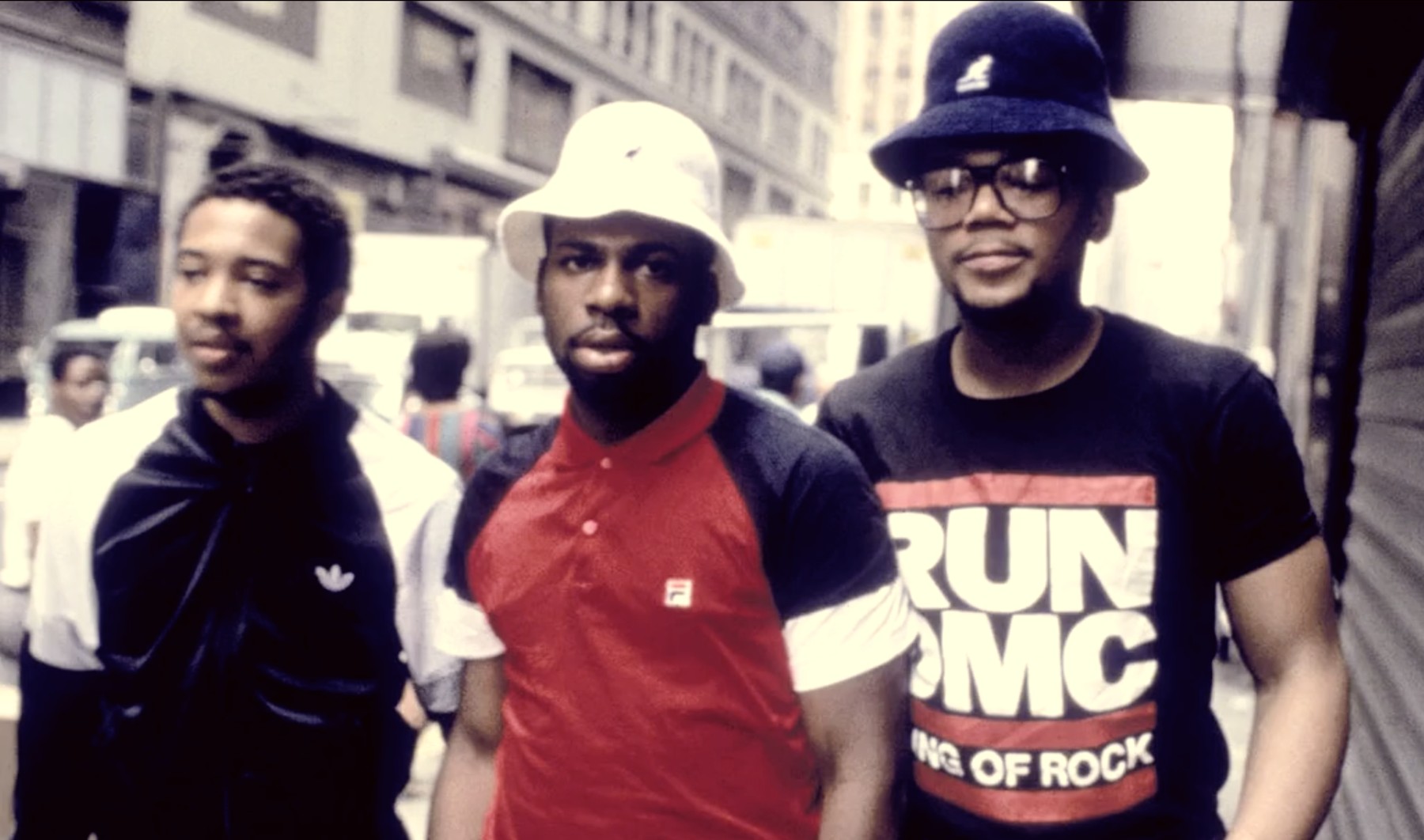
Tracksuits, trainers, sportswear, caps, denim and distinctive accessories formed recognisable elements of early hip-hop style.
But the movement was never limited to a single appearance.
Different artists and communities developed their own approaches.
Some favoured athletic clothing.
Others embraced elaborate jewellery, customised garments or expressions of luxury.
Fashion became a way to communicate individuality, success, cultural affiliation and creative confidence.
The hip-hop group Run-DMC played a particularly influential role in connecting music and footwear.
Their association with Adidas trainers became part of their public image.
In 1986, the group released My Adidas, a song celebrating the footwear they wore.
The relationship helped demonstrate that music artists could influence fashion preferences on an enormous scale.
Trainers were no longer simply athletic products.
They had become cultural symbols.
Other artists developed distinctive identities through their clothing, from Kangol hats and gold jewellery to sportswear and customised pieces.
Women were equally important in shaping the movement's fashion.
Artists including Queen Latifah, MC Lyte and Salt-N-Pepa explored different relationships between clothing, identity, performance and cultural expression.
Their styles challenged the assumption that hip-hop fashion could be reduced to a single masculine image.
Together, these contributions helped establish fashion as an essential part of hip-hop's wider creative influence.
The Street Becomes the Industry
As hip-hop gained international popularity, its fashion influence extended far beyond the communities in which it originated.
Sportswear brands recognised the commercial potential of artists and audiences whose preferences had previously received limited attention from the traditional fashion industry.
Footwear collaborations, celebrity endorsements and new clothing labels became increasingly common.
But the relationship was not simply one in which established brands discovered a new market.
Hip-hop artists and entrepreneurs also developed their own fashion businesses.
They moved from wearing existing products to creating clothing that reflected their communities, tastes and commercial ambitions.
This development helped transform streetwear into a significant part of the global fashion industry.
The cultural influence of hip-hop became visible in luxury collections, advertising campaigns and the everyday clothing worn by people around the world.
Yet recognition has not always been distributed equally.
Styles developed within Black communities have sometimes been celebrated by mainstream fashion only after being adopted by more established brands or presented to different audiences.
The distinction between influence and appropriation can be complicated.
Fashion has always developed through cultural exchange.
But exchange becomes more meaningful when the people responsible for creative innovation receive recognition and opportunities to benefit from their contributions.
Hip-hop's impact on fashion is not simply a story about trainers and tracksuits becoming popular.
It is also a story about who creates trends, who receives credit and who controls their commercial future.
Skateboarding and the Freedom to Move
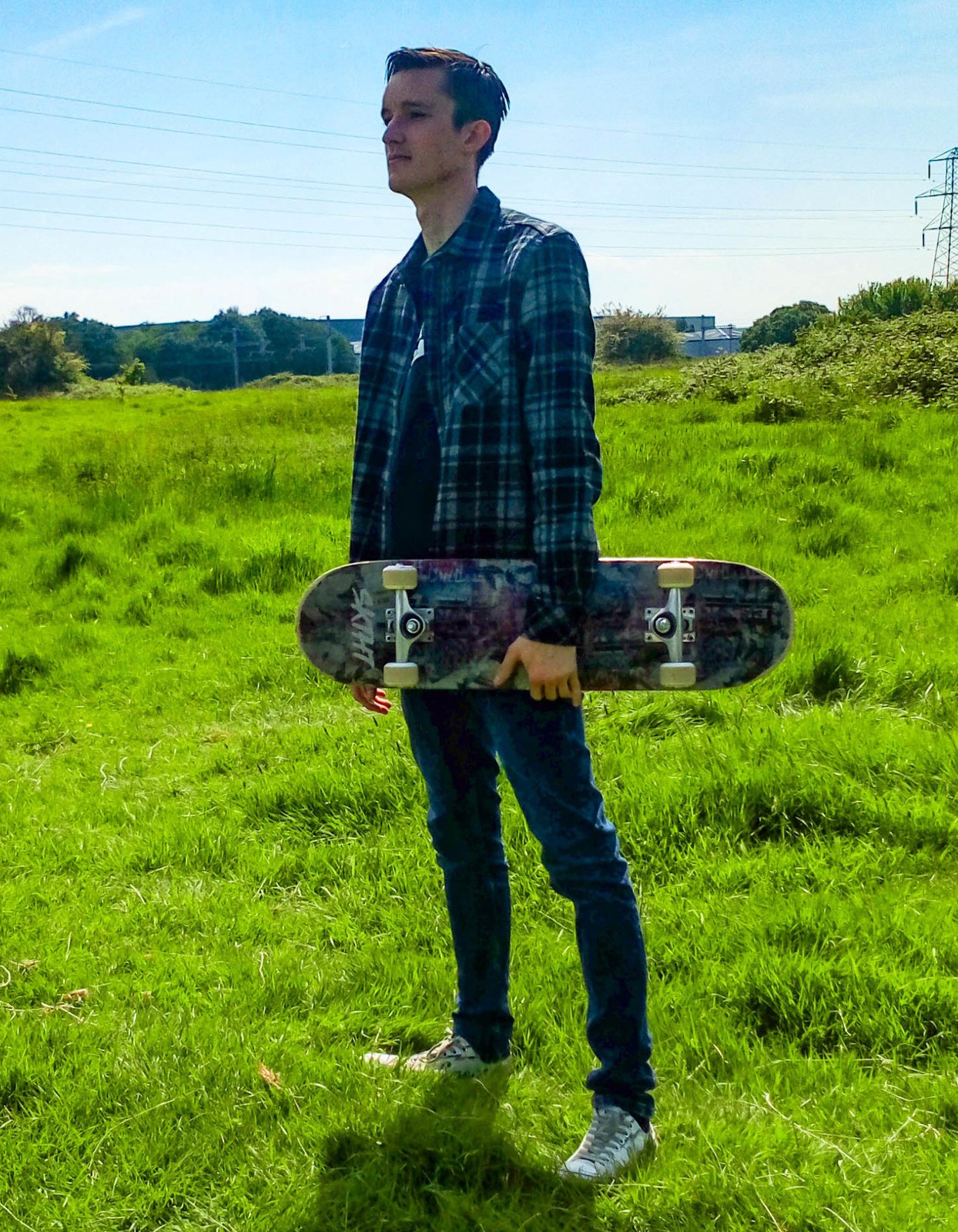
Another influential fashion culture developed around skateboarding.
Unlike the sharply tailored clothing associated with the Mods, skate style frequently placed considerable importance on movement, durability and comfort.
Clothing needed to accommodate a demanding physical activity.
Shoes required grip and flexibility.
Trousers needed to allow movement.
Garments had to withstand repeated wear, contact with rough surfaces and the practical realities of skating.
But practicality was only part of the story.
Skateboarding developed strong relationships with music, graphic design, photography and independent publishing.
Skate magazines and videos helped spread the visual identity of different scenes across cities and countries.
Graphic T-shirts became important forms of expression.
Logos, illustrations and artwork created recognisable identities for skating companies, crews and individuals.
During the 1990s, loose trousers, oversized shirts and substantial skate shoes became particularly familiar elements of skate fashion.
Their influence extended beyond people who actually skateboarded.
The clothing communicated an association with a particular culture, even when removed from its original activity.
Skateboarding also encouraged a more independent relationship with fashion.
Small businesses and skater-founded labels helped develop styles that did not always reflect the priorities of established sportswear companies.
Over time, the visual language of skate culture became increasingly influential within mainstream fashion.
Today, its impact can be seen in everyday casual clothing, footwear design and luxury collaborations.
Yet much of the original appeal came from a straightforward combination of practical need and cultural expression.
The clothing made sense within the activity.
Its wider popularity developed afterwards.
Music, Fashion and the Search for Belonging
Although these movements developed in different circumstances, they shared an important quality.
Clothing helped people recognise one another.
A tailored suit might signal an interest in Mod culture.
A customised jacket could communicate participation in a punk scene.
A particular trainer or cap might reflect a relationship with hip-hop.
A graphic T-shirt could indicate an association with a skateboarding company or community.
These visual signals created connections between people who might otherwise have remained strangers.
Clothing became a form of communication.
It allowed individuals to express an identity without requiring a formal introduction.
But belonging could also create expectations.
A group that celebrates individuality may gradually establish its own conventions about what members should wear.
Certain garments become accepted.
Others appear inappropriate.
The desire to look different from the mainstream can produce another kind of uniform.
This tension is central to subcultural fashion.
Clothing can communicate independence while simultaneously expressing membership of a group.
The two are not necessarily contradictory.
People often establish their identities through relationships with others.
Fashion simply makes those relationships visible.
When the Mainstream Takes Notice
Many styles associated with alternative communities eventually become part of mainstream fashion.
A garment once considered provocative may become entirely ordinary.
A hairstyle associated with a particular movement may lose its original cultural significance.
Clothing originally developed for a specific activity can become fashionable among people with little connection to it.
This transformation is often described as the commercialisation of subculture.
But the process is rarely straightforward.
Some communities welcome wider recognition.
Commercial opportunities can help artists, designers and businesses build sustainable careers.
Others view mainstream adoption with suspicion, particularly when the original movement's history or values are overlooked.
The relationship is complicated further by the speed of contemporary fashion.
Social media allows distinctive styles to spread across international audiences almost immediately.
An outfit photographed in one city can influence clothing choices elsewhere within hours.
This creates extraordinary opportunities for creative exchange.
But it can also reduce complex cultural identities to collections of easily copied visual details.
A particular jacket, pair of shoes or arrangement of accessories may become fashionable without much understanding of the community that developed the look.
The style travels.
The context does not always travel with it.
Can Subcultures Still Influence Fashion?
In a world where trends circulate almost instantly, it is tempting to wonder whether distinct subcultures can still develop in the same way.
The conditions have certainly changed.
Earlier movements frequently grew around particular neighbourhoods, clubs, shops and shared physical spaces.
Local communities developed recognisable identities over time.
Today, cultural influences can travel continuously through digital platforms.
People no longer need to live in the same city to share musical interests, aesthetic preferences or creative ideas.
Online communities can establish their own visual languages, bringing together individuals who may never meet in person.
At the same time, platforms can accelerate the commercial adoption of emerging styles.
An aesthetic that develops within a small community may become internationally visible before its identity has fully formed.
Brands can respond quickly.
Retailers can reproduce popular details.
The distinction between a community-developed style and a commercial trend can become difficult to identify.
Yet the human motivations behind subcultures have not disappeared.
People still seek belonging.
They still use clothing to express values, interests and identity.
And they still develop creative approaches that challenge established expectations.
The places where those movements emerge may change.
Their influence on fashion is unlikely to disappear.
More Than the Clothes
Look at the history of fashion through its most influential subcultures, and a different picture begins to emerge.
The Mods transformed tailoring into a statement of youthful modernity.
Punk challenged conventional ideas about clothing, beauty and construction.
Hip-hop established a powerful relationship between music, identity and fashion entrepreneurship.
Skateboarding developed a visual language influenced by movement, independence and creative communities.
Each movement contributed something distinctive.
And each demonstrated that fashion is shaped by far more than professional designers and established labels.
It develops through people responding to the circumstances around them.
Through music they love.
Through places they inhabit.
Through communities they belong to, and occasionally through the desire to separate themselves from the wider world.
The resulting styles may eventually appear in luxury collections or become familiar elements of everyday wardrobes.
But their origins remain important.
Because the history of fashion is not simply the history of garments.
It is also the history of the people who gave those garments meaning.
A jacket can become a symbol.
A pair of shoes can represent a community.
An ordinary outfit can communicate an entire cultural identity.
And sometimes, the next great movement in fashion begins with a handful of people who have no intention of starting one.
They are simply getting dressed.
Further Reading
The Shape of Fashion
From Dior’s sculpted waistlines to broad shoulders and oversized tailoring, how the outline of clothing reflects culture, identity and personal style.
By Culturefold Editors
From Function to Fashion
Jeans, trench coats, T-shirts and trainers began as practical clothing. How did they become the enduring icons of how we dress?
By Culturefold Editors

The Art of Seeing Differently
A closer look at how creativity changes our understanding of familiar places, everyday objects and the world we inhabit.
By Culturefold Editors