
The Chair Is Never Just a Chair
From the bentwood cafés of nineteenth-century Vienna to the steel experiments of the Bauhaus and the sculptural plastics of the 1960s, the everyday chair tells an extraordinary story about design.
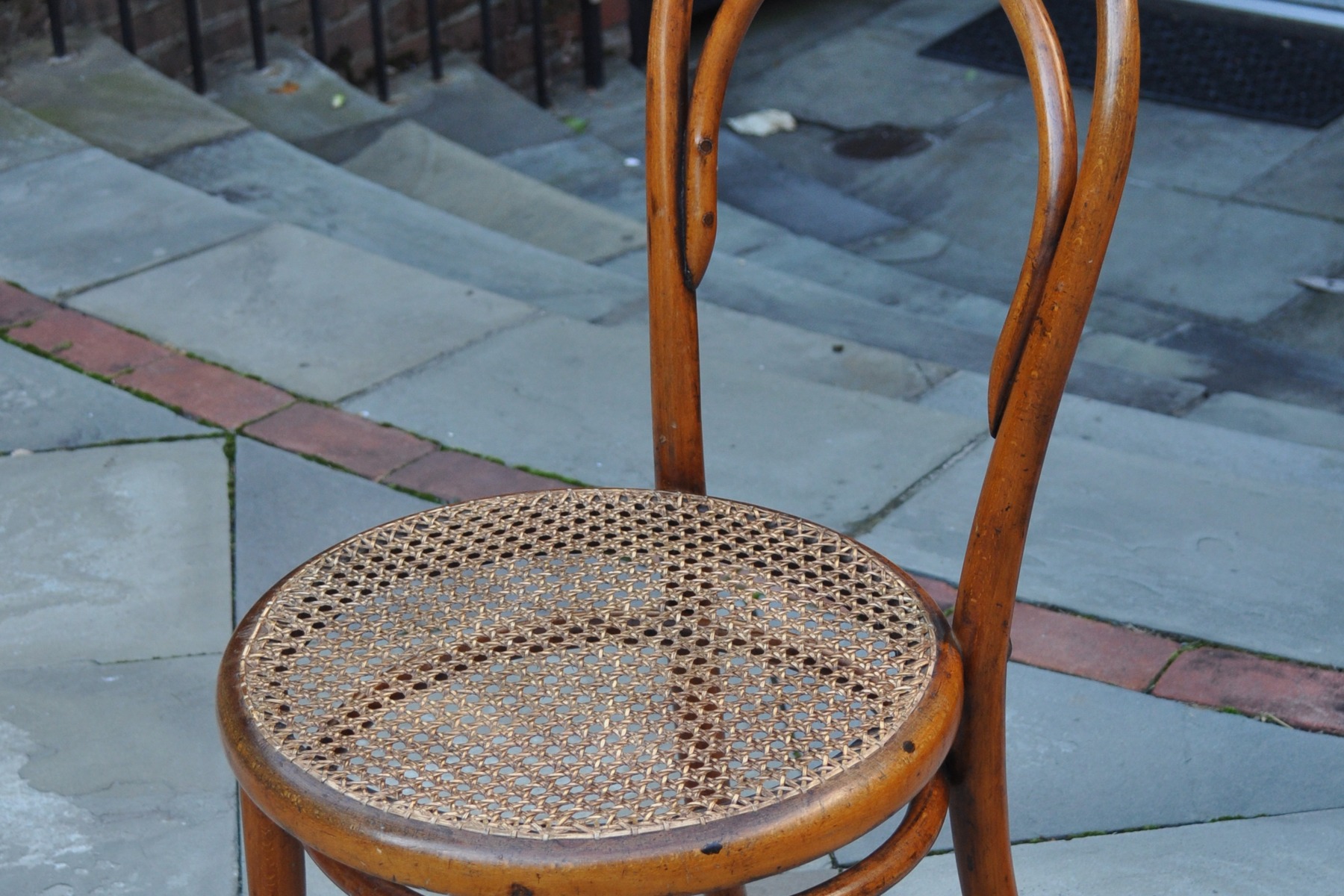
Look around almost any room and there is likely to be a chair.
It may be an ordinary dining chair, a carefully upholstered armchair or a lightweight plastic seat designed for a café. Perhaps it is an expensive designer piece, recognised instantly by people with an interest in furniture.
We rarely consider how much thought goes into these objects.
A chair must support the human body. It needs to remain stable, occupy an appropriate amount of space and withstand repeated use. It should also relate to the surrounding environment, whether that is a modest kitchen or a grand public interior.
Yet across history, designers have approached these requirements in remarkably different ways.
Some have used chairs to demonstrate new manufacturing techniques. Others have explored unfamiliar materials, challenged conventional forms or developed objects that seem closer to sculpture than furniture.
A few designs have become so influential that their silhouettes remain familiar generations after they first appeared.
The history of the chair is therefore about considerably more than seating.
It reveals changing attitudes towards technology, craftsmanship, comfort, beauty and the way people live.
And perhaps no other everyday object offers such a clear record of how design has evolved.
Vienna and the Beginning of Modern Furniture
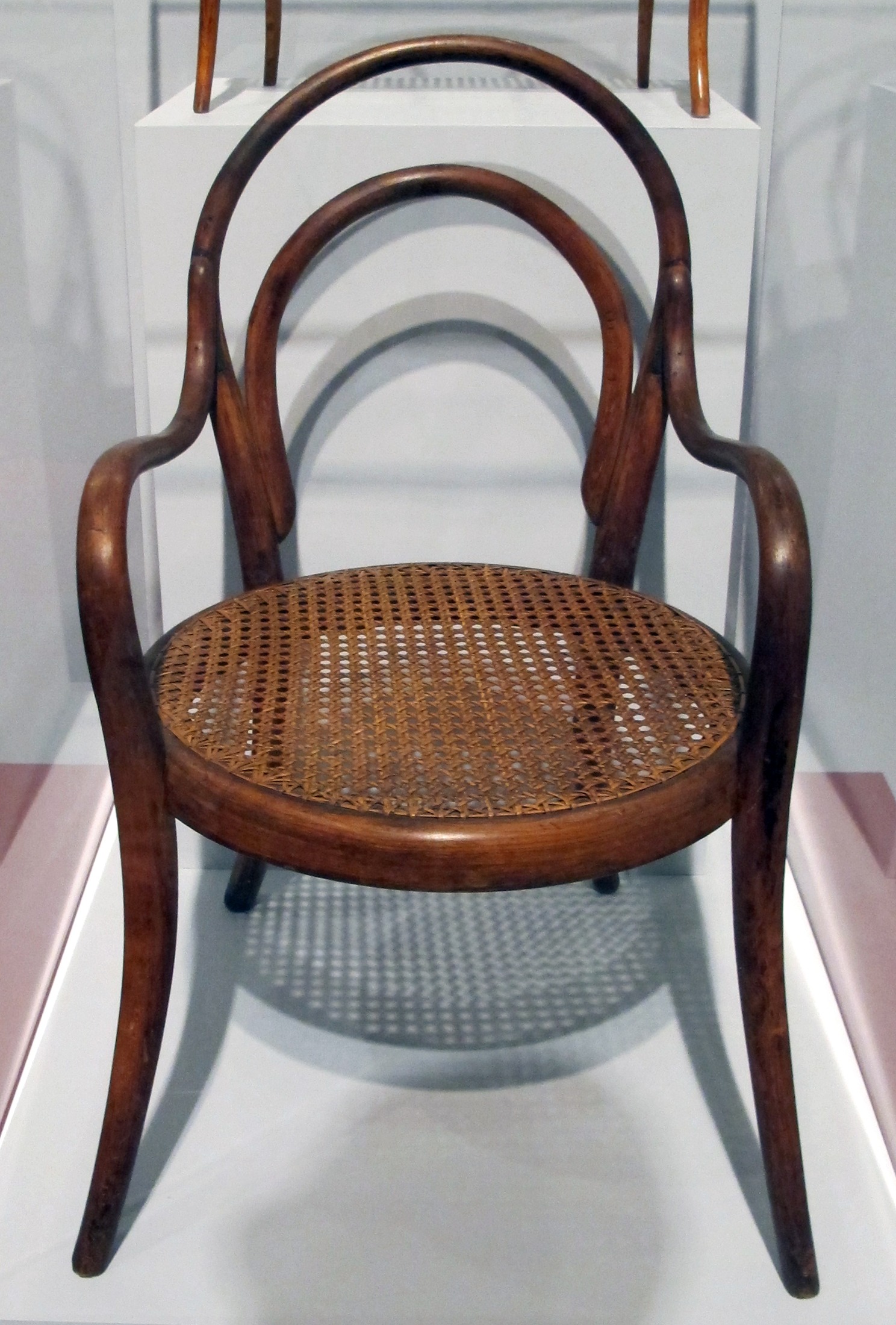
In the middle of the nineteenth century, Austrian furniture manufacturer Michael Thonet developed a chair that would transform furniture production.
Introduced in 1859, Chair No. 14 appeared remarkably simple.
Its elegant curved backrest, slender wooden legs and woven cane seat created a lightweight silhouette that contrasted with much of the heavier furniture popular at the time.
But the real innovation was not simply its appearance.
It was how the chair was made.
Thonet had perfected techniques for bending solid beechwood using heat and moisture. This allowed curved components to be manufactured efficiently and consistently.
Chair No. 14 consisted of just six wooden pieces, ten screws and two nuts.
The simplicity made it suitable for large-scale production.
It could also be shipped in parts and assembled at its destination.
Thirty-six disassembled chairs could fit into a transport container occupying approximately one cubic metre.
This was an extraordinary achievement for the period.
Furniture had traditionally required considerable craftsmanship, transportation space and individual assembly.
Thonet's approach helped establish a different model.
Standardised components could be produced in large quantities, transported efficiently and assembled wherever the chairs were needed.
The design became especially popular in cafés and restaurants.
Its lightweight construction made it practical for busy public spaces, while its restrained appearance allowed it to fit comfortably into different interiors.
By 1930, more than fifty million examples had been produced.
The chair had become an international success.
The Object That Changed the Café
The popularity of Thonet's bentwood chairs contributed to a change in how public interiors looked and operated.
In Viennese coffee houses, lightweight chairs could be moved easily between tables, rearranged for different groups and replaced without requiring elaborate furniture-making.
Their curves introduced a softer, more open visual language.
The chairs also complemented the social character of the spaces they occupied.
Coffee houses were places for conversation, reading, business and spending time outside the home.
Furniture needed to accommodate people moving, gathering and remaining seated for extended periods.
Thonet's designs offered an appealing combination of practicality and elegance.
They demonstrated that a mass-produced object did not necessarily need to appear crude or purely functional.
The design could be economical while retaining a distinctive visual identity.
This principle would become increasingly important throughout the twentieth century.
The relationship between industrial production and good design was beginning to change.
Bauhaus: A Chair Made of Steel
Several decades later, a young designer at the Bauhaus approached the chair from an entirely different direction.
Marcel Breuer was fascinated by the possibilities of modern industrial materials.
In 1925, he began experimenting with tubular steel, inspired partly by the lightweight metal construction of bicycle handlebars.
The result was the chair now known as the Wassily.
Its appearance was radically different from conventional upholstered furniture.
A framework of bent steel tubing supported strips of fabric or leather.
The chair's form was open, geometric and visually lightweight.
Where a traditional armchair might conceal its structure beneath upholstery, Breuer's design exposed almost everything.
The frame became the principal visual feature.
The seat and back appeared suspended within it.
Breuer had taken a familiar furniture type and reduced it to a series of essential lines and surfaces.
The result challenged expectations about what a comfortable chair should look like.
It seemed almost mechanical.
And that was part of its significance.
The Bauhaus sought to develop new relationships between art, industry and everyday objects.
Breuer's chair demonstrated how materials associated with manufacturing and engineering could be used to rethink domestic furniture.
It also suggested that modern interiors did not necessarily need to rely on visual traditions established centuries earlier.
A new age could have a new kind of chair.
When Structure Becomes Beauty
The Wassily chair introduced an important visual idea.
The construction of an object could become its decoration.
Rather than adding ornamental details to make the chair attractive, Breuer allowed the steel framework to define its appearance.
Its proportions, bends and connections became essential to its aesthetic identity.
This approach reflected wider developments in modernist design.
Architects and designers were increasingly interested in expressing materials clearly and reducing unnecessary ornament.
But the appeal of the Wassily chair was not simply philosophical.
Its open structure also changed the way the object occupied a room.
A large upholstered armchair presents a substantial visual mass.
Breuer's design allows space to remain visible through its framework.
Even when the overall dimensions are considerable, the chair can appear remarkably light.
This relationship between the object and the surrounding space became influential in modern furniture.
A chair no longer needed to be understood as a solid volume.
It could be a carefully arranged structure of lines, surfaces and empty spaces.
Charles and Ray Eames: Designing for Everyday Life
By the middle of the twentieth century, designers were exploring another question.
Could modern furniture combine comfort, attractive appearance and affordable mass production?
In the United States, Charles and Ray Eames approached this problem through experimentation.
The couple investigated materials and manufacturing techniques that could produce furniture suitable for a wide range of environments.
Their work included moulded plywood, metal and fibreglass-reinforced plastic.
One of their most influential achievements was the Eames Shell Chair, introduced commercially in 1950.
Its defining feature was a single moulded seat shell shaped to support the human body.
Rather than using a conventional arrangement of separate upholstered components, the designers developed a continuous form.
The curved surface provided support while creating a recognisable silhouette.
Different bases could be attached to the shell, allowing variations suited to dining rooms, offices and other environments.
Colours and finishes introduced further possibilities.
The design represented a significant development in the relationship between industrial materials and domestic furniture.
Plastic was no longer simply a substitute for more familiar materials.
It could offer shapes that would be difficult or expensive to produce using traditional methods.
The chair's success also reflected the Eameses' interest in designing for ordinary life.
Good furniture did not need to be limited to highly decorated interiors or exclusive settings.
It could be practical, adaptable and visually engaging.
The Chair as an Experiment
The Eameses' designs are now closely associated with mid-century modernism.
Their chairs appear in homes, restaurants, offices and design collections around the world.
But their familiar appearance can obscure the amount of experimentation involved in their development.
The designers investigated how materials responded to pressure, weight and the shape of the human body.
They produced prototypes, tested different methods and refined their forms.
Not every experiment succeeded.
Early attempts to create single-piece moulded plywood seats encountered structural difficulties.
The eventual use of fibreglass-reinforced plastic offered different manufacturing possibilities.
The result became a landmark in industrial furniture production.
Yet its long history also reveals how design must respond to changing priorities.
Concerns about the environmental and health implications of fibreglass manufacturing contributed to the original material being discontinued.
Later versions introduced alternative plastics and revised production methods.
The chair remained recognisable.
But the materials and processes surrounding it continued to change.
A successful design is not always a finished answer.
Sometimes, it becomes an ongoing experiment.
Verner Panton: A Chair Without Legs
In the 1960s, Danish designer Verner Panton imagined a chair that challenged another fundamental assumption.
What if a chair did not require a conventional arrangement of legs?
Panton had been investigating the possibilities of plastic furniture since the 1950s.
He wanted to create a continuous sculptural form in which the seat, backrest and supporting structure flowed together.
The result was the Panton Chair.
Developed with Swiss furniture manufacturer Vitra, it entered limited production in 1967.
Its extraordinary S-shaped silhouette appeared unlike almost any conventional chair.
There were no separate rear legs.
The structure extended from the floor, curved forwards to form the seat and continued upwards into the backrest.
The entire object functioned as one continuous form.
Its appearance was bold, futuristic and unmistakably associated with the optimism of 1960s design.
Bright colours reinforced its sculptural character.
Yet producing the chair required considerable technical development.
Manufacturers had initially struggled to find a suitable combination of material strength, flexibility and practical production methods.
The design passed through numerous prototypes and manufacturing changes.
The original vision was simple to imagine but extraordinarily difficult to realise.
This is one of the recurring themes in furniture history.
A chair can appear effortless once completed.
The engineering behind that simplicity may have taken years.
Sitting as a Cultural Expression
The chair also reveals something about the societies that produce and use it.
Different cultures have developed different traditions surrounding posture, seating and the arrangement of domestic space.
In some environments, sitting close to the floor has long been an ordinary part of everyday life.
Elsewhere, raised chairs, benches and stools became dominant furniture forms.
Even within societies where chairs are common, their design communicates different expectations.
A dining chair encourages one kind of posture and activity.
An office chair accommodates working at a desk.
A lounge chair suggests relaxation.
A ceremonial chair may communicate authority or status.
Historically, chairs have sometimes been reserved for particular individuals, while others sat on benches, stools or the floor.
The object could therefore represent social position as much as practical comfort.
Today, a carefully designed chair may communicate taste, wealth or an interest in a particular period of design.
An iconic silhouette can become a symbol of cultural knowledge.
Yet the primary function remains remarkably ordinary.
It is still somewhere for a person to sit.
The contrast between symbolic meaning and everyday usefulness is part of what makes furniture design so interesting.
Why Comfort Is Complicated
A chair may look extraordinary and still feel uncomfortable.
Another may appear completely unremarkable but provide excellent support.
This tension between visual expression and physical experience is central to seating design.
Comfort depends on several factors.
Seat height, depth, backrest angle and material all influence how a person experiences a chair.
The intended activity matters too.
A chair suitable for a short conversation may not be appropriate for eight hours of desk work.
Different body sizes, abilities and personal preferences further complicate the problem.
There is no single chair that can provide the ideal experience for everybody.
Contemporary ergonomic design attempts to respond to this complexity through adjustability, support and careful study of human movement.
But even highly adjustable furniture requires compromises.
Additional mechanisms can increase cost, weight and maintenance requirements.
A simpler chair may be more durable and easier to repair.
Good design therefore involves balancing competing priorities.
Appearance matters.
Comfort matters.
So do cost, longevity and the practical circumstances in which the chair will be used.
The most successful design is not necessarily the most visually dramatic.
It is the one that responds thoughtfully to its purpose.
When Furniture Becomes Art
Some chairs occupy an unusual position between functional object and collectible artwork.
Original examples of influential designs are displayed in museums.
Rare editions appear at auctions.
Limited-production pieces attract collectors who may have little intention of using them as everyday furniture.
The chair becomes an object to appreciate visually rather than simply something to sit on.
This transformation raises an interesting question.
Can a practical object become art without losing its identity as design?
The distinction is not always clear.
Panton's chair can function as an ordinary seat, but its expressive form also makes it compelling as a sculptural object.
Breuer's Wassily chair demonstrates a radical approach to materials and structure while remaining recognisably functional.
The Eames Shell Chair is a familiar piece of commercial furniture, yet it also represents an important stage in twentieth-century industrial design.
Museums collect these objects because they tell stories about creativity, technology and cultural change.
Their importance extends beyond appearance.
They demonstrate how designers have responded to the possibilities and limitations of their time.
The Future of Sitting
Today, chair designers face challenges that earlier generations could not have anticipated in quite the same way.
Sustainability has become an increasingly important consideration.
Materials must be evaluated not only for strength, comfort and appearance, but also for their environmental impact.
Manufacturing processes, transport, repairability and eventual disposal all contribute to a chair's wider consequences.
The popularity of inexpensive furniture has made seating more accessible, but it has also encouraged products that may be difficult to repair or uneconomical to maintain.
Designers and manufacturers are exploring recycled materials, replaceable components and ways to extend the useful life of furniture.
These questions are not entirely new.
Thonet's nineteenth-century chairs demonstrated the value of efficient production and transportation.
Breuer explored the structural possibilities of relatively lightweight industrial materials.
The Eameses investigated how new manufacturing methods could produce useful furniture on a larger scale.
Each generation has attempted to make better use of the resources and technology available to it.
The challenge today is to consider the entire life of the object.
Not simply how it is made or how it looks when new, but how long it remains useful and what happens when it is no longer needed.
An Ordinary Object, An Extraordinary History
The chair is one of those objects so familiar that its presence rarely attracts attention.
We sit down without considering the decisions that made the experience possible.
Yet a closer look reveals an extraordinary history.
Michael Thonet transformed furniture manufacturing through bentwood construction and standardised components.
Marcel Breuer explored the possibilities of tubular steel and challenged conventional ideas about furniture structure.
Charles and Ray Eames developed new relationships between materials, comfort and industrial production.
Verner Panton pushed plastic technology towards a radical sculptural form.
Their achievements reflect different ambitions.
Some were concerned with affordability and efficient manufacturing.
Others were driven by experimentation, visual expression or the desire to create entirely new forms.
But all demonstrated that an ordinary object could become an opportunity for extraordinary innovation.
Perhaps that is what makes the history of furniture design so compelling.
Its influence exists in the background of everyday life.
A chair does not need to announce its significance.
It simply occupies a space, supports a person and becomes part of the environment around it.
And sometimes, the most remarkable examples are those we use without giving them a second thought.
Because a chair is never just a chair.
It is also a record of the ideas, materials and possibilities that shaped the world in which it was made.
Further Reading
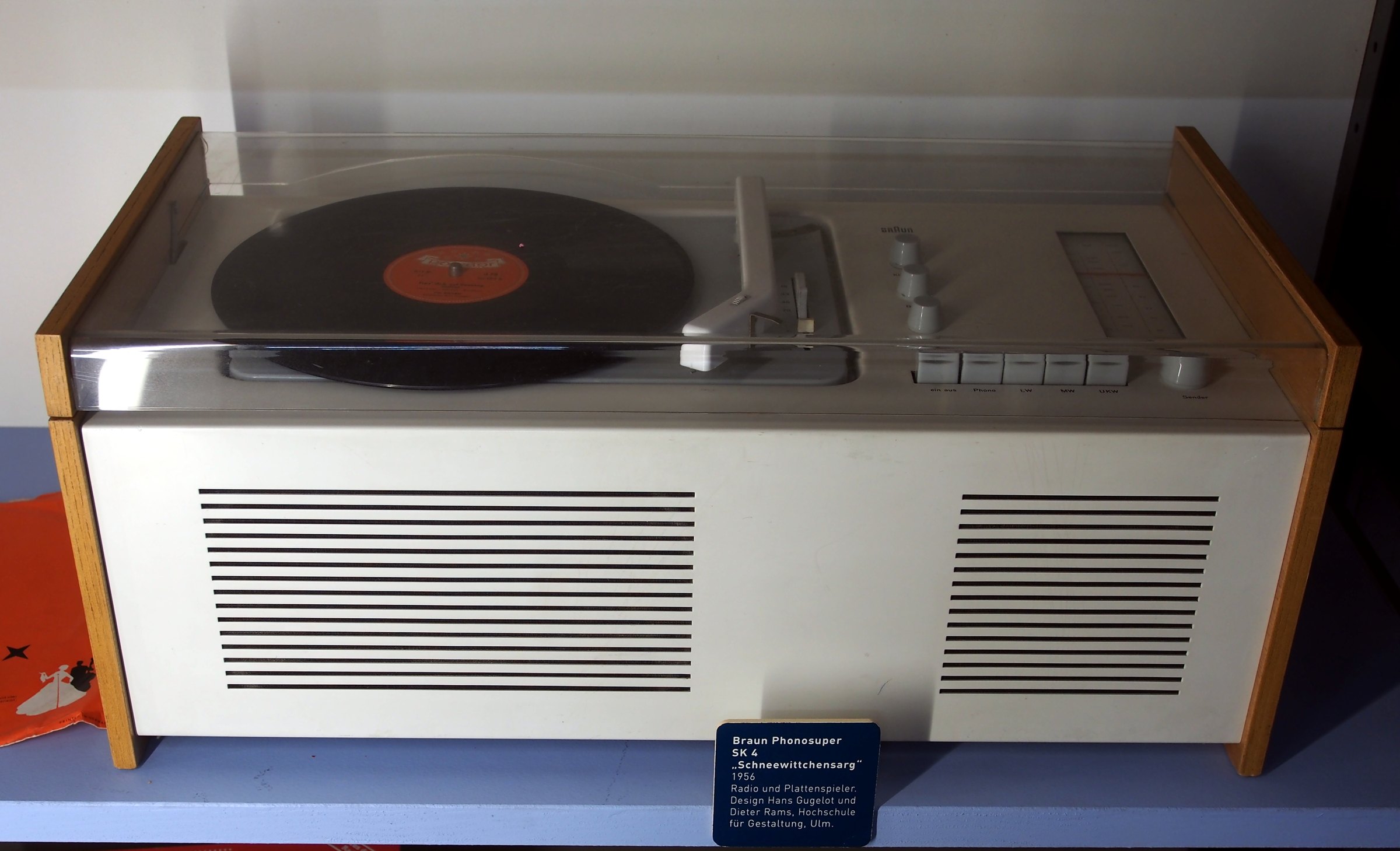
The Design of Listening
How the record player, Walkman and iPod changed not only the objects we used, but the way music fits into everyday life.
By Culturefold Editors

Finding Our Way: The Art of Wayfinding
From New York's subway to Munich 1972 and Schiphol, how wayfinding design quietly guides millions of people through complex spaces.
By Culturefold Editors
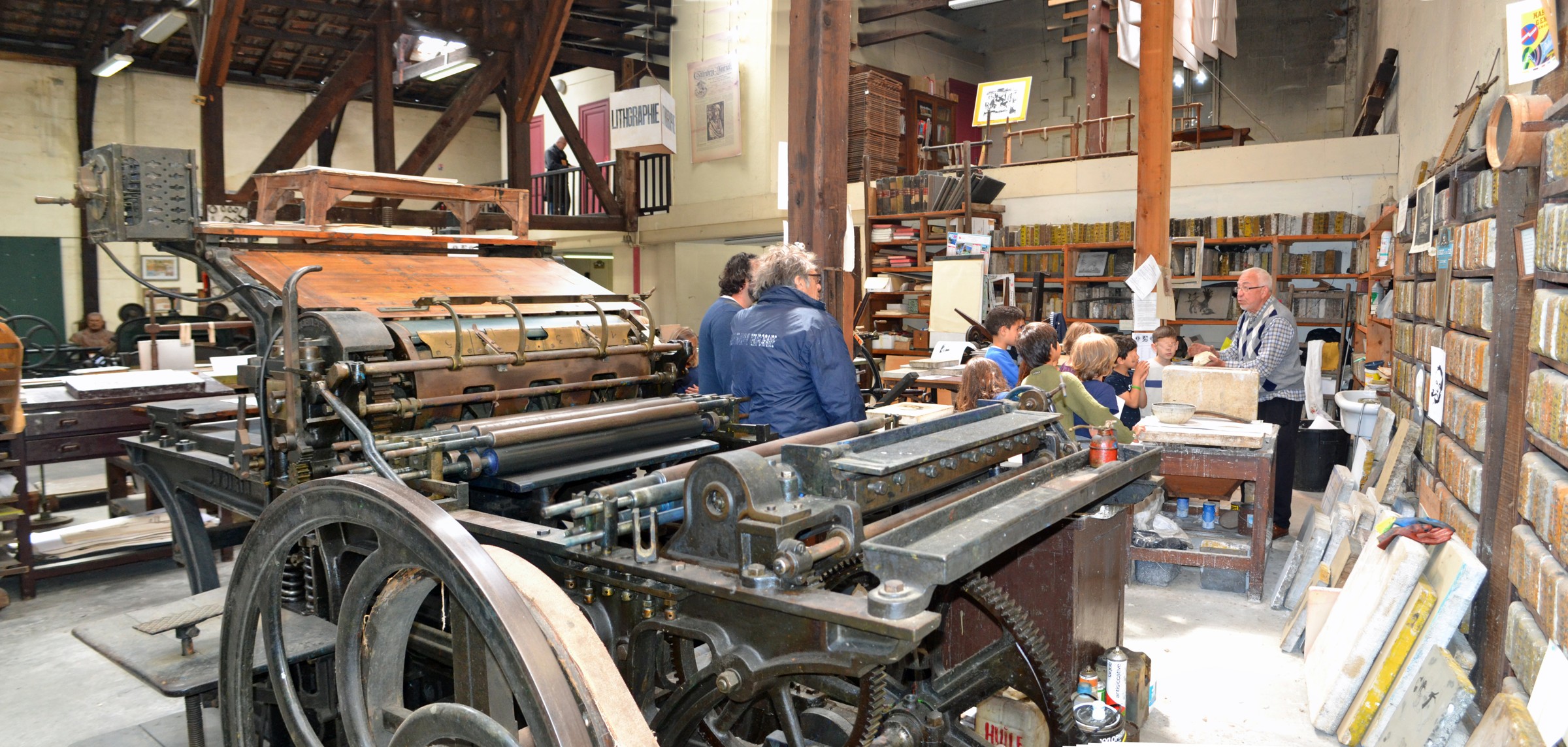
The Poster: Design Made Public
From Parisian streets to Swiss typography and Polish cinema, how the poster became one of design’s most powerful cultural mediums.
By Culturefold Editors