
Beyond the Runway: When Fashion Became a Spectacle
From intimate Parisian salons to theatrical productions watched around the world, how the fashion show evolved into one of the most influential stages in contemporary culture.
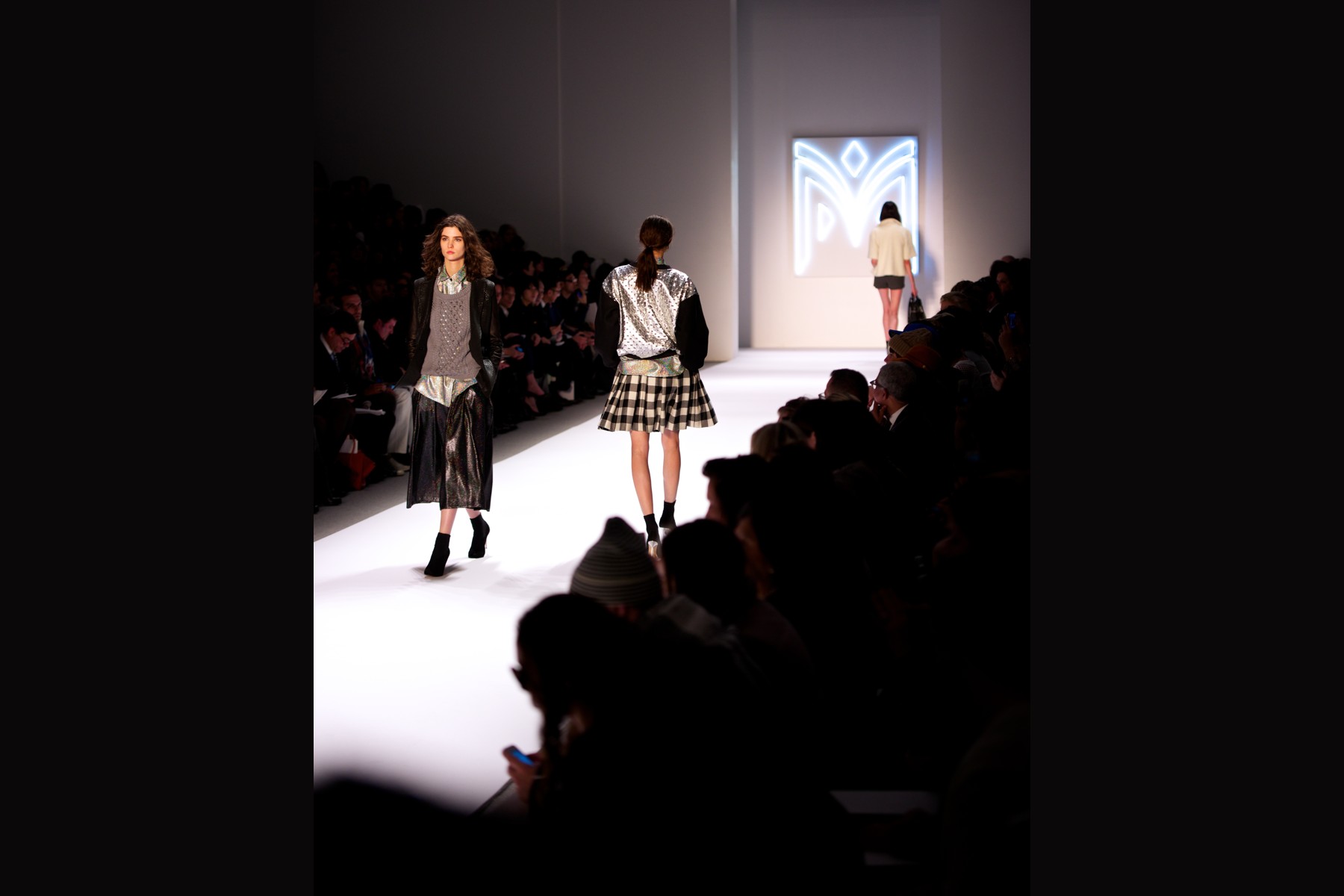
The lights dim. Music fills the room. A carefully selected audience turns its attention towards an empty runway.
Then the first model appears.
For a few minutes, clothing becomes the centre of an elaborate performance. Every detail has been considered, from the music and lighting to the order in which garments appear.
But the modern fashion show is about considerably more than presenting new clothes.
It can introduce an artistic vision, challenge cultural expectations or create a moment that remains influential long after the collection has disappeared from the runway.
Some presentations resemble theatre. Others borrow from performance art, architecture or cinema.
A few have become defining moments in fashion history.
Yet this extraordinary spectacle began in surprisingly modest circumstances.
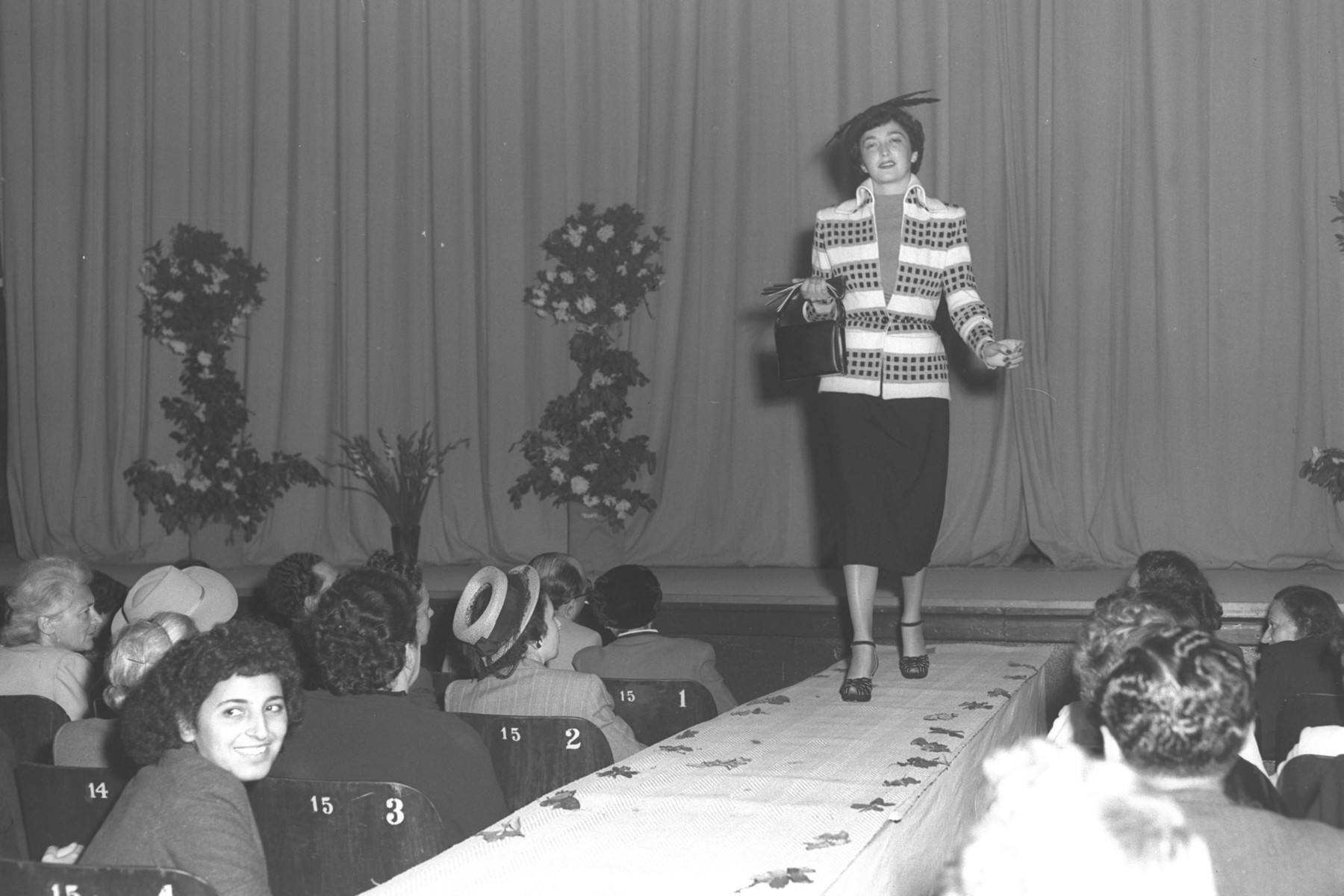
Long before elaborate productions and international audiences, designers invited a small number of clients into private rooms to examine their latest creations.
The transformation from intimate salon to global cultural event reveals how fashion has evolved.
And how the presentation of clothing became almost as significant as the clothing itself.
The Salon Before the Runway
During the nineteenth century, wealthy clients frequently commissioned clothing through private dressmakers and established fashion houses.
Garments were developed according to individual requirements, with fabrics, details and fittings discussed directly with the customer.
The process was personal and often highly exclusive.
Charles Frederick Worth, an English-born designer working in Paris, helped transform this relationship.
During the second half of the nineteenth century, Worth established a fashion house that presented collections of designs for clients to select from.
Rather than relying exclusively on sketches or garments displayed on static forms, he used living models to demonstrate how clothing looked when worn.
The idea was deceptively simple.
A dress could be appreciated through movement.
Clients could observe how fabric responded to the body, how a skirt fell and how an ensemble appeared from different angles.
The presentation also shifted the balance of influence.
Instead of producing only what clients requested, the designer increasingly proposed what they might want to wear.
This was an important development in the emergence of haute couture.
The fashion house began establishing its own creative identity.
And the presentation of a collection became part of that identity.
When Fashion Learned to Perform
By the early twentieth century, fashion presentations were becoming more elaborate.
Designers recognised that the atmosphere surrounding a collection could influence how it was received.
Among the pioneers was British designer Lady Duff-Gordon, who worked under the name Lucile.
Her presentations helped introduce a more theatrical approach, using carefully organised appearances, atmospheric settings and models with distinctive identities.
In Paris, Paul Poiret explored the relationship between fashion and entertainment through elaborate social events and presentations.
His famous Thousand and Second Night party in 1911 brought together costume, fantasy and theatrical spectacle.
These developments suggested that clothing could be presented as part of a wider imagined world.
A garment was no longer simply an object to inspect.
It could become a character within a story.
The setting, music and atmosphere could reinforce the designer's creative intentions.
Fashion had begun borrowing the techniques of performance.
And the runway was developing into a stage.
Dior and the Power of a Single Collection
On 12 February 1947, Christian Dior presented his first collection at 30 Avenue Montaigne in Paris.
The setting was intimate, but its influence would extend far beyond the salon.
Dior introduced silhouettes characterised by rounded shoulders, narrow waists and full skirts.
The designs contrasted with the practical clothing and material restrictions associated with the wartime years.
The collection became known as the New Look, a phrase associated with Harper's Bazaar editor Carmel Snow.
Its impact was immediate.
The designs attracted extraordinary attention, helping establish Dior as one of the defining figures of post-war fashion.
But the response was not universally positive.
The generous use of fabric and the return to more structured feminine silhouettes attracted criticism, particularly during a period when memories of rationing remained recent.
The controversy demonstrated that a fashion presentation could do more than introduce attractive clothing.
It could provoke debate about society, economics and changing ideas of femininity.
A collection shown to a relatively small group of invited guests could influence the wider cultural conversation.
The fashion show had become a mechanism for communicating change.
New York Creates Its Own Fashion Stage
For much of the early twentieth century, Paris dominated the international conversation surrounding high fashion.
American designers and manufacturers had established an important industry, but French couture retained considerable cultural authority.
The Second World War disrupted that relationship.
With Paris occupied and international travel severely restricted, American fashion had opportunities to establish a stronger independent identity.
In 1943, influential fashion publicist Eleanor Lambert organised Press Week in New York.
The event brought American designers and fashion journalists together, creating a coordinated opportunity to present seasonal collections.
It became an important predecessor of New York Fashion Week.
The significance extended beyond the shows themselves.
Press Week helped encourage recognition of American designers as creative figures rather than simply producers following European trends.
It also demonstrated the importance of media attention.
A collection did not need to reach every customer directly.
Photographs, reviews and editorial coverage could carry its ideas to a much wider audience.
The relationship between fashion, publicity and cultural influence was becoming increasingly sophisticated.
The Battle of Versailles
One of the most important moments in runway history took place in an unexpected setting.
On 28 November 1973, a fashion event was organised at the Palace of Versailles in France to support restoration work.
Five French fashion houses presented collections alongside five American designers.
The French participants included Yves Saint Laurent, Givenchy and Dior, represented by Marc Bohan.
The American contingent included Halston, Bill Blass, Anne Klein, Oscar de la Renta and Stephen Burrows.
The event became known as the Battle of Versailles.
The French presentations emphasised elaborate staging and established couture traditions.
The Americans offered a different energy, with dynamic movement, contemporary music and a more direct approach to performance.
The American presentation was widely celebrated, helping strengthen the international reputation of US fashion.
The event was also significant for the prominent participation of Black models, whose performances contributed substantially to its impact.
What had been organised partly as a fundraising event became an important moment in fashion's changing cultural geography.
Paris remained enormously influential.
But the idea that innovation belonged exclusively to the traditional European fashion establishment was increasingly difficult to sustain.
The runway had become a stage on which wider questions about creativity, representation and cultural authority could be contested.
The Supermodel Changes the Show
During the late twentieth century, the relationship between fashion and celebrity became increasingly important.
Models had always played a central role in presenting clothing, but their individual identities became much more visible.
By the 1980s and 1990s, a generation of internationally recognised models had developed influence extending far beyond the runway.
Naomi Campbell, Cindy Crawford, Linda Evangelista, Christy Turlington and others became familiar figures through advertising campaigns, magazine covers and public appearances.
Their presence could attract attention independently of the collection they were presenting.
A fashion show was no longer necessarily defined by the designer alone.
The personalities appearing on the runway contributed to its cultural significance.
Music, choreography and styling became increasingly elaborate.
Certain designers embraced theatrical productions designed to create memorable images for photographers and journalists.
The runway was becoming a form of live entertainment.
And the audience was growing, even when most people could experience the event only through photographs and television coverage.
Alexander McQueen and the Theatre of Fashion
Few designers explored the dramatic possibilities of fashion shows more intensely than Alexander McQueen.
His presentations frequently incorporated theatrical storytelling, unconventional staging and imagery designed to provoke strong emotional responses.
One of the most extraordinary moments occurred during his Spring/Summer 1999 collection, No. 13, presented in London in 1998.
For the finale, model Shalom Harlow appeared wearing a white dress.
She stepped onto a circular platform and began to rotate slowly.
Nearby stood two industrial robotic arms, machines ordinarily associated with manufacturing.
As the platform turned, the robots moved towards her.
They began spraying black and yellow paint across the dress.
The performance appeared simultaneously beautiful and unsettling.
Harlow's movements resembled a dance, while the machinery introduced a sense of unpredictability and tension.
By the end, the previously white garment had been transformed.
The clothing, the model and the machines had become participants in a single work.
The moment was inspired partly by the work of artist Rebecca Horn.
It demonstrated how the fashion show could move beyond conventional presentation and enter the territory of performance art.
The audience was not simply looking at a dress.
It was witnessing an event.
When Furniture Became Clothing
Another remarkable runway moment came from designer Hussein Chalayan.
For his Autumn/Winter 2000 collection, After Words, Chalayan created a presentation exploring displacement, migration and the relationship between people and their possessions.
The setting resembled a domestic interior.
Models interacted with ordinary furniture, gradually transforming elements of the room into clothing and portable objects.
Chair covers became dresses.
Chairs were folded and carried away.
For the finale, a model stepped into a wooden coffee table, which was lifted and transformed into a sculptural skirt.
The effect was astonishing.
Yet the performance was not simply an exercise in visual novelty.
Chalayan drew upon experiences of displacement and the circumstances faced by people forced to leave their homes.
The collection considered what individuals might carry when their familiar environments disappear.
Furniture, normally associated with stability and domestic life, became something mobile.
The show used fashion to communicate an idea that extended far beyond the garments themselves.
It revealed the runway's potential as a medium for storytelling.
And demonstrated that clothing could express complex questions about identity, memory and belonging.
The Runway Meets the Internet
For much of its history, the fashion show remained an exclusive event.
Attendance depended on invitations, professional connections and the limited space available within a venue.
Most people encountered new collections through newspapers, magazines and later television.
The internet began changing that relationship.
In October 2009, Alexander McQueen attempted to livestream his Spring/Summer 2010 presentation, Plato's Atlantis.
The collection explored imagined forms of human evolution and environmental transformation, incorporating elaborate digital prints and extraordinary footwear.
The broadcast attracted enormous attention.
Interest intensified when Lady Gaga promoted the event to her followers.
Demand overwhelmed the streaming infrastructure, preventing many viewers from watching live.
Although the technology struggled, the moment revealed an important shift.
Fashion shows could become events watched internationally as they happened.
The traditional boundaries of the invitation-only audience were beginning to change.
In the following years, digital distribution became an increasingly important part of runway culture.
Shows could be streamed, shared and discussed almost instantly.
The physical audience remained influential.
But it was no longer the only audience that mattered.
When the Show Becomes the Message
The growing importance of digital media transformed how designers approached runway presentations.
A dramatic venue, unusual performance or unexpected finale could generate extraordinary online attention.
Photographs and short videos allowed individual moments to circulate far beyond the original event.
This created opportunities for creative experimentation.
A designer could transform a runway into an unfamiliar landscape, create an architectural installation or introduce choreography that changed the relationship between clothing and movement.
But the development also raised questions.
If the most memorable element of a collection is its staging, does the clothing risk becoming secondary?
An elaborate production can communicate a powerful artistic idea.
It can also become an expensive exercise in attracting attention.
The distinction depends partly on the relationship between the garments and the experience surrounding them.
McQueen's robotic finale transformed the dress itself.
Chalayan's furniture became part of the collection's exploration of displacement.
In both cases, the performance contributed directly to the meaning of the clothing.
The strongest fashion shows often achieve this connection.
The spectacle does not simply surround the garments.
It helps explain them.
The Cost of Creating a Moment
The modern runway also presents practical challenges.
Large productions can require substantial resources.
Sets must be designed and constructed.
Lighting, sound, transportation, security and technical teams contribute to the event.
Models, stylists, hair and makeup professionals, production crews and countless other specialists work behind the scenes.
A presentation lasting only minutes may represent months of preparation.
The temporary nature of many sets creates questions about materials, waste and environmental responsibility.
International travel adds another dimension.
Fashion Week schedules frequently bring designers, buyers, journalists and other professionals together from around the world.
Some organisations and brands have begun exploring ways to reduce these impacts through reusable sets, lower-impact production choices and alternative presentation formats.
But the challenge is complicated.
A digital show can reach audiences without requiring everyone to attend in person, yet filming and production also require resources.
Smaller presentations may reduce some costs but do not necessarily create the same opportunities for emerging designers.
The question is not simply whether fashion shows should become less elaborate.
It is whether their creative and commercial value can be achieved through more thoughtful decisions.
Does Fashion Still Need the Runway?
Today, fashion collections can reach audiences through many different formats.
Traditional runway presentations remain important.
But designers also use films, exhibitions, intimate presentations, installations and digital campaigns to communicate their ideas.
Some choose to show clothing in conventional settings.
Others transform the presentation into a cultural event.
The variety reflects a fundamental change.
There is no longer one universally accepted way to introduce a collection.
For established fashion houses, a major runway production can reinforce brand identity and attract international attention.
For independent designers, a smaller presentation may provide greater creative freedom and more manageable costs.
For audiences, the choice of format influences the experience.
A live show captures the movement of garments, the atmosphere of a particular space and the collective response of those attending.
Photography allows viewers to examine individual details.
Film can combine clothing with narrative, editing and cinematography.
Each medium offers different possibilities.
The runway remains relevant because fashion is fundamentally connected to movement and the human body.
But it is no longer the only stage available.
Fashion Beyond the Clothes
The history of the fashion show reveals an extraordinary transformation.
What began as a practical method of presenting garments to private clients has developed into a cultural format capable of reaching enormous international audiences.
Charles Frederick Worth helped establish the designer's role in proposing new styles.
Early couturiers introduced theatrical elements.
Christian Dior demonstrated the power of a collection to reshape fashion's direction.
Eleanor Lambert helped create a new stage for American design.
The Battle of Versailles challenged established cultural hierarchies.
Alexander McQueen and Hussein Chalayan showed how runway presentations could communicate ideas through performance.
And digital technology opened experiences once reserved for a small invited audience.
Each development changed the relationship between fashion and its viewers.
Yet the underlying idea remains surprisingly familiar.
A designer creates something.
A person wears it.
Others observe how it looks, moves and communicates.
The surrounding technology and spectacle may have changed almost beyond recognition.
But the moment of presentation still carries extraordinary power.
At its best, a fashion show allows us to see clothing differently.
Not simply as garments displayed for sale, but as expressions of creativity, culture and the possibilities of design.
And sometimes, the moments we remember most are not the ones that introduce the next trend.
They are the ones that make us reconsider what fashion can be.
Further Reading
The Shape of Fashion
From Dior’s sculpted waistlines to broad shoulders and oversized tailoring, how the outline of clothing reflects culture, identity and personal style.
By Culturefold Editors
Dressed to Belong: How Subcultures Changed Fashion
From Mods and punk to hip-hop and skateboarding, how communities transformed clothing into expressions of identity and belonging.
From Function to Fashion
Jeans, trench coats, T-shirts and trainers began as practical clothing. How did they become the enduring icons of how we dress?
By Culturefold Editors