
The Beauty of Wearing It Again
Why the art of repairing clothing is being rediscovered, and how visible stitches, worn fabrics and thoughtful craftsmanship are changing our relationship with fashion.
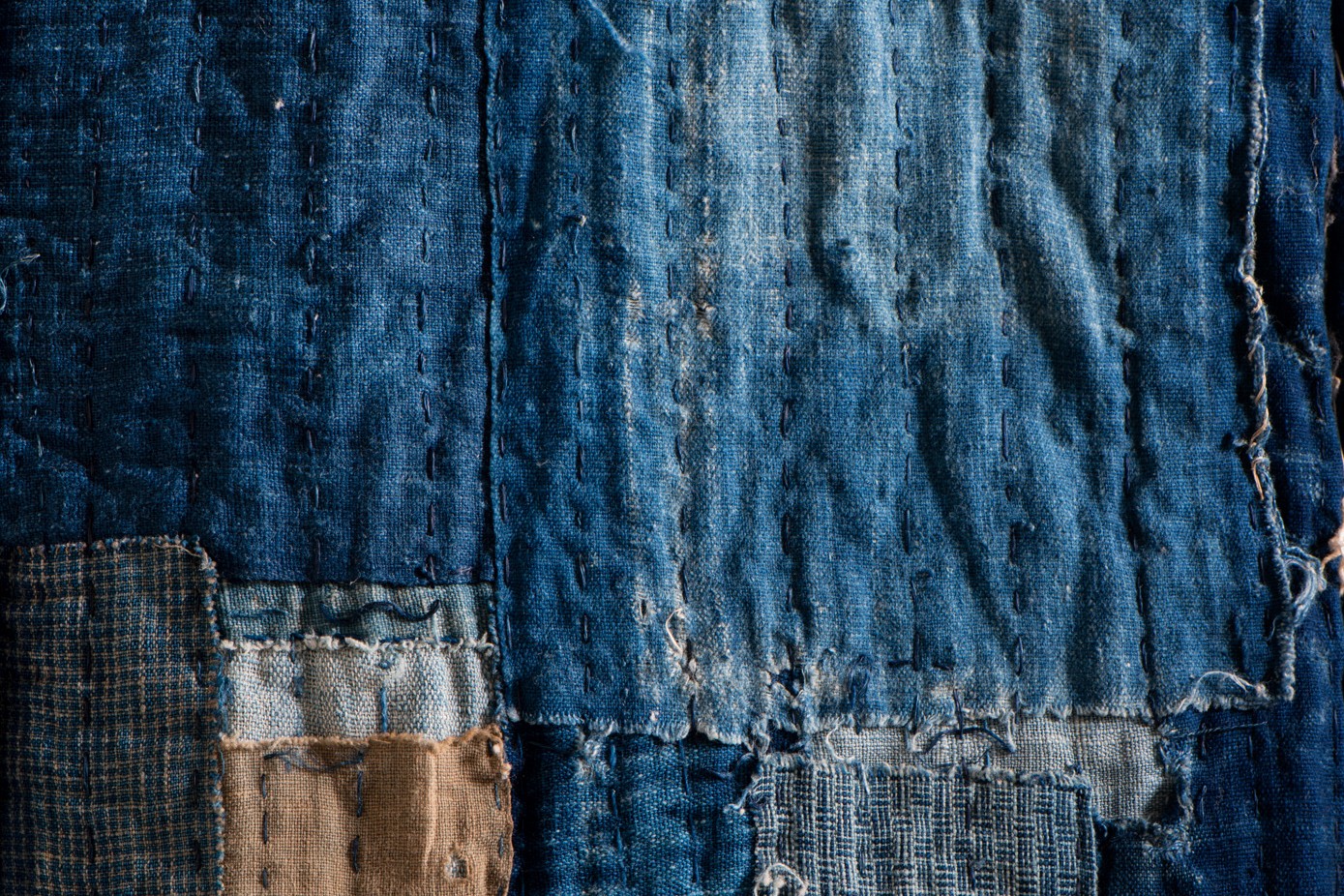
There is something revealing about a well-worn piece of clothing.
A pair of jeans softened through years of use. A jacket whose cuffs have gradually faded. A wool jumper repaired with a small patch of contrasting thread.
These details tell stories that new garments cannot.
They reveal the passing of time, the habits of the wearer and the relationship that develops between a person and something they choose to keep.
For much of history, repairing clothing was an ordinary part of life.
Fabric was valuable. Garments required considerable labour to produce, and replacing them was not always practical or affordable.
A damaged sleeve could be patched. A worn heel reinforced. A tear carefully stitched until the fabric could be worn again.
Today, the relationship between clothing and repair has changed dramatically.
In an industry increasingly associated with rapid production and short-lived trends, replacing a damaged garment can sometimes appear easier than repairing it.
Yet a renewed interest in traditional sewing skills, visible mending and garment restoration is challenging that assumption.
Clothing repairs are no longer always something to conceal.
Sometimes, they become the most interesting part of the garment.
When Clothes Were Made to Last
Before industrial manufacturing transformed the fashion industry, clothing represented a significant investment of time, materials and labour.
Fabrics needed to be produced, cut and sewn. Garments were often made or adjusted to accommodate particular individuals, and their value encouraged continued use.
Repairing clothing was therefore an important domestic skill.
A small tear did not necessarily mean the end of a garment's useful life.
Buttons could be replaced, seams strengthened and damaged areas reinforced.
Woollen clothing was frequently darned, with new threads woven across holes or worn sections to reconstruct the fabric.
Other garments were altered as fashions changed or as they passed between different members of a household.
A dress might be reshaped to suit a new silhouette.
A coat could be shortened.
Fabric from an older garment might be used to create something entirely different.
These practices were not always motivated by sentiment or environmental awareness.
Often, they reflected economic necessity.
But they also demonstrate a relationship with clothing that differs considerably from the modern expectation of constant replacement.
A garment could change repeatedly throughout its life.
Its original design was not necessarily its final form.
Japan and the Art of Boro
Few textile traditions communicate the visual possibilities of repair as powerfully as Japanese boro.
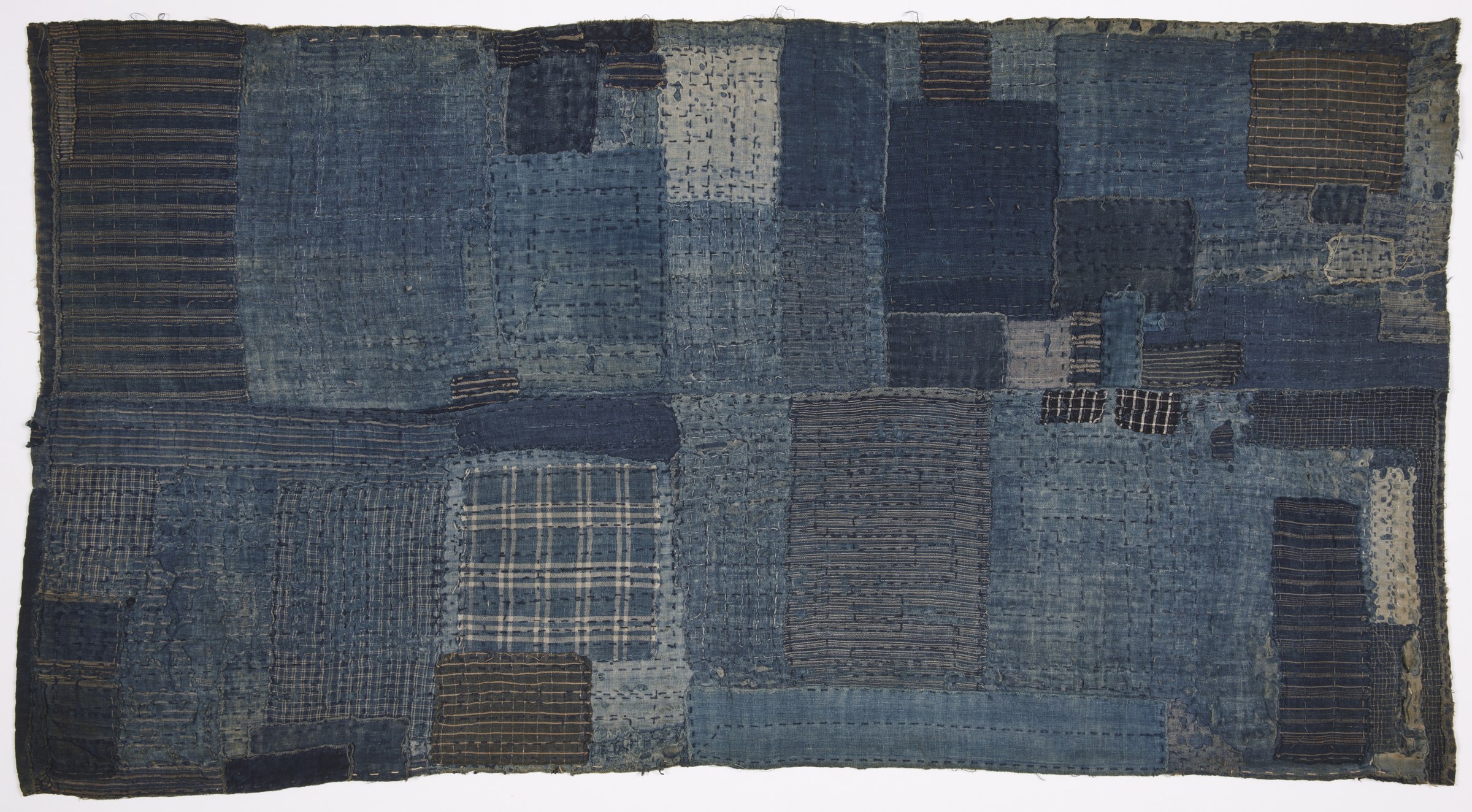
The term is associated with worn and repeatedly mended textiles, particularly those historically produced in rural communities in northern Japan.
During the nineteenth and early twentieth centuries, clothing and household fabrics could be difficult to replace, especially among families with limited financial resources.
Textiles were preserved through repeated use.
Worn sections were covered with patches.
Additional layers of cloth provided warmth and strength.
Fragments from older garments could be incorporated into newer arrangements.
Over time, individual pieces developed intricate compositions of overlapping materials.
Different shades of indigo, faded cotton and textured fabric created patterns that were rarely planned as purely decorative designs.
Their appearance emerged gradually.
Each repair responded to a particular practical need.
One section had become thin.
Another had torn.
A new piece of fabric was available and could provide additional protection.
The resulting textiles often display extraordinary visual complexity.
Patches vary in size and shape. Stitches follow different directions. Colour changes across surfaces according to the age and origin of the materials.
Today, surviving examples are collected and exhibited as important pieces of textile history.
Their visual character has also influenced contemporary designers.
But understanding their origins is essential.
Boro was not originally a luxury fashion movement.
It developed through necessity, thrift and the determination to make limited materials last.
Its contemporary aesthetic appeal should not obscure the difficult circumstances that helped produce it.
The Language of the Stitch
Closely associated with traditional Japanese textile repair is sashiko, a form of stitching used for reinforcement and decoration.
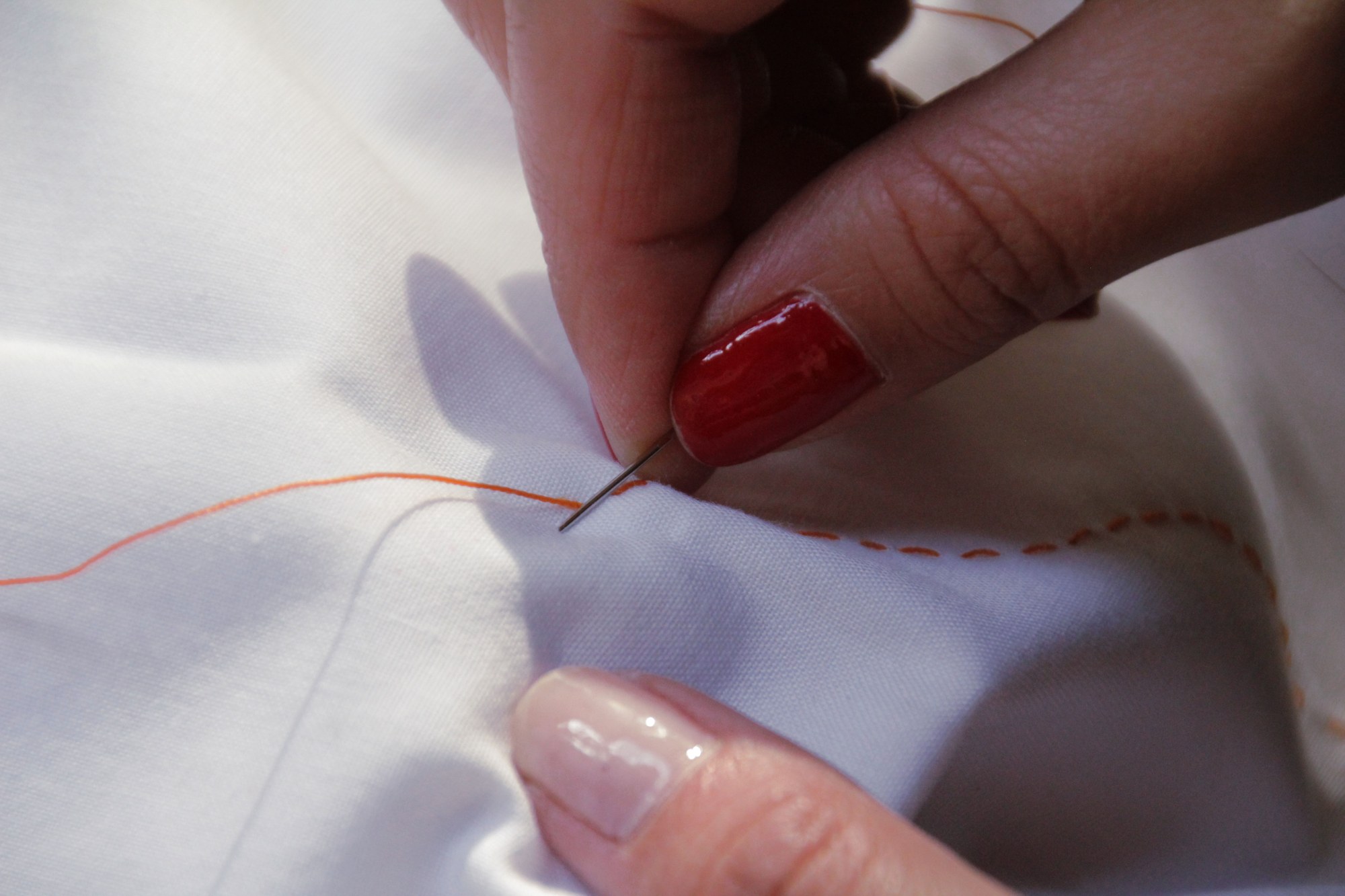
The technique commonly employs repeated running stitches arranged across fabric.
These stitches can strengthen worn areas, hold layers together or create geometric patterns.
On indigo-dyed cloth, pale stitching produces a particularly recognisable contrast.
The visual effect can be striking.
Small, repeated marks form lines, grids and carefully organised arrangements.
But sashiko is not simply another name for boro.
Boro describes textiles shaped by repeated wear, patching and reuse, while sashiko refers to a stitching technique that can be used for a variety of purposes.
The distinction reflects the relationship between material, process and history.
A patched garment may contain sashiko stitching.
A decorative sashiko design does not automatically make something boro.
These traditions demonstrate how techniques developed for practical purposes can acquire considerable aesthetic significance.
A stitch can provide strength while also contributing to the visual character of a garment.
A patch can protect a damaged area while introducing a new colour, shape or texture.
The repair becomes part of the design.
And the garment develops an appearance that could not have existed when it was first made.
The Stories Hidden in Museum Collections
In Amsterdam, the Rijksmuseum's exhibition WORN, presented from March 2026 to March 2027, offers a revealing perspective on the historical life of clothing.
The exhibition brings together twenty-four garments and accessories dating from 1640 to 1930.
Rather than concentrating exclusively on pristine examples of historic fashion, it explores clothing that has been worn, altered and reused.
Signs of repair become part of the story.
A nineteenth-century blue taffeta dress reveals how garments could be adapted repeatedly through changes to their construction.
An eighteenth-century dress associated with the Six family was altered for later generations, allowing it to continue being worn long after its original creation.
These objects challenge the assumption that historic fashion consisted entirely of carefully preserved garments maintained in their original condition.
Clothing was frequently modified.
People adapted what they owned according to changing needs, personal circumstances and fashionable expectations.
The evidence can be surprisingly intimate.
A reconstructed seam reveals a practical decision.
A repaired surface suggests repeated use.
An alteration provides clues about a garment's relationship with different wearers.
In this sense, clothing can function almost like a personal archive.
The fabric records a history that extends beyond the intentions of its original designer.
When Repair Becomes Decoration
Traditional mending often aimed to make damage less visible.
A carefully matched thread could help a repair disappear into the surrounding fabric.
A patch might be placed discreetly on the inside of a garment.
The objective was to restore the original appearance as closely as possible.
Visible mending takes a different approach.
Rather than concealing the repair, it makes the intervention part of the garment's identity.
A contrasting thread might trace the shape of a tear.
A colourful patch could cover a worn knee.
An embroidered pattern might transform a damaged sleeve into something visually distinctive.
The result is not necessarily an attempt to reproduce the garment's original condition.
Instead, the repair adds another layer to its appearance.
This creates an interesting relationship between necessity and personal expression.
Two people repairing identical garments might produce completely different results.
One could favour a subtle, carefully matched stitch.
Another might choose bold colour and deliberate contrast.
The original garment provides the starting point.
The wearer contributes something new.
Visible mending also challenges conventional expectations about perfection.
Fashion photography frequently presents clothing as immaculate.
Surfaces appear untouched.
Materials look new.
Construction details are carefully controlled.
A visibly repaired garment offers another kind of beauty.
Its appearance acknowledges use rather than attempting to erase it.
Why We Become Attached to Clothes
Not every garment is worth repairing for purely financial reasons.
Sometimes, the decision is emotional.
A jacket might have accompanied its owner through years of travel.
A favourite jumper could be associated with a particular period of life.
A coat inherited from a family member may possess a significance that has little relationship with its market value.
These connections influence how people treat the objects they own.
A damaged garment with no personal meaning may be easy to replace.
An otherwise ordinary piece of clothing associated with important memories can be much harder to discard.
Repairing it becomes a way of preserving the relationship.
This emotional dimension is particularly interesting because clothing occupies such an intimate place in everyday life.
Garments move with us.
They respond to our bodies and become familiar through repeated use.
Materials gradually soften.
Creases develop in recognisable places.
A garment can begin to feel distinct from another item produced to exactly the same specifications.
These differences may be considered imperfections from a manufacturing perspective.
For the wearer, they can become qualities worth preserving.
Repair allows that relationship to continue.
The Fashion Industry Rediscovers Repair
The renewed interest in clothing repair is not limited to individuals working with a needle and thread.
Fashion businesses have increasingly begun exploring services that extend the useful life of their products.
Some offer professional repairs, alterations or replacement components.
Others support resale platforms, garment restoration and the refurbishment of previously owned clothing.
Outdoor clothing company Patagonia is among the businesses that have established programmes focused on keeping garments in use.
Its Worn Wear initiative combines second-hand sales with repair services and practical guidance on garment care.
The approach reflects a broader question facing the fashion industry.
What happens if the relationship between a brand and its customers continues after the initial purchase?
Traditionally, much of fashion's commercial model has depended on encouraging customers to buy new products.
Seasonal collections introduce different styles, colours and materials.
Advertising creates interest in what comes next.
Repair and resale services suggest another possibility.
A company could generate value by helping customers retain existing products rather than relying exclusively on selling replacements.
This does not automatically make a fashion business sustainable.
The environmental consequences still depend on manufacturing practices, overall production volumes, transport and consumer behaviour.
But the development represents an important change in how some companies think about the useful life of clothing.
The Economics of Keeping Things
Repairing clothing sounds straightforward in principle.
In practice, the economics can be difficult.
A professional alteration or repair requires skilled labour.
The work may involve careful assessment, specialist equipment and considerable time.
For an inexpensive garment, the repair cost can approach or exceed the price of buying a replacement.
This creates a fundamental challenge.
New clothing is often produced through international supply chains designed to manufacture large quantities at low unit costs.
Professional repair is frequently a more individual service, involving work that cannot always be automated or standardised.
The comparison places repair at a disadvantage.
In May 2026, the Ellen MacArthur Foundation published research examining the economic barriers affecting clothing resale and repair.
Its findings highlighted how existing economic structures can favour producing new garments over keeping existing ones in circulation.
The issue extends beyond individual purchasing decisions.
Taxes, business models, labour costs and access to repair services all influence whether extending a garment's life is practical.
Making repair more common therefore requires more than encouraging consumers to make better choices.
It also involves creating conditions in which repairing clothing becomes accessible and economically realistic.
The future of garment longevity depends partly on how clothing is designed, sold and supported after purchase.
A Different Idea of Luxury
Repair also raises an interesting question about the meaning of luxury.
Traditionally, luxury fashion has been associated with exceptional materials, sophisticated craftsmanship, exclusivity and carefully controlled presentation.
A new garment may be valued partly because of its flawless appearance.
Yet there is another way to understand quality.
A well-made coat that can be maintained for decades may offer a different form of luxury from one that is visually impressive but difficult to repair.
A leather bag that develops a distinctive patina can become more personally meaningful through use.
A pair of carefully restored shoes may retain qualities that their owner has come to appreciate over many years.
These objects are not necessarily valuable because they remain unchanged.
Their appeal can develop through continued ownership.
This does not mean that all worn clothing becomes more beautiful with age.
Some materials deteriorate poorly.
Some repairs compromise comfort or appearance.
Others are simply impractical.
But the possibility of maintenance should be considered part of a product's design quality.
A garment that can be repaired has opportunities for a longer useful life.
And that longevity can create a relationship extending beyond the excitement of the original purchase.
Perhaps genuine quality is not only about how something looks when it is new.
It is also about how well it responds to being lived in.
The Skills We Risk Forgetting
The return of mending also draws attention to practical knowledge that has become less common in many households.
Sewing on a button was once an ordinary task.
Replacing a loose seam, shortening trousers or repairing a small tear could be completed at home with relatively simple tools.
Today, many people have little experience performing these repairs.
The reasons are varied.
Clothing has become more affordable in many markets.
Domestic education has changed.
Time pressures and convenient access to replacement products can make repairs seem unnecessary.
Yet the skills themselves remain valuable.
Understanding how a garment is constructed can change how we evaluate its quality.
Examining a seam reveals the relationship between fabric and stitching.
Replacing a button demonstrates how a small component contributes to the function of an entire garment.
Repairing a tear requires consideration of tension, material strength and the movement of the body.
These skills also create greater awareness of the work involved in clothing production.
A finished garment can appear deceptively simple.
But even an ordinary shirt represents numerous decisions about pattern cutting, stitching, fit and construction.
Learning to repair clothing provides a small insight into that wider process.
It encourages a more thoughtful relationship with the objects we use every day.
The Future Is Not Always New
Fashion will continue to evolve.
Designers will introduce new ideas, materials and silhouettes. Technology will influence manufacturing. Cultural movements will reshape the way people choose to dress.
Innovation remains an essential part of the industry's identity.
But progress does not always require replacing what already exists.
Sometimes, it comes from discovering new possibilities within something familiar.
A damaged garment can be restored.
A worn surface can become a distinctive detail.
An older piece can be adapted to suit another person or another stage of life.
The traditions of boro and sashiko demonstrate how practical techniques can produce extraordinary visual results.
Historic garments preserved in museums reveal relationships between people, materials and generations.
Contemporary repair initiatives suggest that the fashion industry is beginning to reconsider the value of clothing after its initial sale.
These examples do not offer a complete solution to fashion's environmental and social challenges.
But they encourage a different way of thinking.
Clothing does not need to be treated as finished simply because it has been worn.
Its useful life can extend through care, adaptation and repair.
And the marks accumulated along the way need not always be viewed as imperfections.
They can be evidence of something more meaningful.
Time spent.
Places visited.
Experiences remembered.
A garment may begin as the product of a designer's imagination.
But through years of use, it becomes part of somebody else's story.
And sometimes, the most interesting chapter begins with a needle, a piece of thread and the decision to wear it again.
Further Reading
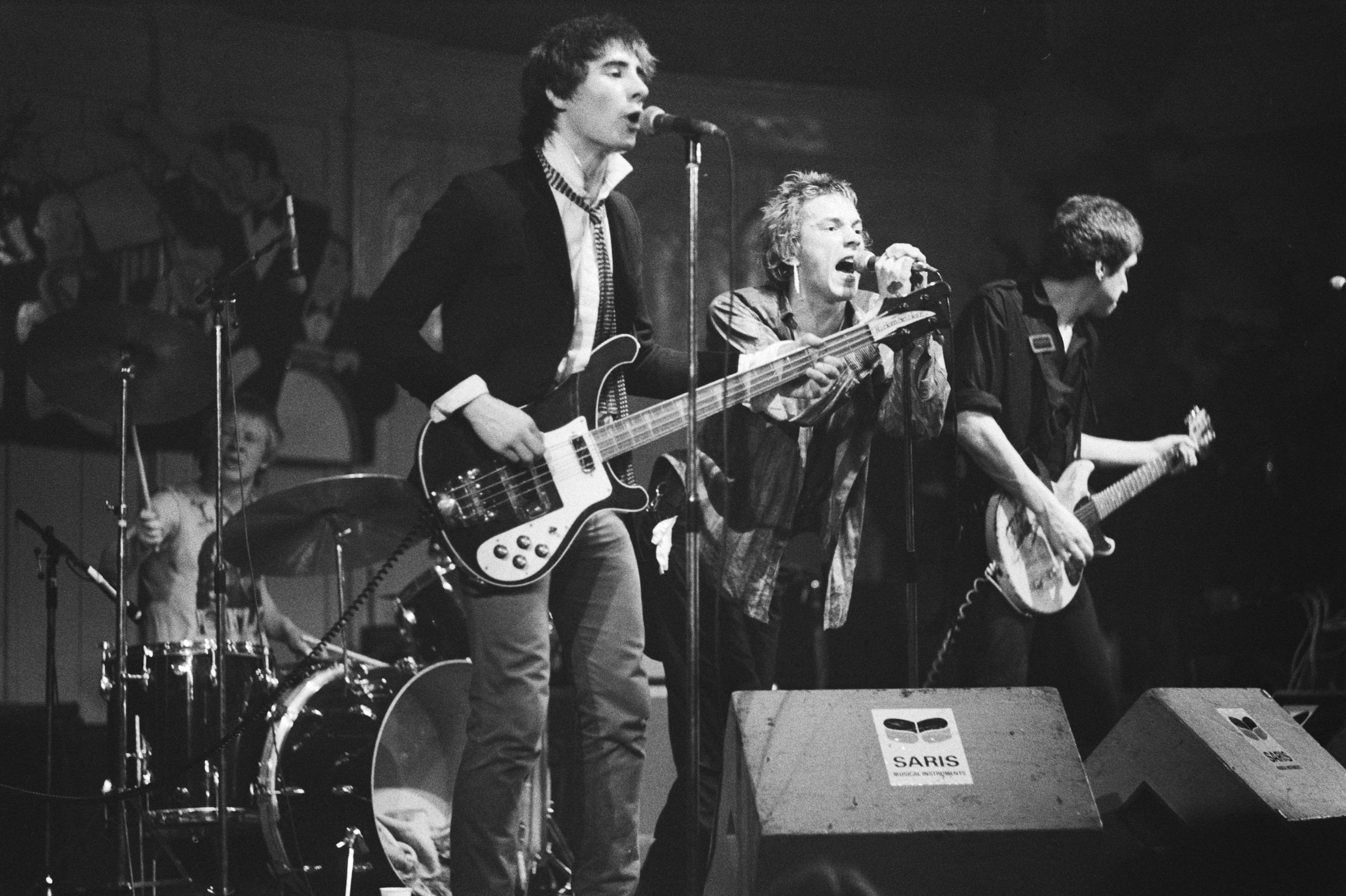
Dressed to Belong: How Subcultures Changed Fashion
From Mods and punk to hip-hop and skateboarding, how communities transformed clothing into expressions of identity and belonging.
The Shape of Fashion
From Dior’s sculpted waistlines to broad shoulders and oversized tailoring, how the outline of clothing reflects culture, identity and personal style.
By Culturefold Editors
From Function to Fashion
Jeans, trench coats, T-shirts and trainers began as practical clothing. How did they become the enduring icons of how we dress?
By Culturefold Editors