
The Pocket: Fashion's Smallest Revolution
From embroidered pouches hidden beneath eighteenth-century skirts to the riveted denim of American workwear, the humble pocket reveals a surprising history of style, independence and everyday freedom.
There is a familiar moment when somebody tries on a new piece of clothing.
They admire the fit, check the fabric and turn slightly towards the mirror.
Then their hands move towards the sides.
Does it have pockets?
For such a small detail, the answer can make an extraordinary difference.
A pocket provides somewhere to put a phone, a set of keys or a few everyday possessions. It allows us to move without carrying a bag and offers a place to rest our hands.
Its usefulness is so familiar that we rarely consider how much influence it has over the way we dress.
Yet the history of pockets is considerably more interesting than their modest appearance suggests.
Across centuries, their design has reflected changing fashions, social expectations, manufacturing techniques and differences in the clothing made for men and women.
At certain moments, pockets were carefully concealed beneath layers of fabric.
At others, they became prominent features of garments designed for physical work.
Today, they can be practical, decorative or entirely imaginary, represented by stitching without providing any actual storage.
The pocket may be one of fashion's smallest components.
But its history reveals some surprisingly large ideas.
When Pockets Were Separate from Clothing
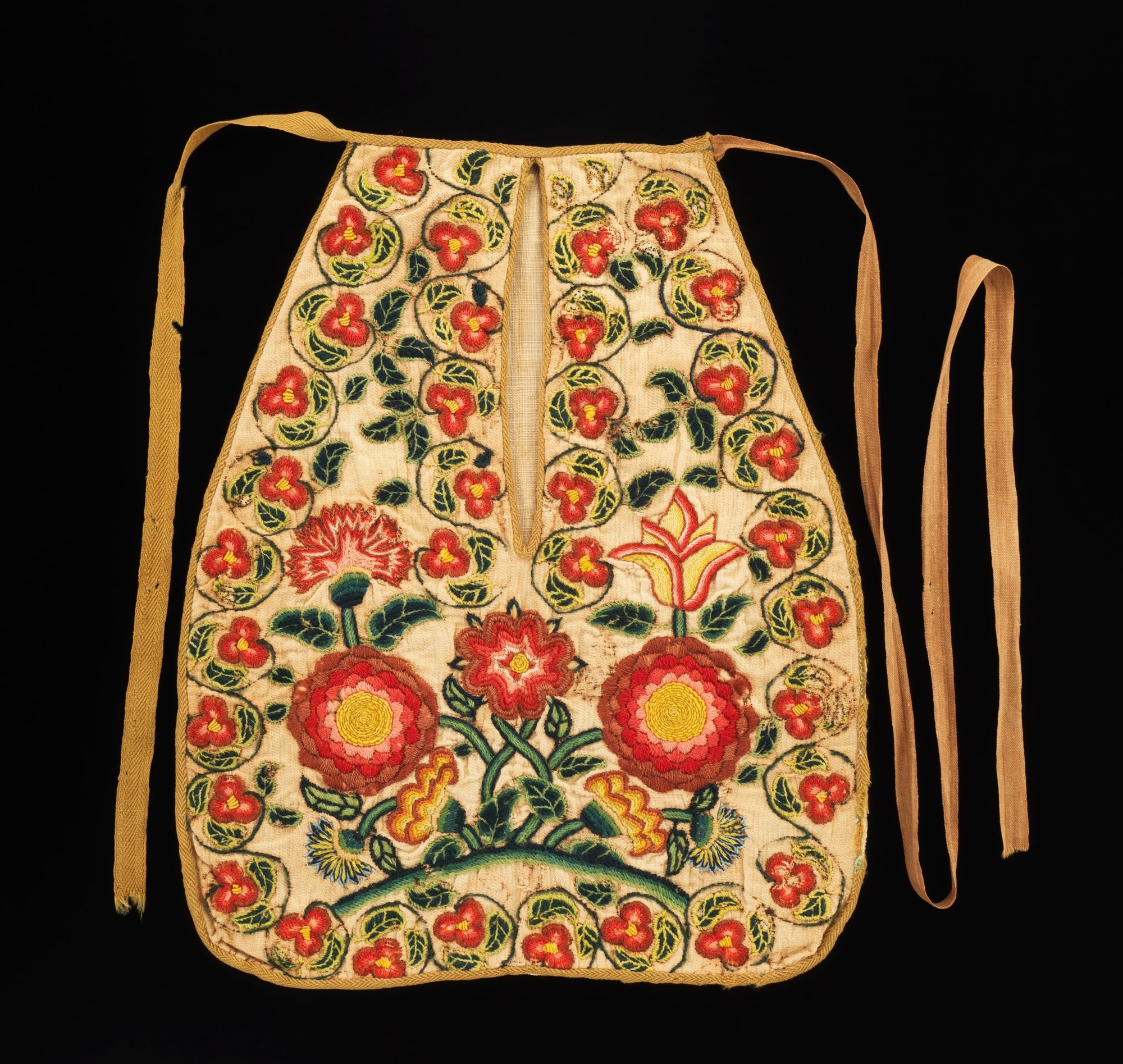
During the seventeenth and eighteenth centuries, many European women carried their belongings in an accessory that would appear unusual to modern eyes.
The tie-on pocket.
Rather than being sewn into a garment, these pockets were separate fabric pouches secured around the waist with ribbons or ties.
They were commonly worn beneath skirts and petticoats, with openings in the clothing allowing the wearer to reach inside.
Some were made from plain, durable materials.
Others featured elaborate embroidery, decorative stitching and carefully selected fabrics.
The designs could be beautiful.
Floral patterns, colourful threads and ornamental details transformed a practical accessory into a piece of personal craftsmanship.
But their size is perhaps the most surprising detail.
Surviving examples in museum collections demonstrate that these pockets could be remarkably spacious.
Some measured around forty centimetres in length.
They offered considerably more storage than many modern clothing pockets.
Women used them to carry money, keys, sewing equipment, letters and personal possessions.
In a world where clothing frequently required considerable labour to produce, a detachable pocket also offered flexibility.
It could be worn with different outfits, repaired independently and replaced without altering the garments surrounding it.
The arrangement was practical, adaptable and surprisingly sophisticated.
A Private Space Hidden in Fabric
The value of a tie-on pocket extended beyond convenience.
It also provided a small area of privacy.
Letters could be kept close to the body.
Money could be carried discreetly.
Personal objects could remain hidden beneath outer garments.
For women living in societies where financial and social independence was often restricted, this private storage could be significant.
The contents of surviving pockets have provided historians with valuable insights into everyday life.
They reveal the kinds of objects people considered important enough to carry.
They also challenge the assumption that ordinary domestic accessories have little historical significance.
A pocket might contain practical tools alongside sentimental keepsakes.
Its contents could reflect work, family responsibilities, personal relationships and individual habits.
These objects rarely appear in the grand narratives of fashion history.
They are not elaborate gowns or internationally celebrated designs.
Yet they tell us something equally important.
What people actually needed from their clothing.
The Silhouette Changes Everything
Towards the end of the eighteenth century, European women's fashion began moving towards slimmer silhouettes.
The full skirts that had concealed large tie-on pockets became less dominant among fashionable dressers.
Lighter fabrics and narrower shapes created different expectations about how clothing should fall around the body.
A substantial pouch worn beneath such garments could interrupt the intended appearance.
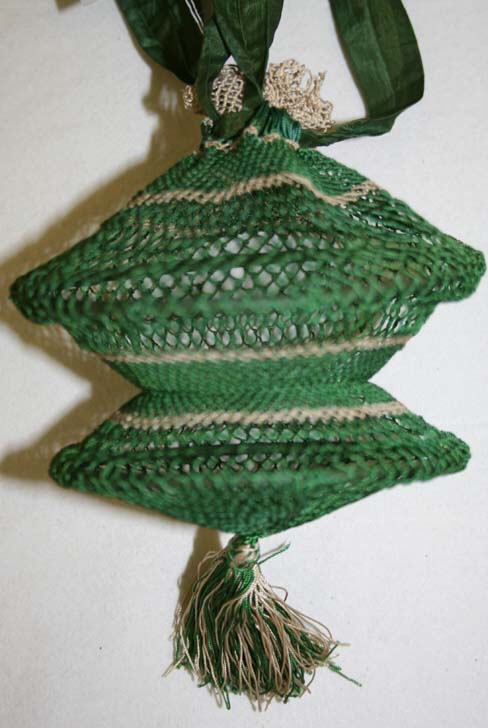
The result was a growing interest in smaller bags carried outside clothing.
One of these accessories became known as the reticule.
Often made from fabric and carried by hand or suspended from the wrist, the reticule offered an alternative to the concealed pocket.
Some were carefully embroidered or decorated to complement an outfit.
Others were relatively plain.
Their development reflected a familiar tension within fashion.
The practical needs of the wearer had not disappeared.
People still required somewhere to carry their possessions.
But changing ideas about the fashionable silhouette influenced how those needs could be accommodated.
The bag became increasingly visible.
The pocket, previously an adaptable and often spacious accessory, became less compatible with certain styles of dress.
It was not a universal change. Tie-on pockets continued to be used by many women well into the nineteenth century.
But the shift demonstrated how quickly fashion could alter the relationship between clothing and practicality.
Why Men's Pockets Developed Differently
During the same broad period, men's clothing followed a different path.
Coats, waistcoats and breeches commonly incorporated pockets directly into their construction.
These features became established elements of European tailoring.
An eighteenth-century coat might contain carefully positioned pockets with decorative flaps.
Their shape and placement contributed to the garment's overall appearance.
But they also served practical purposes.
Money, documents, handkerchiefs and other possessions could be carried without requiring a separate bag.
The difference between men's and women's clothing was not absolute.
Both used bags and pockets in various forms.
Yet the development of sewn-in pockets became much more consistent within menswear.
This distinction would have lasting consequences.
As tailored jackets and trousers became familiar elements of men's wardrobes, functional pockets were increasingly treated as expected features.
In women's fashion, the situation remained more variable.
Some garments incorporated useful pockets.
Others offered little or no storage.
And in certain designs, the appearance of a pocket mattered more than whether it could hold anything.
The difference reveals how clothing design can reflect assumptions about the lives of the people expected to wear it.
The Small Invention That Changed Denim
In 1873, a practical improvement to work trousers helped establish one of fashion's most enduring garments.
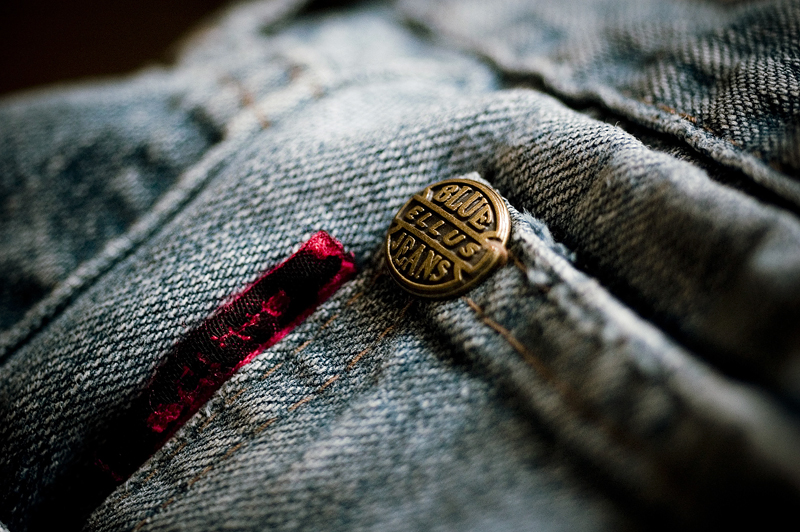
Tailor Jacob Davis and businessman Levi Strauss received a United States patent for reinforcing pocket openings and other points of strain using metal rivets.
The idea addressed a familiar problem.
Workers needed clothing capable of withstanding demanding physical activity.
Traditional seams and pocket corners could tear under repeated pressure.
Small copper rivets strengthened those vulnerable areas.
The innovation was straightforward, but its consequences were extraordinary.
The reinforced trousers developed into the denim jeans recognised around the world today.
Early versions featured four pockets.
Two appeared at the front, alongside a small pocket originally intended for a watch.
A single pocket occupied the back.
The second rear pocket was introduced in 1901, creating the familiar five-pocket arrangement.
More than a century later, the basic design remains remarkably recognisable.
The tiny watch pocket still appears on many jeans, even though pocket watches have largely disappeared from everyday use.
It has become a historical detail preserved within contemporary clothing.
The rivets remain equally significant.
Originally introduced for durability, they also contribute to the visual identity of denim.
The history of jeans demonstrates how an engineering solution can eventually become a fashion tradition.
When Practicality Becomes Style
The relationship between pockets and workwear did not end with denim.
Military uniforms, protective clothing and garments designed for outdoor activities developed numerous approaches to storage.
Additional compartments could accommodate equipment, documents and practical tools.
Their placement reflected the circumstances in which the clothing would be worn.
Over time, these functional ideas entered mainstream fashion.
Cargo trousers offer a particularly familiar example.
Large pockets positioned on the legs became defining visual features, even when the garments were worn primarily for casual or recreational purposes.
A detail originally associated with utility acquired a different cultural identity.
The same transformation can be seen in field jackets, safari-inspired clothing and modern technical outerwear.
Their pocket arrangements often communicate practicality before the garment has been used.
A jacket with several visible compartments suggests activity, preparation and movement.
Its design tells a story.
Sometimes, the wearer needs those features.
Sometimes, they simply appreciate the appearance.
Fashion has a remarkable ability to transform functional solutions into visual symbols.
The pocket is one of its clearest examples.
Claire McCardell and Clothes for Real Life
During the twentieth century, some designers began challenging established expectations about women's clothing.
American designer Claire McCardell was particularly influential.
Her work emphasised comfort, movement and garments suited to everyday activity.
Rather than treating fashion as something intended primarily for formal presentation, she considered how clothing would be worn in ordinary life.
Pockets became an important part of that approach.
Her designs frequently incorporated practical storage, sometimes using generous patch pockets or carefully positioned openings within seams.
The famous Popover dress, introduced in 1942, combined a relaxed silhouette with the practical demands of domestic life.
Its large pocket was a distinctive feature.
The approach was both practical and expressive.
McCardell understood that a pocket could affect how somebody carried themselves.
It provided somewhere to rest a hand.
It changed the way the body interacted with the garment.
And it offered useful storage without requiring an additional accessory.
This was a different understanding of fashionable clothing.
Function did not need to compete with elegance.
It could contribute to it.
The Pocket That Isn't There
One of the more frustrating details in contemporary clothing is the false pocket.
A garment appears to contain a useful opening.
There may be carefully arranged stitching, a flap or a decorative welt.
Yet closer inspection reveals that the feature is too shallow to hold anything or has no pocket bag at all.
Sometimes, functional pockets are temporarily stitched closed for presentation and can be opened.
In other cases, the detail is purely decorative.
The practice is not always the result of careless design.
Pockets can influence the way fabric hangs against the body.
A substantial pocket bag may create bulk beneath a slim garment.
Designers may prioritise a particular silhouette or wish to reduce the number of components required for production.
But these choices can create compromises for the wearer.
A pair of trousers may look beautifully tailored while providing almost nowhere to carry ordinary possessions.
The issue is particularly familiar within women's fashion, where limited pocket space remains a frequent complaint.
It reflects an unresolved relationship between appearance and everyday usefulness.
Fashion continues to celebrate beautiful objects.
But clothing is also something people must live in.
What We Carry Has Changed
The contents of our pockets reveal how everyday life has evolved.
A century ago, a pocket might have held coins, a watch, a handkerchief or a small notebook.
Today, a smartphone often dominates the available space.
Keys, wireless earphones, cards and other small objects compete for whatever room remains.
The devices we carry have changed.
So have the expectations placed upon clothing.
A modern pocket needs to accommodate objects that earlier designers could not have anticipated.
A phone requires sufficient depth to remain secure.
A wallet may need to fit without creating uncomfortable bulk.
Cyclists, commuters and people moving between different activities may have entirely different preferences.
These practical demands create new opportunities for garment design.
Hidden compartments, secure closures and carefully positioned storage can make clothing more useful.
But additional features do not automatically improve a product.
Too many pockets can add unnecessary weight or visual complexity.
The challenge is understanding what the wearer actually needs.
The best design is rarely the one containing the greatest number of compartments.
It is the one that makes carrying ordinary possessions feel effortless.
The Freedom of Empty Hands
Perhaps the most interesting quality of a pocket is something we rarely notice.
It allows our hands to remain free.
That freedom affects how we move through the world.
We can carry a small collection of essentials without holding them.
We can walk, work, travel and interact with our surroundings more easily.
This may sound insignificant.
But repeated across everyday activities, the effect is substantial.
The history of pockets demonstrates that small design decisions can influence personal independence.
A spacious tie-on pocket allowed its wearer to keep important possessions close.
A reinforced denim pocket helped work clothing withstand demanding use.
A practical pocket in a modern dress or jacket can remove the need for an additional bag.
These benefits differ in scale and circumstance.
Yet they share a simple principle.
Good clothing should respond to the realities of the person wearing it.
The Detail That Reveals Everything
Fashion history is often told through dramatic changes.
The arrival of a new silhouette.
The influence of a celebrated designer.
The popularity of a particular fabric or style.
But sometimes, the most revealing stories are hidden within ordinary construction details.
A pocket can tell us about the social expectations of an era.
Its size reveals something about the possessions people carried.
Its position reflects how a garment was intended to be worn.
Its materials and stitching demonstrate the manufacturing techniques available to its maker.
And its presence, or absence, offers clues about the priorities behind the design.
From embroidered pouches worn beneath eighteenth-century skirts to the riveted denim of nineteenth-century workwear, the pocket has continually adapted.
It has been concealed, celebrated, reduced, reinforced and occasionally removed entirely.
Yet its basic purpose remains unchanged.
To give the wearer a small, useful space of their own.
Perhaps that is why discovering a genuinely good pocket can feel so satisfying.
It demonstrates that somebody considered not only how the garment should look, but how it would be used.
A little space has been set aside for everyday life.
And sometimes, that is the most thoughtful detail of all.
Further Reading

Beyond the Runway: When Fashion Became a Spectacle
From intimate Parisian salons to theatrical productions watched around the world, how the fashion show evolved into one of the most influential stages in contemporary culture.
By Culturefold Editors
Dressed to Belong: How Subcultures Changed Fashion
From Mods and punk to hip-hop and skateboarding, how communities transformed clothing into expressions of identity and belonging.
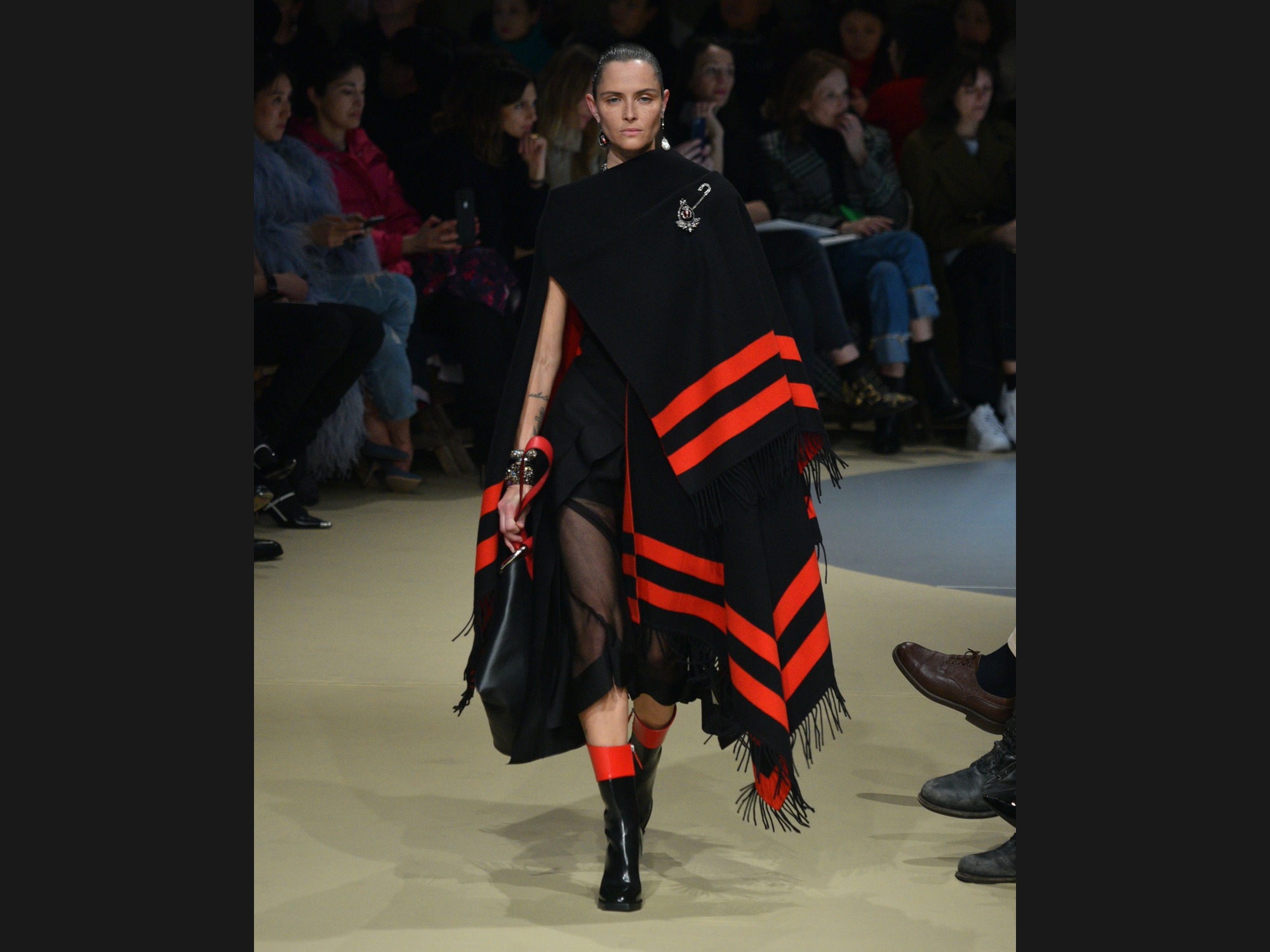
The Shape of Fashion
From Dior’s sculpted waistlines to broad shoulders and oversized tailoring, how the outline of clothing reflects culture, identity and personal style.
By Culturefold Editors