
Istanbul: Life Between Two Shores
Ferries, historic neighbourhoods and centuries of cultural exchange. Discovering a city whose identity has always been shaped by the water.
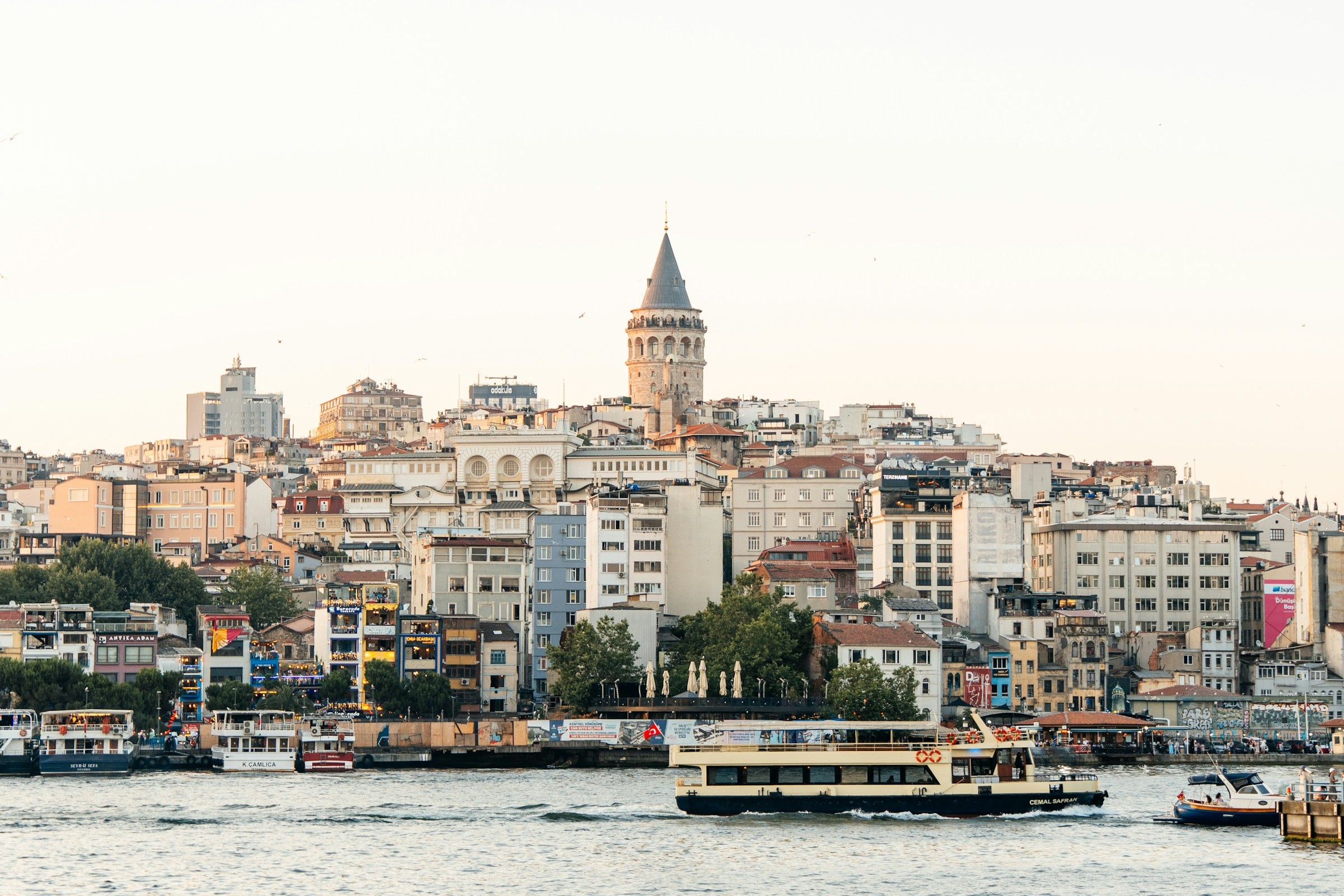
In Istanbul, the water is never far from the story.
Ferries move across the Bosphorus throughout the day, carrying passengers between neighbourhoods, continents and the different rhythms of the city. Seagulls follow in their wake. Fishing boats occupy quieter stretches of shoreline, while enormous commercial vessels pass through the strait towards the Black Sea.
Behind them rises one of the world's most recognisable skylines.
Domes and minarets appear above densely packed buildings. Historic towers stand alongside contemporary developments. Hills descend towards waterfront neighbourhoods whose streets have absorbed centuries of change.
Istanbul is frequently described as a city between Europe and Asia.
Geographically, the description is accurate. Culturally, it barely begins to explain the place.
The city's identity has been shaped by empires, merchants, migration, religion, architecture and an extraordinary variety of communities.
Yet beneath these layers of history lies something surprisingly ordinary.
People crossing the water to work. Friends meeting for tea. Families walking along the shoreline as the evening light begins to fade.
To understand Istanbul, it helps to begin not with its monuments, but with the water that connects them.
The Bosphorus: A City in Motion
The Bosphorus is more than a geographical boundary.
Connecting the Black Sea to the Sea of Marmara, the strait has influenced Istanbul's strategic importance for centuries.
Its position made the city a centre of trade, military power and cultural exchange.
Today, the water remains fundamental to daily life.
Passenger ferries connect neighbourhoods on the European and Asian shores, providing a practical alternative to travelling across the city's bridges and roads.
But the ferry offers something that ordinary public transport rarely can.
For a short period, the city becomes visible as a whole.
From the deck, passengers can watch the shoreline develop into a sequence of architectural and cultural contrasts.
Historic waterfront houses appear beside palaces, apartment buildings, mosques and modern commercial developments.
The perspective changes continuously as the boat moves.
Buildings that seemed imposing from the street become part of a much larger composition.
The skyline reveals relationships that are difficult to appreciate from within the city's narrow streets.
For visitors, a ferry crossing may be a memorable experience.
For residents, it is often simply part of the working day.
That combination of the extraordinary and the ordinary is one of Istanbul's defining qualities.
What appears remarkable to somebody arriving for the first time can be an entirely familiar element of another person's routine.
A Skyline Built Across Centuries
Istanbul's architectural identity is the result of more than fifteen centuries of monumental construction.
The city served as the capital of the Eastern Roman, or Byzantine, Empire before becoming the centre of the Ottoman Empire following the conquest of Constantinople in 1453.
Both periods left an extraordinary architectural legacy.
The Hagia Sophia, completed in 537 during the reign of Emperor Justinian I, remains among the most significant buildings of the Byzantine world.
Its vast central dome represented a remarkable achievement in engineering and architectural ambition.
Originally constructed as a cathedral, the building became a mosque following the Ottoman conquest, later served as a museum and returned to use as a mosque in 2020.
Its changing function reflects the city's complex religious and political history.
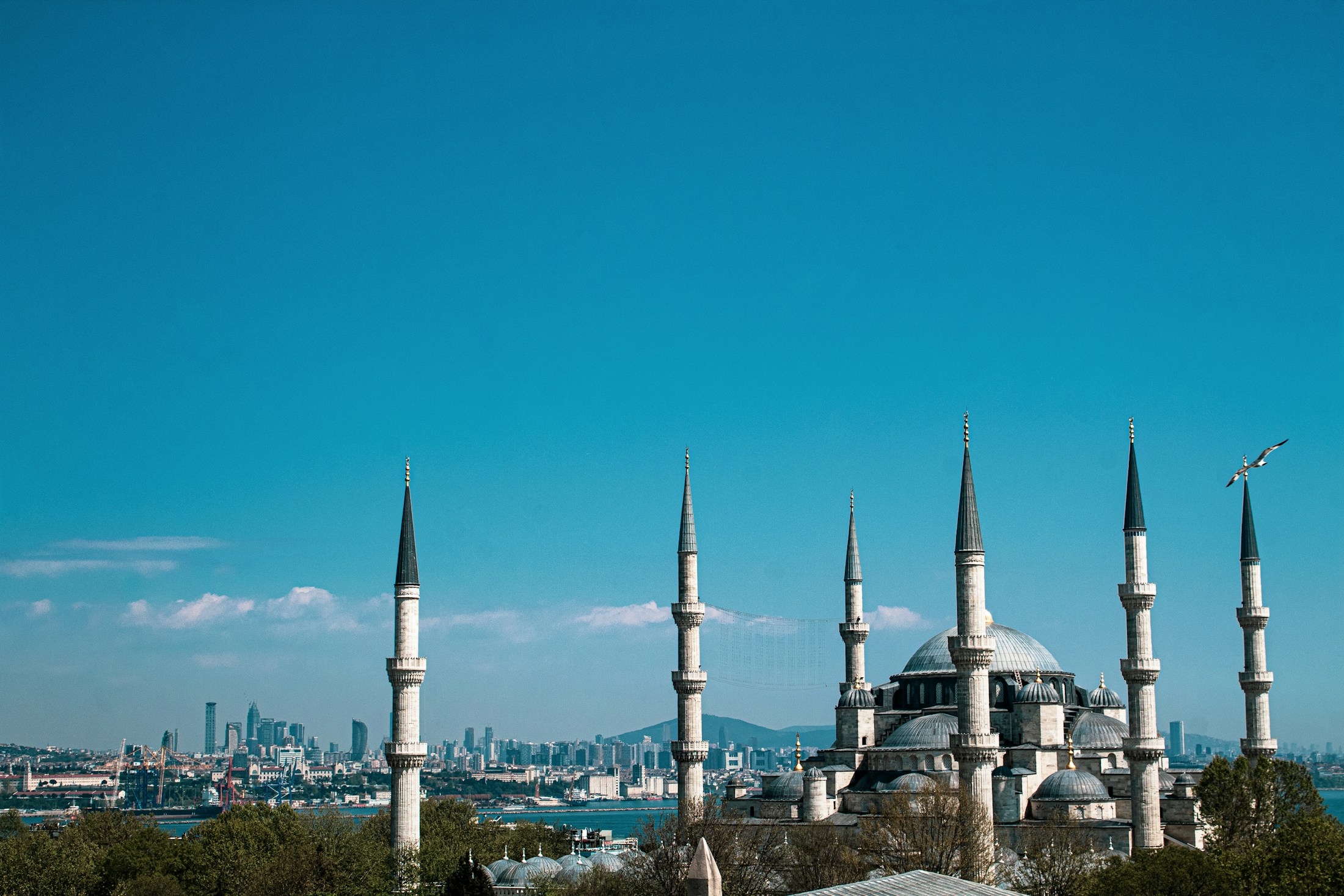
Nearby, the Blue Mosque, constructed in the early seventeenth century, contributes another defining element to the historic skyline.
Further across the peninsula, the Süleymaniye Mosque demonstrates the architectural achievements of Mimar Sinan, one of the Ottoman Empire's most influential architects.
Seen individually, these buildings are important historical monuments.
Seen together from the water, they form something more distinctive.
A skyline that records different periods of cultural, political and architectural development.
In 1985, UNESCO recognised Istanbul's historic areas as a World Heritage Site.
The designation reflects the significance of the city's surviving Byzantine and Ottoman architecture.
But Istanbul is not simply an architectural museum.
The historic skyline remains the backdrop to a densely populated, constantly changing metropolis.
That continuing relationship between the past and the present gives the city much of its character.
Karaköy: Where the Old Meets the New
Along the European waterfront, Karaköy offers a revealing example of Istanbul's ability to change without entirely losing its historical identity.
For generations, the area was associated with maritime trade, commercial activity and the movement of goods through the city.
Its location near the Golden Horn and the Bosphorus made it an important part of Istanbul's working waterfront.
Warehouses, commercial buildings and narrow streets reflected those practical purposes.
Today, Karaköy has acquired additional identities.
Contemporary galleries, cafés, restaurants and design-oriented businesses occupy parts of a neighbourhood that continues to retain traces of its commercial past.
Historic buildings stand beside renovated spaces and modern developments.
The contrast is not always seamless.
Urban transformation brings investment and opportunities, but also questions about affordability, preservation and the changing character of established communities.
Nevertheless, Karaköy provides an interesting setting in which to observe the relationship between cultural development and architectural change.
One of the area's most significant recent additions is Istanbul Modern.
The museum originally opened in 2004, becoming an important institution for modern and contemporary art in Türkiye.
In May 2023, it opened a new waterfront building designed by Renzo Piano Building Workshop.
The architecture draws inspiration from the changing light and reflections of the Bosphorus.
Its galleries and public spaces introduce a contemporary architectural presence to a historically important part of the city.
The project illustrates a broader characteristic of Istanbul.
Its cultural identity is not defined solely by the preservation of historic monuments.
New institutions and architectural ideas continue to contribute to the way the city develops.
Across the Water: A Different Rhythm
Crossing to Istanbul's Asian shore reveals another perspective.
Kadıköy is one of the city's most recognisable centres of local commerce and contemporary cultural activity.
Its streets contain markets, bookshops, cafés, independent businesses and places where residents gather throughout the day.
The atmosphere can feel noticeably different from the monumental historic districts on the European side.
Rather than being dominated by internationally famous landmarks, much of Kadıköy's appeal lies in the activities of everyday urban life.
Food markets display the ingredients of Turkish cooking.
Small shops occupy streets lined with a mixture of older and newer buildings.
Restaurants, music venues and informal meeting places contribute to the neighbourhood's social character.
Nearby, Moda offers a different relationship with the city.
Its residential streets and waterfront areas create opportunities to experience Istanbul at a less hurried pace.
Along the shore, people gather to look across the water, walk, sit and spend time with friends.
These moments reveal something that can be lost when a city is experienced only through its famous attractions.
The character of a place is shaped as much by its ordinary routines as by its most celebrated buildings.
A ferry arriving at Kadıköy is not simply delivering passengers to another destination.
It is connecting different experiences of the same city.
The Streets Behind the Landmarks
The historic peninsula contains some of Istanbul's most visited attractions.
Yet away from its major monuments, the surrounding neighbourhoods reveal another dimension of the city's architectural history.
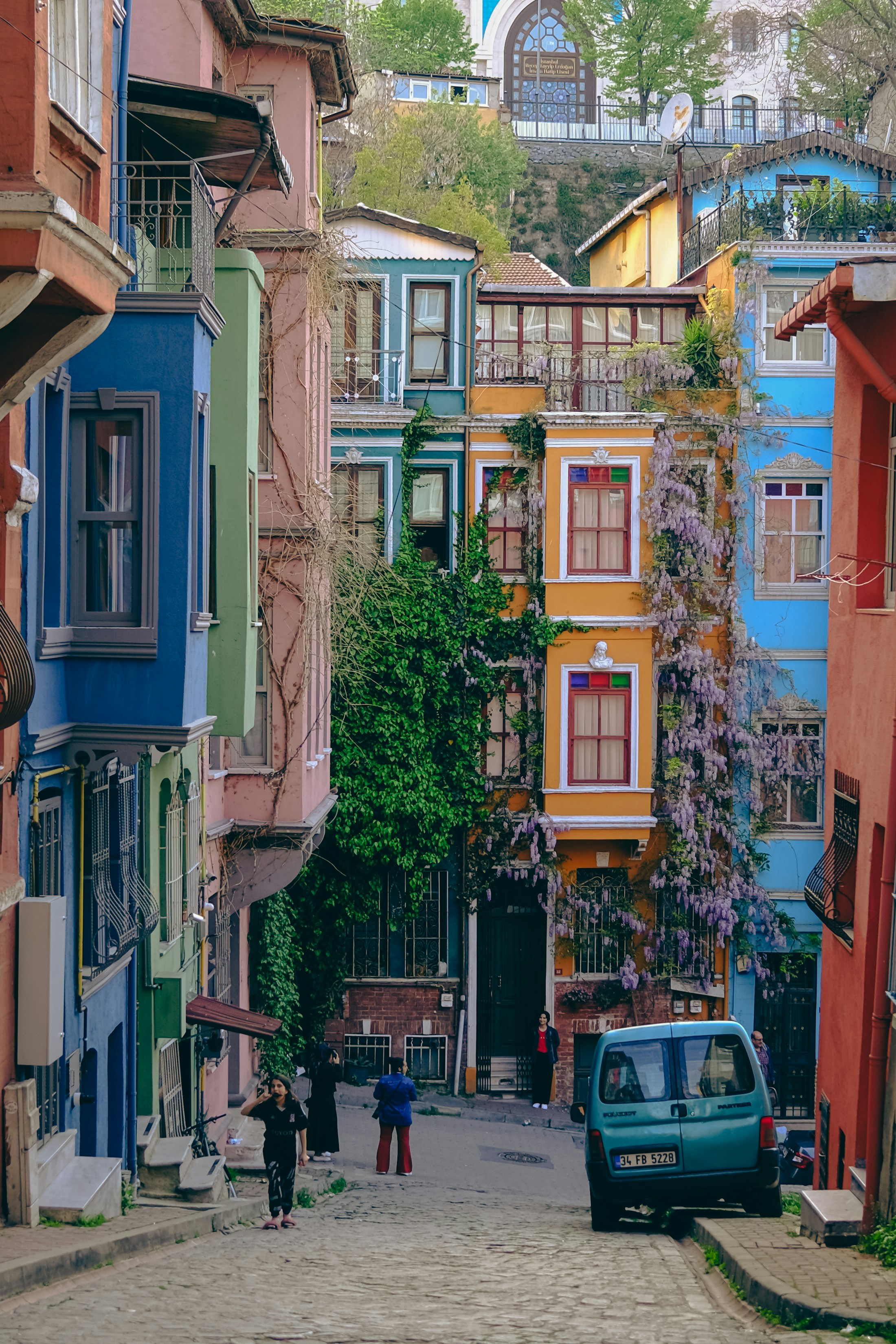
In areas such as Fener and Balat, older residential buildings, religious institutions and narrow streets reflect the neighbourhoods' complex social and cultural past.
These districts have long been associated with different communities, including Greek Orthodox and Jewish residents.
Their architecture and urban fabric preserve traces of those histories.
Colourful facades and steep streets have also made parts of the area popular subjects for contemporary photography.
But photographs rarely capture the complete character of a neighbourhood.
Behind the visually appealing streets are homes, businesses, religious institutions and communities whose histories extend well beyond their appearance on social media.
The increasing attention paid to historic neighbourhoods can create opportunities for restoration and commercial activity.
It can also place pressure on the people who have lived there for generations.
This is one of the contradictions faced by many culturally important cities.
The qualities that attract outside interest can contribute to changes that threaten the character visitors initially came to experience.
Understanding Istanbul requires recognising those tensions.
The city is not a collection of picturesque streets waiting to be discovered.
It is a living environment shaped by the needs and experiences of its residents.
The Culture of the Waterfront
Istanbul's waterfront has its own distinctive atmosphere.
At Eminönü, the movement of passengers, street vendors and local businesses creates an energetic setting around the ferry terminals.
Nearby, the Galata Bridge crosses the Golden Horn, connecting important parts of the European side of the city.
Its position creates a remarkable view of the surrounding urban landscape.
Fishing is a familiar sight along the bridge, while boats and ferries move through the waters below.
Across different parts of Istanbul, the waterfront also provides a setting for small but meaningful social rituals.
People gather over glasses of Turkish tea. Friends watch the boats moving across the strait. Families take evening walks beside the water.
These activities are not unique to Istanbul.
Waterfronts around the world often provide spaces for recreation, conversation and reflection.
What makes Istanbul distinctive is the relationship between these ordinary experiences and the extraordinary historical setting surrounding them.
A cup of tea can be enjoyed within sight of buildings that have stood for centuries.
A short ferry journey can take passengers between continents.
A familiar evening walk can unfold against a skyline shaped by different empires.
The historical and the everyday are constantly present together.
A City That Continues to Change
Istanbul's historical importance can sometimes obscure the fact that it is also an enormous contemporary city.
Its population, economic activity and urban expansion create significant demands on infrastructure, transport, housing and public space.
Historic preservation must coexist with practical questions about how millions of people live and move.
New developments alter the skyline.
Transport infrastructure changes the relationship between neighbourhoods.
Cultural institutions respond to changing expectations, while independent businesses and established communities adapt to economic pressures.
These changes are not always comfortable.
Concerns about rising living costs, development and the protection of architectural heritage form part of the city's contemporary experience.
But change has always been fundamental to Istanbul's identity.
The city has been rebuilt, expanded and reinterpreted throughout its history.
Its streets contain evidence of different societies adapting the same urban landscape to new circumstances.
The challenge is not simply to prevent change.
It is to determine how the city can evolve while retaining the cultural and architectural qualities that make it distinctive.
That requires recognising the value of historic buildings, but also the importance of the people who inhabit the spaces around them.
A city cannot preserve its identity through architecture alone.
The View From the Ferry
There is a particular advantage to seeing Istanbul from the water.
The usual boundaries between neighbourhoods become less obvious.
From the deck of a ferry, the city unfolds as a continuous landscape.
The towers of Beyoğlu rise above the waterfront.
The historic peninsula reveals its familiar domes and minarets.
Residential buildings extend along distant hills.
Other ferries cross the water, carrying people towards their own destinations.
For a few minutes, the complexity of the city becomes easier to appreciate.
Its different histories, communities and architectural styles occupy the same view.
Yet even this remarkable panorama offers only a partial understanding.
Istanbul cannot be explained entirely through its skyline.
Its identity also exists in neighbourhood markets, ordinary conversations, small businesses and the rhythms of daily life.
There are countless versions of the city, experienced differently by the people who live within it.
Perhaps that is what makes Istanbul so compelling.
Its famous position between continents provides an immediately recognisable description.
But the city's deeper character emerges from the connections between those shores.
The movement of people.
The exchange of ideas.
The continual negotiation between history and modern life.
And the water that has helped shape those relationships for centuries.
As another ferry approaches the terminal, passengers gather their belongings and prepare to return to the streets.
The crossing ends.
The city continues.
And somewhere across the Bosphorus, another journey is already beginning.
Further Reading
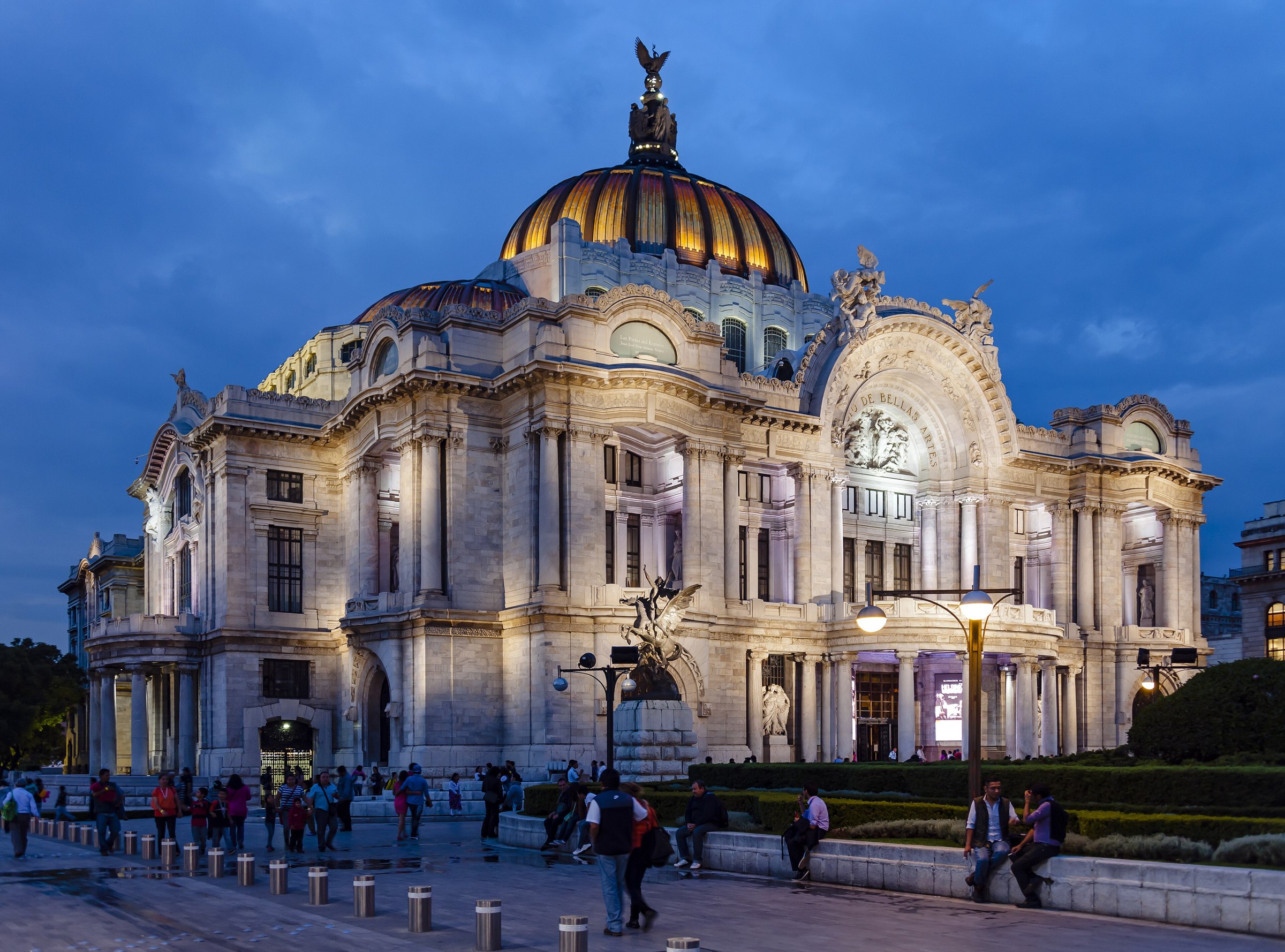
Mexico City: A City of Many Lives
From ancient Tenochtitlan to Bellas Artes, Barragán and the canals of Xochimilco, Mexico City reveals itself in layers.
By Culturefold Editors
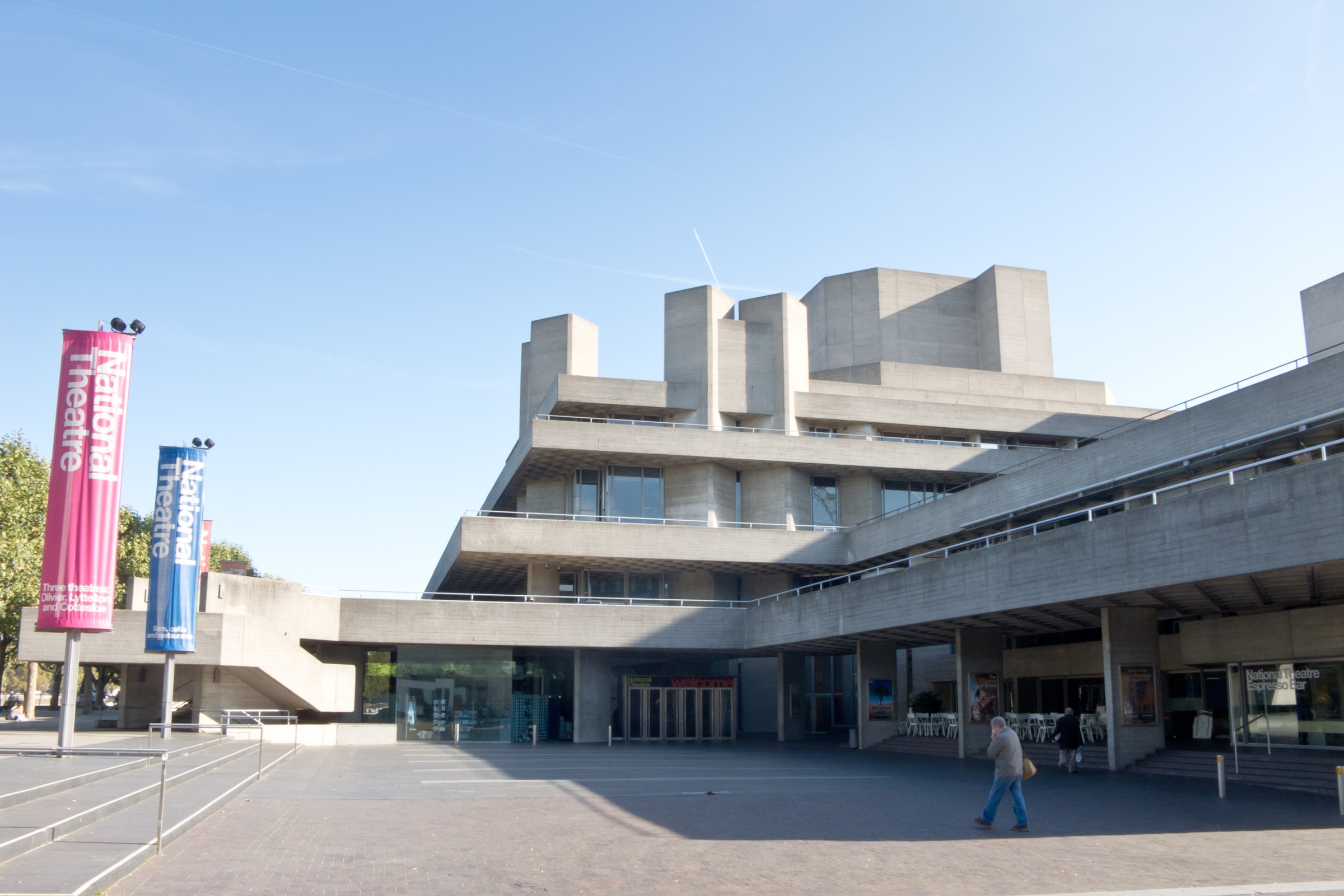
Concrete, Without Apology
Once dismissed as cold, imposing and unforgiving, Brutalist architecture is finding a new audience. But what makes these extraordinary concrete buildings so divisive?
By Culturefold Editors
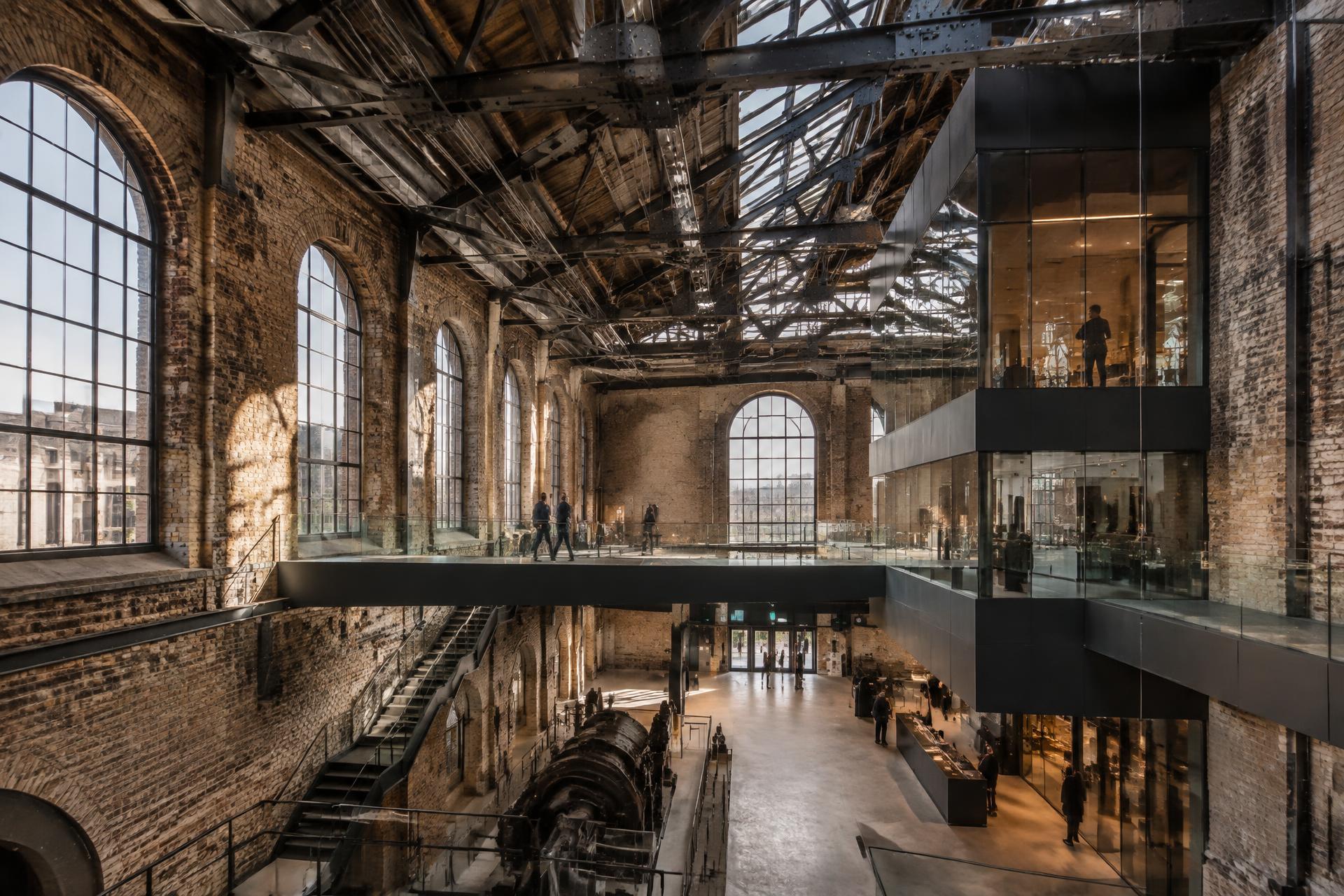
The Second Life of Buildings
From Tate Modern to Coal Drops Yard, adaptive reuse gives factories, power stations and warehouses a new purpose — and asks what existing buildings might still become.
By Culturefold Editors