
Lisbon: A City Written in Tiles
From the narrow streets of Alfama to the contemporary waterfront, exploring a Portuguese capital where centuries of history remain visible on almost every corner.
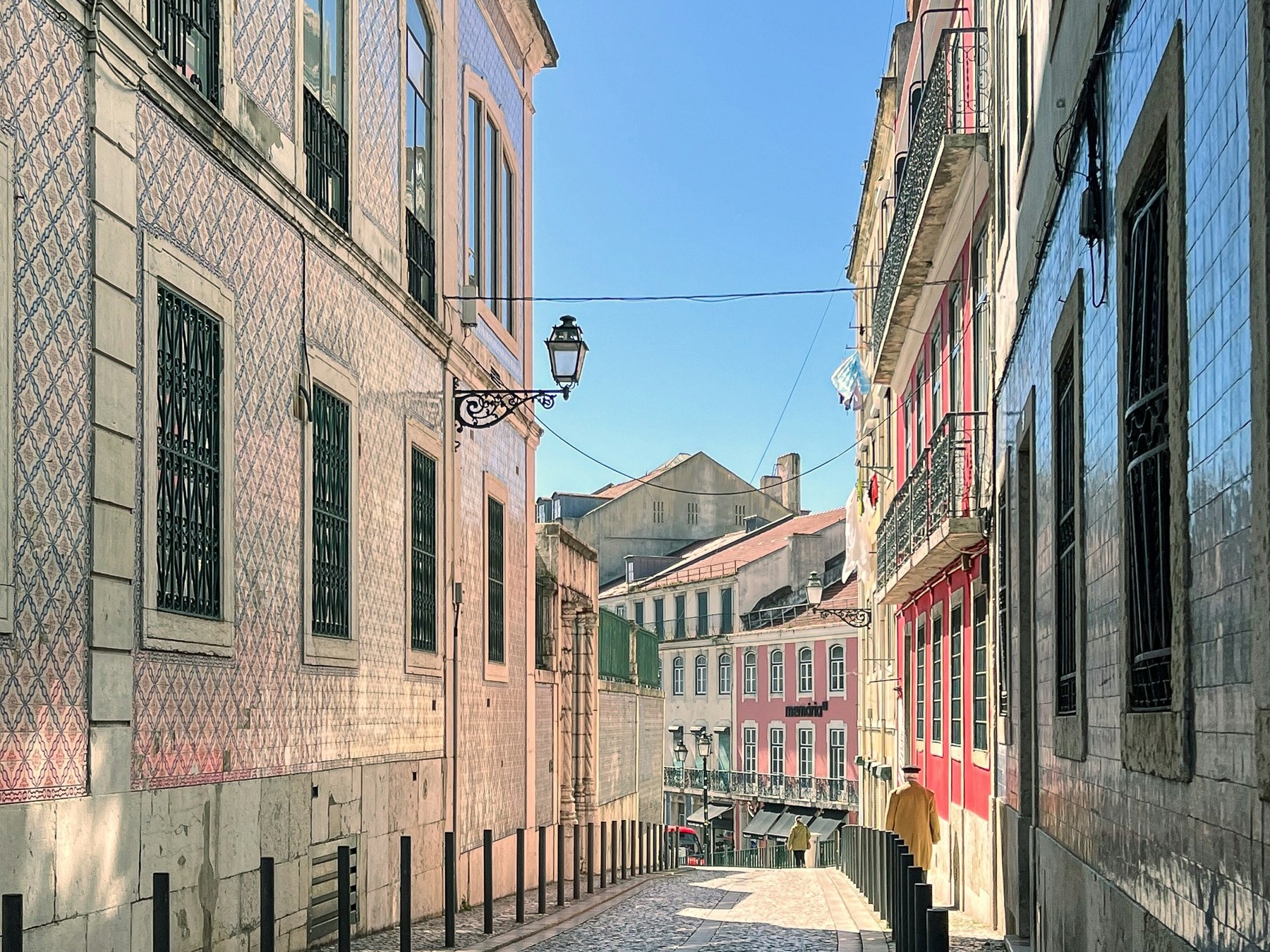
There are cities that announce themselves through monumental buildings, extraordinary skylines or architectural landmarks recognised around the world.
Lisbon reveals much of its character through smaller details.
A tiled facade catching the afternoon sunlight. A yellow tram negotiating a narrow street. Laundry hanging between neighbouring windows. The intricate patterns of a pavement worn smooth by generations of footsteps.
These are familiar elements of the Portuguese capital, yet together they create a visual identity unlike that of almost any other European city.
Lisbon is built across hills overlooking the River Tagus, its streets moving between elevated viewpoints, historic neighbourhoods and the broad waterfront below.
Its architecture reflects centuries of cultural exchange, destruction, reconstruction and reinvention.
But what makes the city particularly interesting is the way these different histories remain visible within everyday life.
Decorative tiles transform ordinary residential buildings into elaborate compositions. Historic streets retain irregular patterns established long before modern urban planning. Contemporary museums stand beside industrial structures from another era.
Lisbon has become an internationally celebrated destination, attracting visitors through its architecture, food, music and distinctive atmosphere.
Yet beyond the familiar photographs lies a more complicated and fascinating city.
One shaped as much by the people who inhabit its neighbourhoods as by the buildings that surround them.
The City as a Canvas
Few materials are as closely associated with Lisbon as the azulejo.
These decorative ceramic tiles appear across the city, covering building facades, interior walls, churches, railway stations and public spaces.
Some feature elaborate geometric patterns.
Others depict historical events, religious subjects, landscapes or scenes from everyday life.
Blue and white combinations are especially familiar, although Portuguese tilework has embraced a much broader range of colours and styles throughout its history.
The tradition developed through centuries of cultural exchange.
Decorative ceramic tiles arrived in the Iberian Peninsula through Islamic artistic influences. During the late fifteenth and early sixteenth centuries, they became increasingly important within Portuguese architecture.
King Manuel I's exposure to Spanish tilework helped encourage their use in Portugal.
Over subsequent generations, Portuguese workshops developed distinctive approaches to painting, manufacturing and arranging ceramic tiles.
By the eighteenth century, large decorative panels had become important features of religious buildings, palaces and domestic interiors.
But their presence was not limited to prestigious architecture.
Tiles gradually became a recognisable element of ordinary urban buildings.
This widespread use is part of what makes Lisbon visually distinctive.
The city often appears to blur the boundary between architecture and decorative art.
A residential facade can become an enormous patterned surface.
A building entrance might contain a carefully arranged composition that would feel equally appropriate within a museum.
The result is a city where artistic expression is not confined to formal cultural institutions.
It exists throughout the streets themselves.
A History Told in Ceramics
One of the most remarkable qualities of Lisbon's tiled architecture is the way it records changing artistic preferences.
Earlier geometric arrangements reveal influences from Islamic decorative traditions.
Later examples incorporate elaborate figurative scenes, floral motifs and ornamental compositions.
Blue-and-white tilework became particularly prominent through the influence of imported Chinese porcelain and Dutch ceramic traditions.
Industrial production during the nineteenth century helped expand the use of tiles on building exteriors.
Their decorative appeal was accompanied by practical benefits.
Glazed ceramic surfaces could provide a durable, washable exterior finish, although their performance depended on installation, maintenance and local conditions.
Over time, these different uses created a remarkable visual archive.
A single street might contain buildings decorated in patterns from different periods.
Some facades remain carefully maintained.
Others show signs of weathering, missing tiles or repairs carried out with materials that do not quite match the originals.
These imperfections can become part of the character of a place.
But historic tiles are also vulnerable.
Decorative panels have been damaged, removed or stolen, creating challenges for preservation.
Protecting them requires more than appreciating their appearance.
It means recognising that these surfaces form part of Portugal's architectural and artistic heritage.
Lisbon's National Tile Museum, housed in the former Madre de Deus Convent, was established to preserve and interpret this tradition.
Its collections trace the development of Portuguese ceramic art across centuries.
The museum itself demonstrates the close relationship between tilework and architecture, with historic decorative surfaces forming part of the building's identity.
The tradition also continues beyond its historical examples.
Contemporary artists and designers have used ceramic tiles in public installations, transport stations and architectural projects.
What began as an imported decorative practice became a distinctive language of Portuguese visual culture.
And that language continues to evolve.
Alfama: The City Before the Grid
To experience Lisbon's older urban character, few neighbourhoods are as revealing as Alfama.
Situated on the slopes between São Jorge Castle and the river, Alfama contains a dense network of narrow streets, steep staircases and small public spaces.
Its layout developed long before the systematic planning associated with later parts of the city.
Walking through the neighbourhood can feel like moving through a succession of unexpected spaces.
A narrow passage opens onto a small square.
A staircase leads towards another residential street.
A tiled wall catches the sunlight before the path turns again between neighbouring buildings.
Unlike a planned urban grid, the streets do not always offer a clear sense of what lies ahead.
Their irregular arrangement creates an experience shaped by gradual discovery.
Alfama also preserves an important connection to Lisbon's multicultural history.
The neighbourhood developed through different periods of Roman, Islamic, medieval and later Portuguese settlement.
Its architecture and street patterns reflect this long process of change.
The devastating earthquake of 1755 transformed much of Lisbon, but parts of Alfama retained their older urban structure.
This continuity gives the neighbourhood an architectural character distinct from the reconstructed downtown.
Yet Alfama is not simply a preserved historical environment.
It remains a residential neighbourhood, with shops, cafés, churches and everyday activities occupying the same streets that attract visitors.
Its atmosphere depends on this combination.
The historic architecture provides the setting.
The people who live and work there give it a continuing identity.
The Earthquake That Changed Everything
On 1 November 1755, Lisbon experienced one of the most destructive events in European urban history.
A powerful earthquake struck the city, followed by a tsunami and extensive fires.
Large areas were devastated.
Buildings collapsed, neighbourhoods were destroyed and enormous numbers of people lost their lives.
The disaster also generated intense discussion across Europe about science, religion, philosophy and the relationship between human society and natural forces.
For Lisbon, however, its most immediate consequence was the need to rebuild.
Under the leadership of the Marquis of Pombal, plans were developed for a new urban centre.
The reconstructed Baixa district adopted a markedly different approach from the irregular streets of older Lisbon.
Broad avenues and carefully organised blocks replaced much of the earlier street pattern.
Buildings were designed according to more consistent proportions and construction principles.
The reconstruction also incorporated structural ideas intended to improve resistance to future earthquakes.
One of the most distinctive features was the gaiola pombalina, a timber structural system incorporated within masonry buildings to provide greater flexibility during seismic movement.
The rebuilding represented an ambitious effort to create a more orderly and resilient city.
Today, the contrast between Alfama and Baixa remains immediately apparent.
In Alfama, streets twist around older buildings and changing levels of terrain.
In Baixa, the urban structure follows a more regular arrangement, with broad streets leading towards major public squares.
These differences reveal the impact of a single historical event on the city's physical identity.
Lisbon's architecture is not simply a collection of styles from different centuries.
It is also a record of how the city responded to disaster and imagined its future.
The Sound of Lisbon
Architecture provides much of Lisbon's visual identity, but music contributes another essential dimension.
Fado is among Portugal's most recognisable cultural traditions.
Closely associated with Lisbon's historic neighbourhoods, it developed during the nineteenth century through a combination of local traditions and wider cultural influences.
Its songs frequently explore themes of longing, memory, everyday life and emotional experience.
Performances traditionally feature a singer accompanied by the distinctive Portuguese guitar and a classical-style guitar.
The atmosphere can be intimate.
A small room, a handful of musicians and an audience whose attention is directed entirely towards the performance.
In places such as Alfama and Mouraria, fado became closely connected to the social environments in which it developed.
Taverns, informal gathering spaces and neighbourhood communities played important roles in its evolution.
The music later reached much wider audiences, with performers including Amália Rodrigues contributing to its international recognition.
In 2011, UNESCO included fado on its Representative List of the Intangible Cultural Heritage of Humanity.
The recognition acknowledged a tradition that represents more than a particular musical form.
Fado reflects relationships between performance, community, memory and Portuguese cultural identity.
For visitors, it can become one of Lisbon's most memorable experiences.
But its significance cannot be separated from the communities and histories that shaped it.
Like the city's tiled facades, fado belongs to a cultural tradition that continues to change while retaining connections with its past.
A City That Moves at Different Speeds
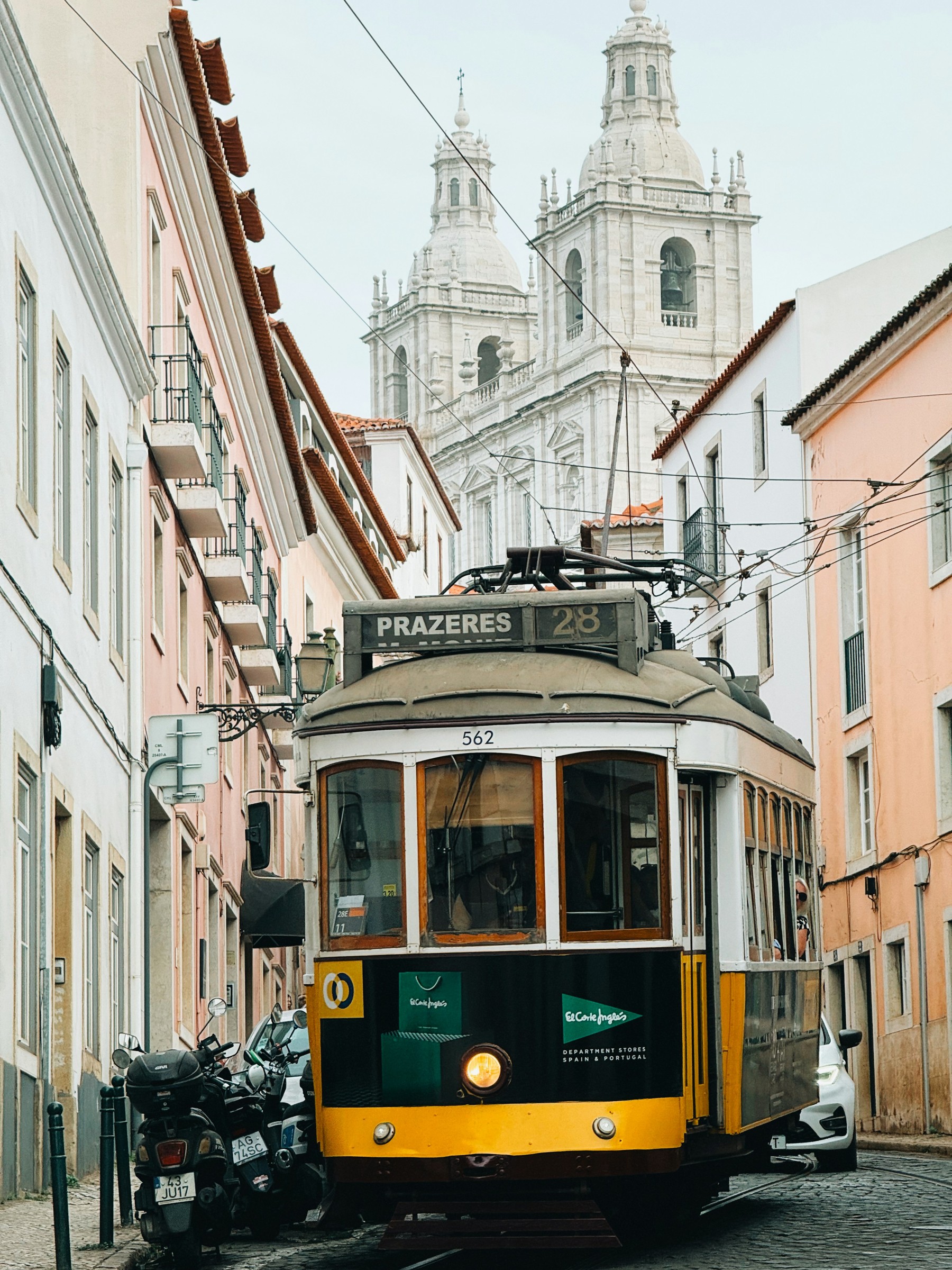
Lisbon's steep geography has influenced the way people move through the city.
Staircases connect streets at different levels.
Funiculars help overcome difficult inclines.
Trams negotiate narrow routes through older neighbourhoods.
Among the most recognisable are the city's yellow trams, particularly those associated with Route 28.
Their compact dimensions allow them to travel through streets where larger vehicles would struggle.
The experience is distinctly physical.
The tram turns sharply, climbs hills and passes buildings at surprisingly close distances.
Its movement reveals the scale and character of the surrounding streets.
From a photographic perspective, the yellow tram has become almost inseparable from Lisbon's international image.
But behind the familiar postcard composition is a practical transport history.
The network developed to connect neighbourhoods shaped by challenging terrain.
The vehicles and routes reflect the physical conditions of the city.
Their continued presence creates an unusual relationship between historic technology and contemporary urban life.
Yet Lisbon is not a city that always moves slowly.
Busy roads, commercial districts, modern transport infrastructure and expanding urban development reveal a different pace.
These contrasting experiences coexist.
A historic tram may travel through a narrow residential street while a contemporary transport system connects entirely different parts of the metropolitan area.
The city accommodates both, sometimes comfortably and sometimes through visible tension.
Where Lisbon Meets the River
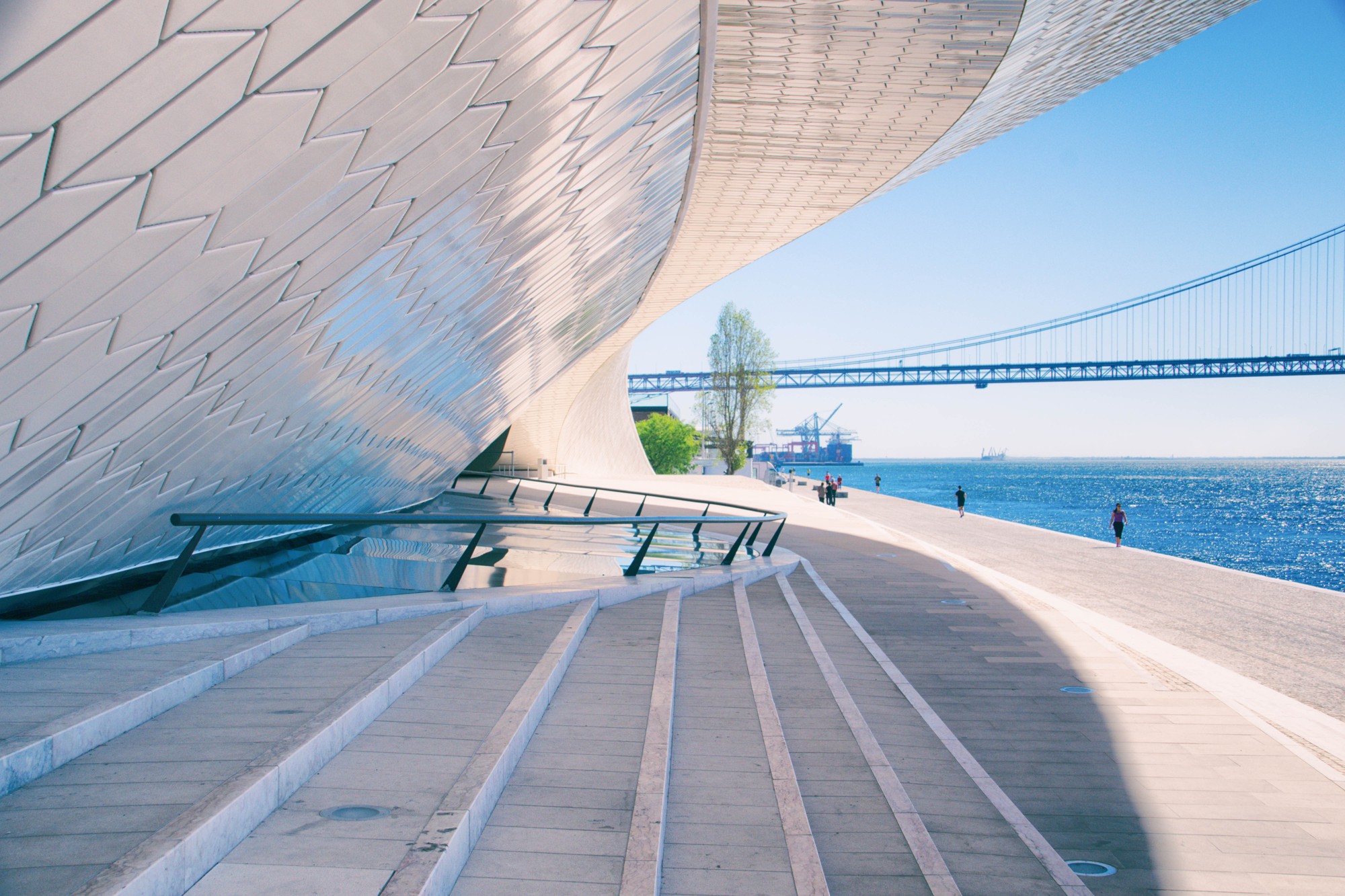
The River Tagus has shaped Lisbon's development for centuries.
Its broad estuary provided opportunities for trade, maritime activity and connections with distant regions.
Portugal's overseas expansion brought Lisbon extraordinary commercial importance, but that history also involved conquest, colonial exploitation and the transatlantic trafficking of enslaved people.
The city's maritime identity cannot be understood fully without recognising these consequences.
Today, the waterfront offers a series of different urban experiences.
At Praça do Comércio, an enormous public square opens towards the river.
Surrounded by carefully proportioned buildings and arcaded walkways, it forms one of the defining spaces of the reconstructed city.
Its openness creates a striking contrast with the narrow streets found elsewhere in central Lisbon.
Further west, Belém contains some of the capital's most significant historic monuments.
The Jerónimos Monastery and Belém Tower reflect Portugal's maritime history and the architectural ambitions associated with the Manueline period.
Yet the waterfront is also home to contemporary cultural developments.
The Museum of Art, Architecture and Technology, known as MAAT, opened its distinctive new building in 2016.
Designed by Amanda Levete's architectural practice AL_A, the structure occupies a prominent position beside the river.
Its sweeping form and ceramic-clad exterior create a contemporary response to Lisbon's relationship with light, water and traditional materials.
The accessible roof extends the surrounding public environment, allowing visitors to experience views across the Tagus.
Nearby stands the former Central Tejo power station, an industrial building that has become part of the museum complex.
The contrast is particularly revealing.
Historic industrial architecture and contemporary cultural design occupy the same waterfront setting.
Both express different periods of Lisbon's development.
And both contribute to the ongoing transformation of the city's relationship with the river.
A New Life for Industrial Lisbon
Lisbon's creative identity is not confined to its historic centre or major museums.
In Alcântara, former industrial buildings have become part of a contemporary cultural and commercial environment.
LX Factory is among the best-known examples.
Occupying a former industrial complex associated with textile manufacturing, it now accommodates a mixture of creative businesses, shops, restaurants and cultural activities.
The original industrial architecture provides much of its visual character.
Exposed structures, large interior spaces and older building surfaces create an atmosphere different from that of a conventional commercial development.
The transformation reflects a wider pattern found in cities around the world.
As industrial activities move or disappear, former factories and warehouses can acquire new functions.
Their architecture becomes an attraction rather than an obstacle.
Lisbon's version is particularly interesting because of the contrast between the city's historic decorative traditions and the directness of its industrial spaces.
Both have become part of its contemporary creative identity.
But the transformation also raises questions about urban change.
When industrial or residential areas become desirable cultural destinations, property values and commercial expectations can change.
New opportunities may emerge for businesses and creative communities.
At the same time, longstanding activities and residents may face greater pressure.
The challenge is ensuring that urban reinvention contributes to the life of the city rather than simply creating new environments for consumption.
The City Beyond the Postcard
Lisbon's international popularity has brought considerable attention to its architecture, cuisine and cultural life.
Historic neighbourhoods have attracted new businesses, visitors and investment.
Buildings that once suffered from neglect have undergone restoration.
Creative industries and cultural venues have contributed to the city's international reputation.
These changes have produced visible benefits.
But they have also created difficult questions about housing, affordability and the future of residential communities.
Rising property costs have placed pressure on many residents.
The expansion of short-term tourist accommodation has contributed to debates about who can afford to live in the city's historic areas.
For neighbourhoods such as Alfama, the consequences are especially significant.
The atmosphere that attracts visitors depends partly on everyday residential life.
Small shops, familiar faces, longstanding businesses and neighbourhood traditions all contribute to its identity.
If too many of those elements disappear, the neighbourhood risks becoming a visual representation of itself rather than a functioning community.
This is not a challenge unique to Lisbon.
Historic cities across Europe face similar tensions between tourism, preservation and the needs of local residents.
But the issue deserves attention because architecture is never entirely separate from social life.
A restored facade may look beautiful.
Its cultural meaning also depends on the people and activities behind it.
Preserving the appearance of a neighbourhood is not necessarily the same as preserving its character.
The Beauty of Ordinary Details
Perhaps the most compelling way to understand Lisbon is to pay attention to the elements that do not usually appear in descriptions of its major attractions.
The pattern of a tiled entrance.
The worn stone surrounding an old doorway.
The changing colour of a facade as afternoon light moves across it.
A small public square where residents gather beneath the shade of a tree.
These details reveal the relationship between architecture and everyday life.
They show how materials age, how buildings adapt and how streets acquire character through continued use.
The city is full of carefully designed spaces, but some of its most memorable qualities emerge through the accumulation of ordinary decisions.
A house is repainted.
A balcony fills with plants.
A patterned tile is replaced.
A neighbourhood shop continues operating within a building constructed generations earlier.
None of these moments is particularly monumental.
Together, they contribute to the city's identity.
There is also something revealing about the contrast between Lisbon's visual order and irregularity.
The reconstructed downtown follows a carefully organised street plan.
The older neighbourhoods develop around narrow routes and changing elevations.
Modern cultural buildings introduce entirely new architectural forms.
Yet these differences rarely feel like completely separate cities.
They are connected through the geography, history and continuing activity of the Portuguese capital.
A City That Continues to Unfold
Lisbon cannot be explained through its famous trams, decorated facades or panoramic viewpoints alone.
Those images capture important aspects of the city, but they represent only fragments of a more complicated place.
Its architecture reveals the influence of cultural exchange, maritime history and ambitious reconstruction.
Its music preserves memories and relationships that cannot be expressed through buildings alone.
Its neighbourhoods reflect generations of everyday life.
And its contemporary development demonstrates the opportunities and tensions involved in becoming an internationally celebrated city.
Perhaps the most distinctive quality of Lisbon is the visibility of these different layers.
History is not always hidden behind museum walls.
It remains present in the arrangement of streets, the materials covering buildings and the traditions that continue to shape everyday experience.
A tiled facade can tell a story about artistic influences from centuries earlier.
A carefully ordered street can reveal the consequences of a devastating earthquake.
An old industrial building can demonstrate how a city finds new purposes for places that have outlived their original functions.
And somewhere on a steep residential street, ordinary life continues against this extraordinary historical background.
Lisbon is a city that rewards looking closely.
Not only at its celebrated monuments or spectacular river views, but at the countless details that make its streets recognisable.
Because sometimes, the most revealing stories of a place are not written in books.
They are written across its walls.
Further Reading
Istanbul: Life Between Two Shores
Ferries, historic neighbourhoods and centuries of cultural exchange. Discovering a city whose identity has always been shaped by the water.
By Culturefold Editors
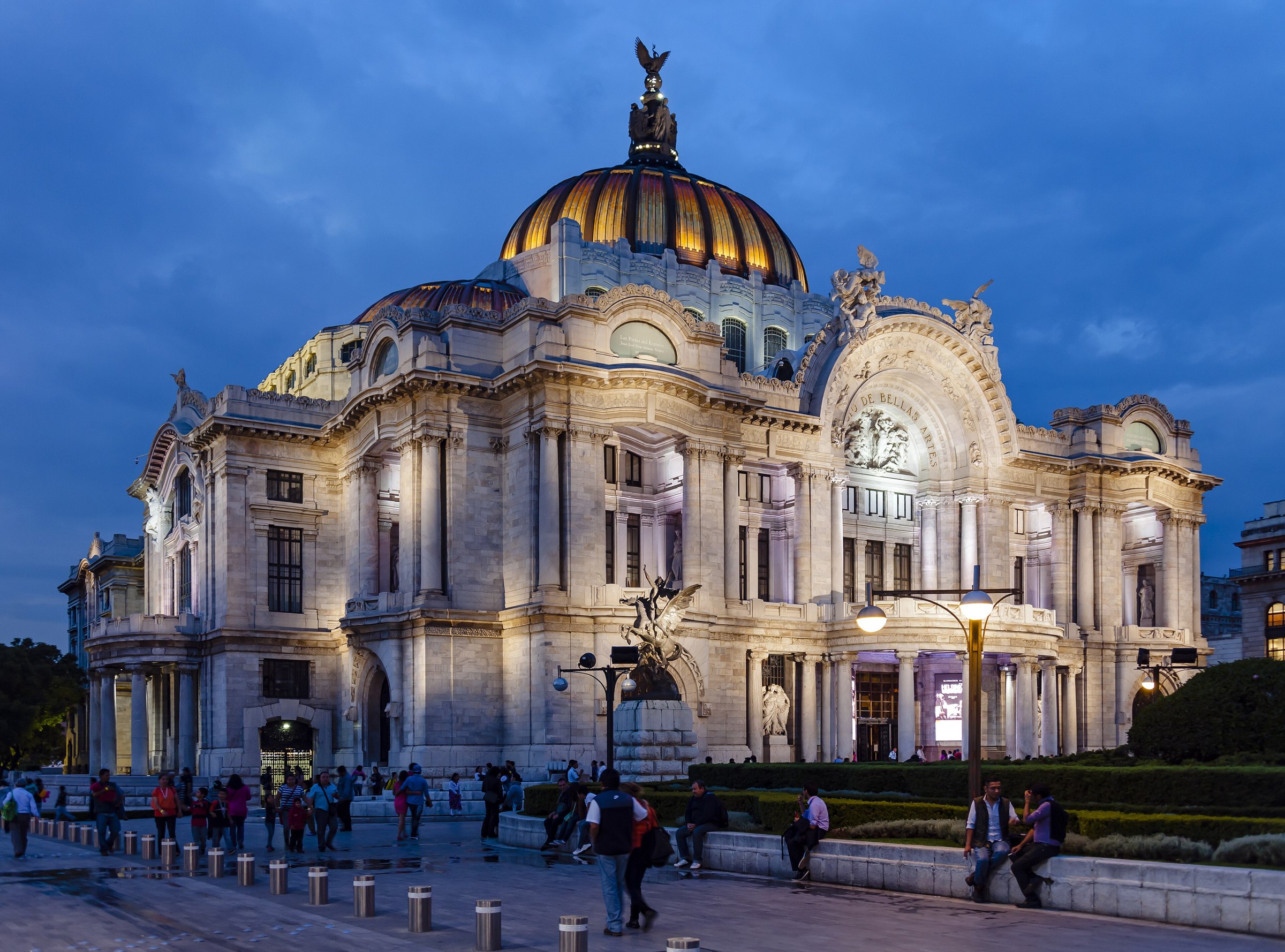
Mexico City: A City of Many Lives
From ancient Tenochtitlan to Bellas Artes, Barragán and the canals of Xochimilco, Mexico City reveals itself in layers.
By Culturefold Editors
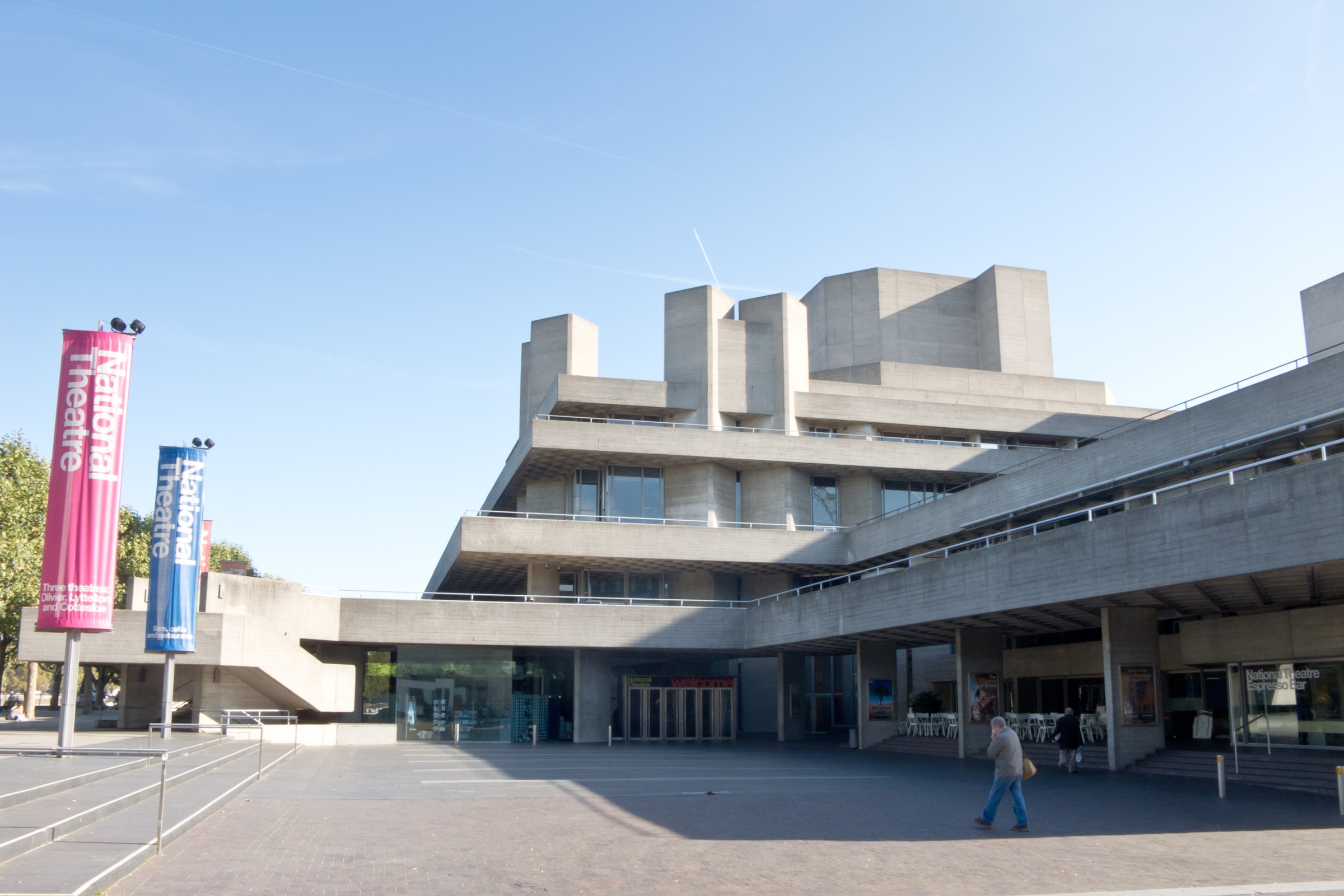
Concrete, Without Apology
Once dismissed as cold, imposing and unforgiving, Brutalist architecture is finding a new audience. But what makes these extraordinary concrete buildings so divisive?
By Culturefold Editors