
Tbilisi: A City Built in Layers
From intricately carved wooden balconies and ancient sulfur baths to remarkable Soviet architecture and a new generation of creative spaces, exploring the many identities of Georgia's extraordinary capital.
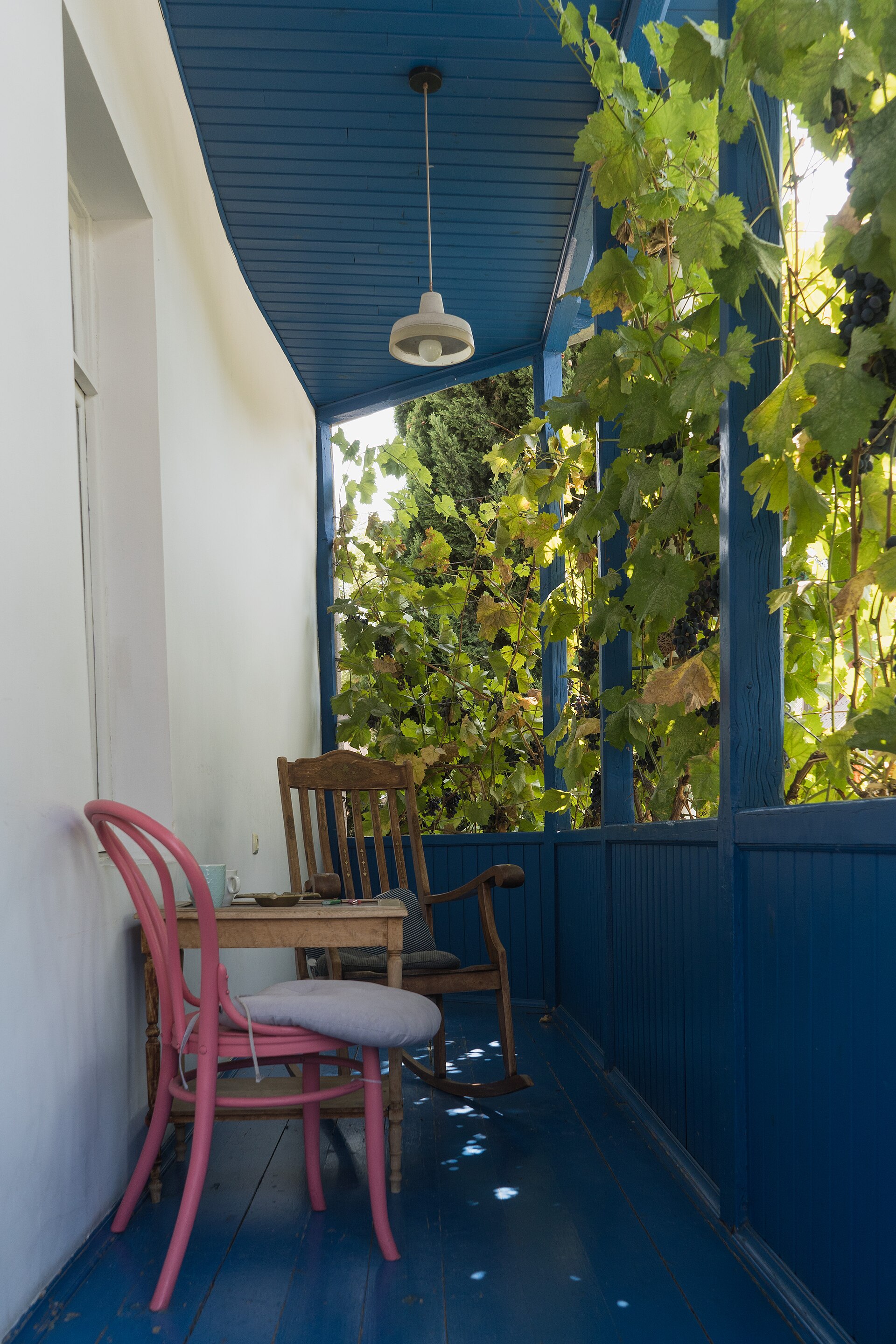
At first glance, Tbilisi seems like a city assembled from several different places.
Colourful wooden balconies extend above narrow streets. Ancient stone walls follow the hillsides. Church towers rise alongside modern apartment buildings, while an enormous glass pedestrian bridge curves across the river below.
Turn another corner and the architecture changes again.
A weathered nineteenth-century townhouse stands beside a contemporary restaurant. Elaborately decorated doorways conceal quiet residential courtyards. Across the city, monumental concrete structures reveal another chapter of its history.
There is no single architectural language.
And that is precisely what makes Tbilisi so interesting.
Georgia's capital occupies a valley along the Mtkvari River, surrounded by hills that have shaped its development for centuries.
Its position between Europe and Asia contributed to a long history of cultural exchange, commercial activity and political change.
Different empires controlled the city. Communities arrived, settled and developed their own traditions. Buildings were destroyed, reconstructed and adapted to changing circumstances.
The result is a capital where history rarely appears in neat chronological order.
Medieval structures coexist with nineteenth-century houses, Soviet modernism and contemporary architecture.
Yet beneath these contrasting styles lies a recognisable character.
Tbilisi is a city that has repeatedly changed without entirely losing its sense of identity.
A City Named After Warmth
According to Georgian tradition, Tbilisi's foundation is associated with King Vakhtang Gorgasali during the fifth century.
One familiar legend tells of a royal hunting expedition.
A bird pursued by the king's falcon fell into a hot spring, revealing the presence of naturally heated water in the surrounding landscape.
Impressed by the discovery, the king decided to establish a settlement nearby.
The story forms an important part of the city's identity, although archaeological evidence demonstrates human activity in the area long before the traditional foundation date.
The name Tbilisi itself derives from a Georgian word associated with warmth.
The natural hot springs remain among its most distinctive features.
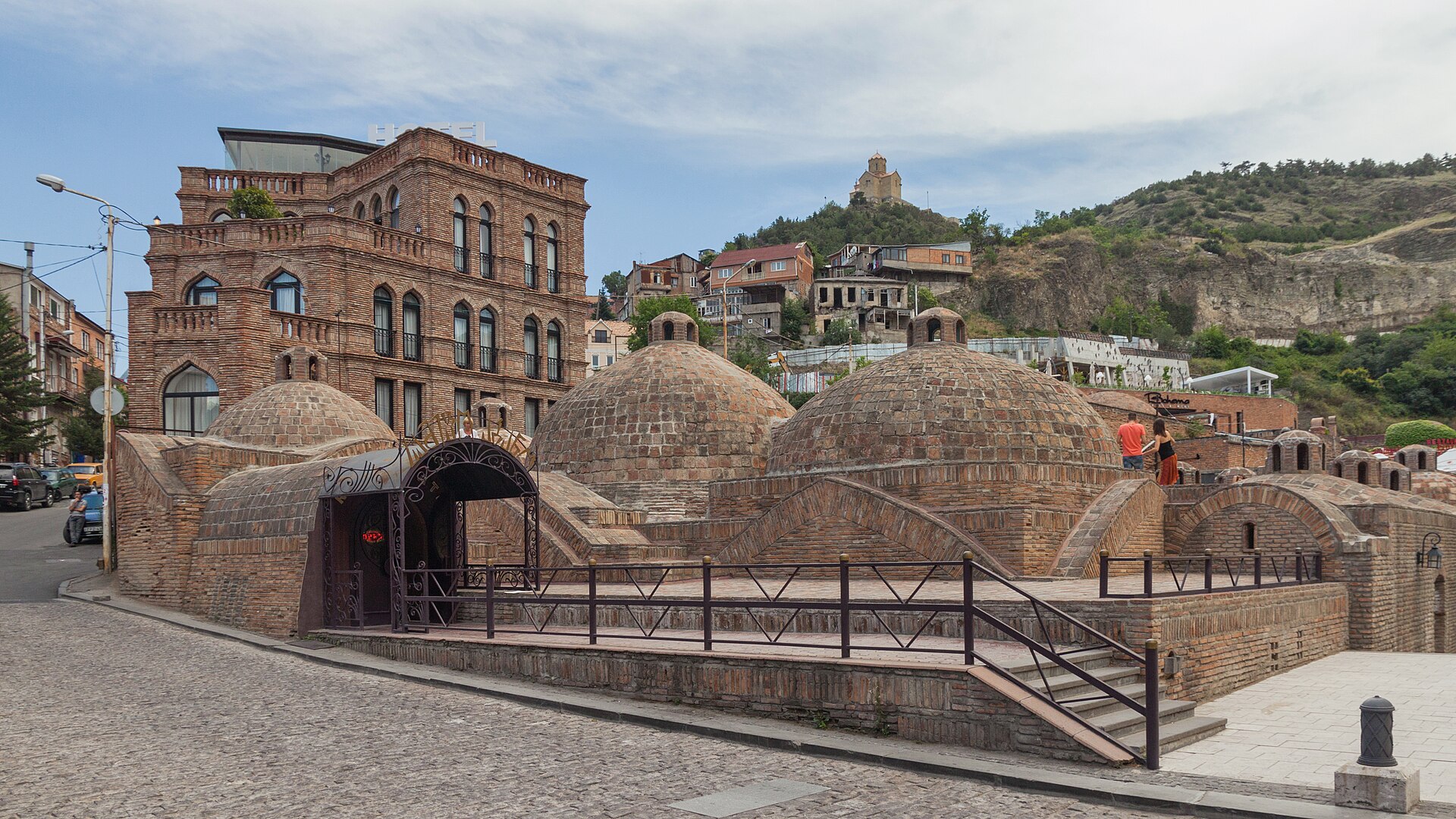
In the historic district of Abanotubani, rounded brick domes rise from the ground, marking the entrances and roofs of traditional bathhouses.
Some appear almost hidden within the surrounding streets.
Others feature elaborate facades decorated with colourful ceramic tiles.
The district illustrates the relationship between geography and urban culture.
The warm water was not simply a natural curiosity.
It contributed to a bathing tradition that became deeply connected to the life of the city.
Centuries later, that tradition continues.
Beneath the Brick Domes
The bathhouses of Abanotubani provide one of Tbilisi's most recognisable architectural experiences.
Their interiors are generally organised around spaces for bathing, washing and relaxation.
Some contain private rooms.
Others retain more communal arrangements.
The buildings vary in age, appearance and facilities, but many draw upon architectural traditions associated with Persian and wider regional bathing culture.
The rounded brick domes are especially distinctive.
Small openings allow light to enter the spaces below.
Within the surrounding streets, their repeated forms create an unusual architectural landscape.
One of the district's most celebrated buildings is the Orbeliani Bath, also known as Chreli Abano.
Its striking blue-tiled facade features elaborate geometric decoration and a monumental arched entrance.
The building appears almost like a piece of another architectural world inserted into the old city.
Yet it belongs to the same long history of cultural exchange that shaped Tbilisi.
For visitors, the bath district offers a memorable encounter with a traditional practice.
For the city, it represents something deeper.
An element of everyday life connected to the very story of its foundation.
The Balconies That Define Tbilisi
Walk through the older residential neighbourhoods and another architectural feature becomes impossible to ignore.
The wooden balcony.
Some project over narrow streets.
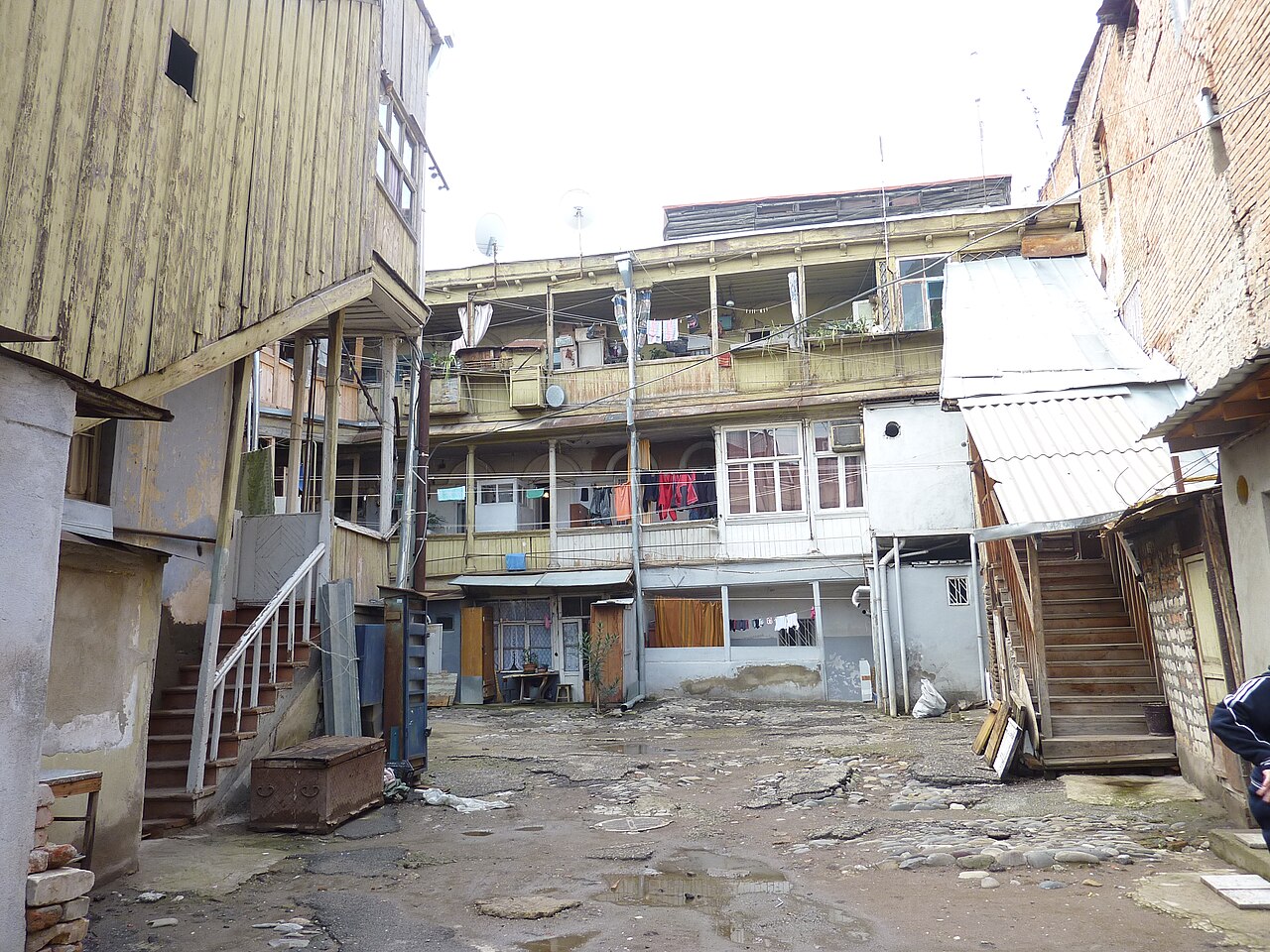
Others wrap around internal courtyards, connecting the rooms of neighbouring apartments.
Their railings are often decorated with intricate carved patterns.
Timber columns support elaborate arches, while painted surfaces introduce shades of green, blue, cream and brown.
The designs vary considerably.
Certain balconies are modest and practical.
Others possess an almost theatrical elegance.
Many of the familiar residential buildings were developed during the nineteenth century, when local builders combined Georgian construction traditions with influences from European and Middle Eastern architecture.
The balconies became an important part of the city's domestic identity.
But their significance extended beyond decoration.
They created shaded areas, supported movement between rooms and provided places for people to spend time outside while remaining connected to their homes.
In courtyard buildings, balconies also established relationships between neighbours.
People could see and speak to one another across the shared space below.
The architecture encouraged a particular form of communal living.
Today, these wooden structures are among Tbilisi's most photographed features.
Yet their beauty comes partly from the ordinary lives they were designed to accommodate.
Life Inside the Courtyard
Perhaps the best way to understand Tbilisi's historic residential architecture is to look beyond its street-facing facades.
A relatively unremarkable doorway may open into an extraordinary courtyard.
Several floors of wooden balconies surround a small shared space.
Staircases connect different apartments.
Laundry hangs above the ground.
Plants occupy windowsills and narrow ledges.
The surfaces reveal different stages of repair and adaptation.
One balcony may have been carefully restored.
Another carries weathered paint and evidence of decades of use.
The result is rarely perfectly symmetrical.
Instead, it reflects the changes made by successive residents.
These courtyards once formed important social environments within the city.
Families shared entrances and outdoor spaces, while neighbours encountered one another through everyday routines.
The architecture encouraged familiarity.
But the courtyards also reveal the challenges of historic preservation.
Many older buildings require substantial maintenance.
Timber deteriorates.
Structural elements weaken.
Modern services must be introduced into environments never designed for them.
Preserving these spaces means more than maintaining their attractive facades.
It requires making them safe and practical for the people who continue living there.
Sololaki: Behind the Elegant Doors
In the historic district of Sololaki, another side of Tbilisi's architectural identity becomes visible.
During the nineteenth and early twentieth centuries, the neighbourhood developed into a desirable residential area for merchants, industrialists and other affluent citizens.
Its buildings reflect a remarkable mixture of styles.
Classical proportions appear alongside Art Nouveau decoration.
Elaborate ironwork, carved timber and decorative plasterwork introduce further variety.
Some entrances contain extraordinary staircases.
Others feature painted ceilings, patterned floors and carefully designed doors.
The details reveal the ambitions of the people who commissioned them.
A residential entrance was not necessarily treated as a purely functional space.
It could communicate status, taste and an appreciation for contemporary artistic movements.
At the same time, local craftspeople adapted international influences to familiar building traditions.
The result was something distinctive to Tbilisi.
Sololaki demonstrates how architectural identity can emerge through cultural exchange rather than through strict adherence to a single style.
Its streets are filled with buildings that borrow, reinterpret and combine ideas.
And the most interesting details are often hidden just beyond the front door.
A City Repeatedly Rebuilt
Tbilisi's architectural variety reflects a history that was frequently turbulent.
Its strategic position made it important to successive regional powers.
Persian, Arab, Ottoman and Russian influences shaped different periods of its development.
The city experienced repeated invasions and destruction.
One particularly devastating event occurred in 1795, when Qajar forces attacked and severely damaged Tbilisi.
Much of the historic settlement was subsequently reconstructed.
This helps explain why many buildings within the area known as Old Tbilisi date from the nineteenth century rather than the city's earliest periods.
The streets may follow much older urban patterns.
But the buildings themselves frequently belong to later chapters.
During the nineteenth century, Georgia's incorporation into the Russian Empire introduced another period of architectural transformation.
European styles became increasingly visible.
New public buildings, commercial streets and residential districts developed.
Yet older local traditions did not simply disappear.
They continued alongside the new influences.
The city became an architectural record of different historical circumstances occupying the same urban space.
The Extraordinary Architecture of the Soviet Years
Tbilisi's twentieth-century architecture introduces another dramatic contrast.
During the Soviet period, the city expanded through residential construction, public infrastructure and major government projects.
Some buildings followed relatively standardised approaches.
Others became remarkable examples of architectural experimentation.
Among the most extraordinary is the former Ministry of Road Construction building, completed in the mid-1970s.
Designed by Georgian architects Giorgi Chakhava and Zurab Jalaghania, the structure appears unlike an ordinary office building.
Large horizontal concrete volumes extend across the hillside at different levels.
The sections intersect and appear suspended above the surrounding landscape.
Open spaces remain between the structures.
The arrangement creates an almost improbable composition.
The architects drew inspiration from nature and the relationship between trees, branches and the ground beneath them.
The result became an internationally recognised example of Soviet modernist architecture.
Today, the building serves as the headquarters of the Bank of Georgia.
Its survival demonstrates another aspect of Tbilisi's architectural history.
Not every significant building belongs to the distant past.
Twentieth-century structures can also become important parts of a city's cultural identity.
The Bridge That Divided Opinion
In 2010, Tbilisi introduced a striking contemporary addition to its historic centre.
The Bridge of Peace, designed by Italian architect Michele De Lucchi, crosses the Mtkvari River between the old city and Rike Park.
Its curved steel-and-glass structure creates a striking contrast with the surrounding traditional architecture.
The roof appears almost like a transparent wave extending across the water.
At night, an integrated lighting system transforms its appearance.
The project became one of the most recognisable symbols of contemporary Tbilisi.
But its arrival also generated debate.
Some welcomed the bridge as evidence of the city's ambition to develop a new architectural identity.
Others questioned whether such a futuristic structure belonged within the historic setting.
The disagreement reflects a familiar challenge facing cities with substantial architectural heritage.
How should new buildings relate to the old?
Should they imitate established forms?
Or should they express the ideas and technologies of their own time?
Tbilisi offers no simple answer.
Instead, it places the different approaches beside one another.
The contrast has become part of the city's character.
The Other Life of an Old Factory
Across the river, the former Soviet sewing factory now known as Fabrika represents another kind of transformation.
The large industrial building once accommodated clothing production.
After the factory ceased operating, the complex entered a period of decline.
In 2016, architecture practice MUA helped transform the site into a multifunctional creative space.
Today, it contains accommodation, cafés, workshops, studios, shops and co-working facilities.
Much of the original industrial character remains visible.
Concrete surfaces, large windows and exposed structural elements contribute to the atmosphere.
Murals and other artworks introduce a contemporary visual identity.
The courtyard has become an important gathering space.
People come to work, socialise, attend events or simply spend time.
The project demonstrates how older buildings can acquire new purposes without entirely concealing their histories.
But it also reflects wider changes in Tbilisi.
Creative businesses and cultural venues have contributed to the transformation of previously overlooked neighbourhoods.
These developments can bring investment and new opportunities.
They can also introduce questions about affordability and who benefits from urban change.
The story of regeneration is rarely straightforward.
Where the City Keeps Its Memories
Another revealing expression of Tbilisi's character can be found around the Dry Bridge.
Here, an open-air market brings together an extraordinary collection of objects.
Old cameras.
Books.
Paintings.
Vinyl records.
Jewellery, household items and pieces of furniture.
Objects associated with the Soviet period appear beside contemporary artworks and handmade goods.
The market has developed into a familiar part of the city's cultural life.
It is a place where personal possessions become objects of curiosity for somebody else.
A photograph might offer a glimpse into an unfamiliar family history.
A worn radio recalls another period of technology.
A collection of old books reveals changes in language, education and popular interests.
The market is commercial, but it also resembles an informal archive.
Its contents are constantly changing.
And unlike museum collections, the objects do not remain permanently in one place.
They are purchased, exchanged and carried away.
The history of the city continues moving through the hands of the people who inhabit it.
A Place of Many Traditions
Tbilisi's cultural identity cannot be understood through architecture alone.
Its history reflects the contributions of different religious and ethnic communities.
Georgian Orthodox churches stand within a city that has also been home to Armenian, Jewish and Muslim populations.
Their institutions and traditions contributed to Tbilisi's character as a regional centre.
This diversity is visible within the historic neighbourhoods.
Churches, a mosque and synagogues occupy different parts of the old city.
The proximity of these places reveals a long history of communities sharing an urban environment, although coexistence was not always free from political tension or inequality.
The city's identity also emerges through food, music and social traditions.
Georgian hospitality is frequently associated with the supra, a shared meal organised around food, conversation and toasts.
Wine forms an important part of the wider cultural tradition, reflecting Georgia's long history of viticulture.
These experiences contribute to the atmosphere of contemporary Tbilisi.
But their significance lies beyond the expectations of visitors.
They are part of the cultural practices through which families and communities maintain relationships.
The Difficult Art of Preservation
Tbilisi's architectural diversity creates considerable challenges.
Historic wooden buildings require expensive and specialised maintenance.
Modern construction introduces pressure to redevelop valuable urban sites.
Tourism and the popularity of particular neighbourhoods can change the economic circumstances of their residents.
At the same time, many older buildings need substantial improvements.
Preservation cannot simply mean preventing every change.
People require safe homes, functioning infrastructure and comfortable living conditions.
The challenge is deciding which characteristics make a place worth protecting and how those qualities can survive adaptation.
The World Monuments Fund has previously highlighted threats to Tbilisi's historic district, including the vulnerability of its distinctive wooden structures.
Conservation initiatives have sought to protect important buildings and raise awareness of the city's architectural heritage.
But the wider question remains.
How can the city continue developing without erasing the qualities that make it distinctive?
A restored balcony may preserve an attractive architectural detail.
Its deeper meaning also depends on the building, the courtyard and the community surrounding it.
The City Seen From Above
From an elevated viewpoint, Tbilisi reveals the extraordinary variety of its urban landscape.
The Mtkvari winds through the valley.
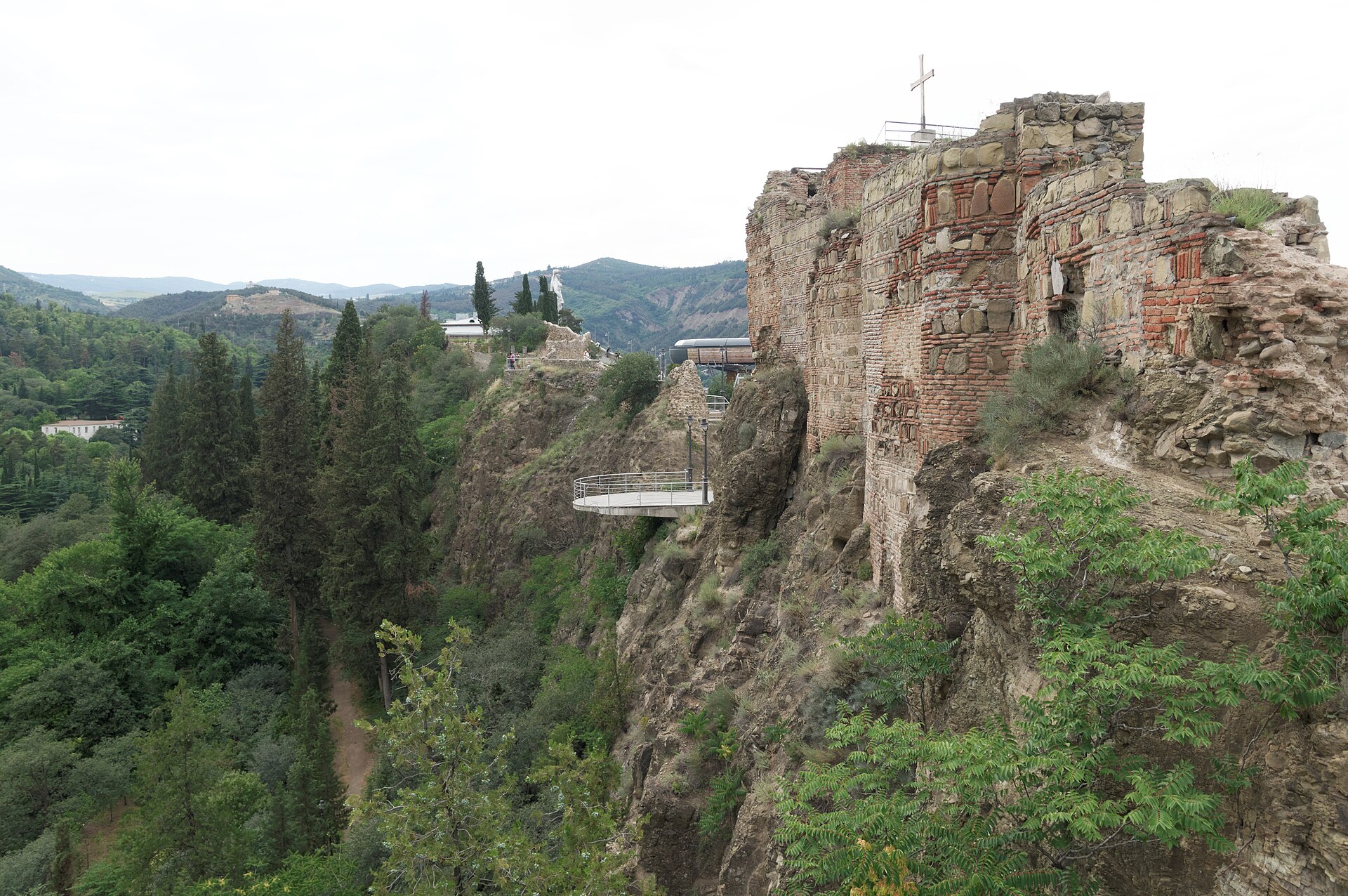
Historic buildings occupy the hillsides beneath Narikala Fortress.
Church towers and modern structures appear among residential neighbourhoods.
Further away, Soviet-era developments and contemporary construction extend across the surrounding terrain.
The different periods seem to coexist without following a single architectural plan.
From one direction, the city appears historic and intimate.
From another, it becomes an expansive modern capital.
The contrast is especially striking around sunset.
Light catches the wooden balconies and stone surfaces of the old city.
The river reflects the buildings along its banks.
The contemporary bridge introduces a bright, recognisable form.
And the hills provide a setting that connects the different parts of the city.
Tbilisi appears as a place continually negotiating between its past and future.
A City That Cannot Be Reduced to One Era
Some cities are remembered primarily for a particular architectural period.
A medieval centre.
A collection of Renaissance monuments.
A celebrated modernist district.
Tbilisi resists such simple classification.
Its history has been shaped by repeated destruction, reconstruction and cultural exchange.
The sulfur baths connect it to ancient traditions.
Wooden balconies preserve elements of nineteenth-century domestic life.
Soviet buildings reveal a period of extraordinary architectural experimentation.
Contemporary structures and creative spaces demonstrate how the city continues to reinterpret itself.
These different identities do not always fit together comfortably.
Some buildings require urgent care.
New developments provoke disagreement.
The challenges of maintaining a historic city remain substantial.
Yet the contrasts are central to what makes Tbilisi compelling.
Its architecture does not tell one uninterrupted story.
It reveals the different lives of a city that has survived repeated transformation.
Perhaps the most memorable details are not always its largest landmarks.
A balcony with fading blue paint.
A doorway opening onto a shared courtyard.
A small brick dome concealing a bathhouse beneath the street.
Or a concrete building suspended improbably above the landscape.
Each belongs to a different chapter.
Together, they create the character of the Georgian capital.
Tbilisi is a city built in layers.
And it is still adding new ones.
Further Reading
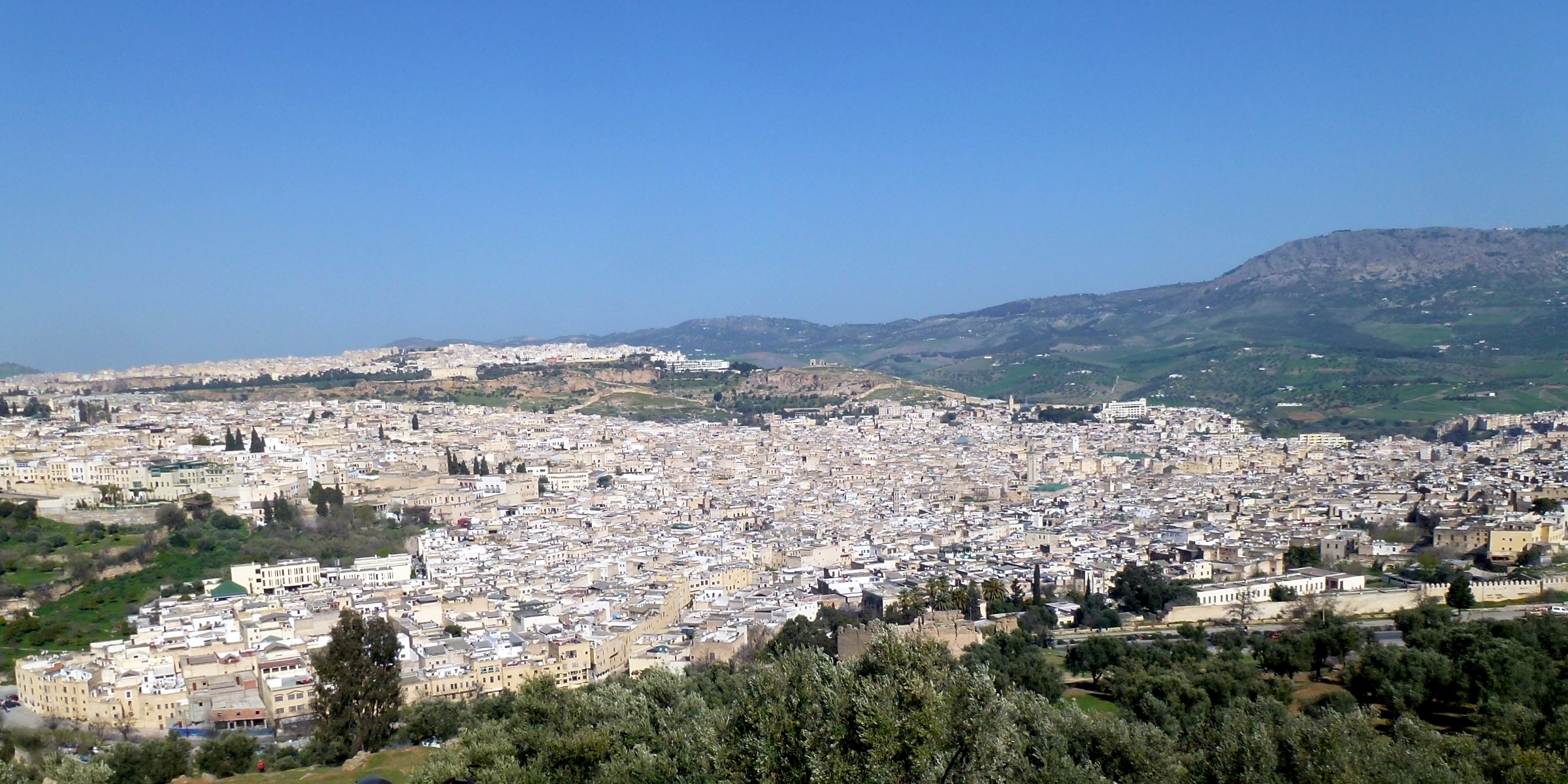
Fez: The City Made by Hand
Behind the ancient walls of Morocco's cultural capital lies an extraordinary world of narrow streets, intricate architecture and traditional craftsmanship. A city where history is not simply preserved, but practised.
By Culturefold Editors
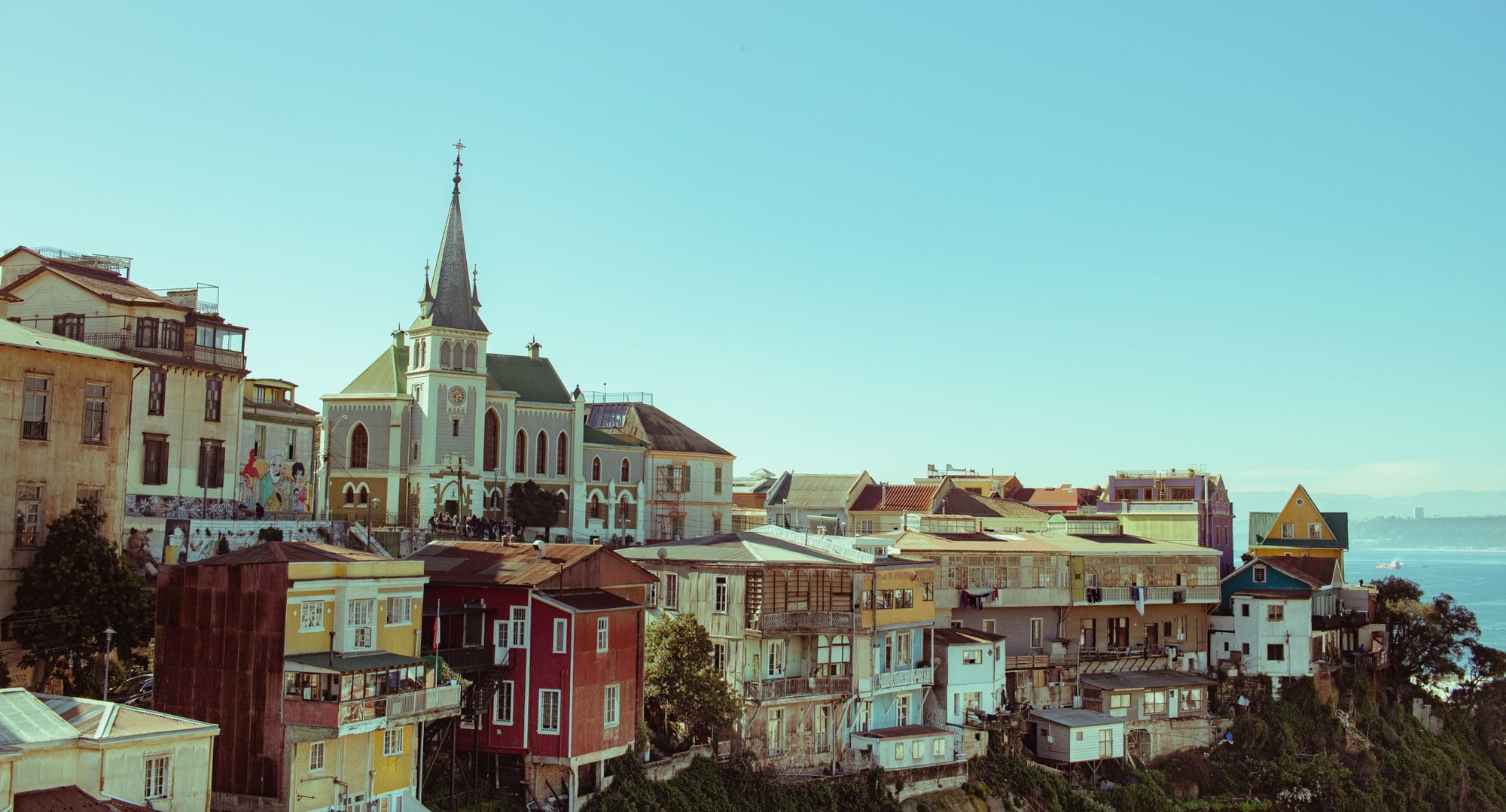
Valparaíso: A City Painted on the Hills
Colourful houses, extraordinary street art and century-old hillside lifts define this Chilean port city. But beyond its vibrant appearance lies a fascinating history of trade, creativity and resilience.
By Culturefold Editors
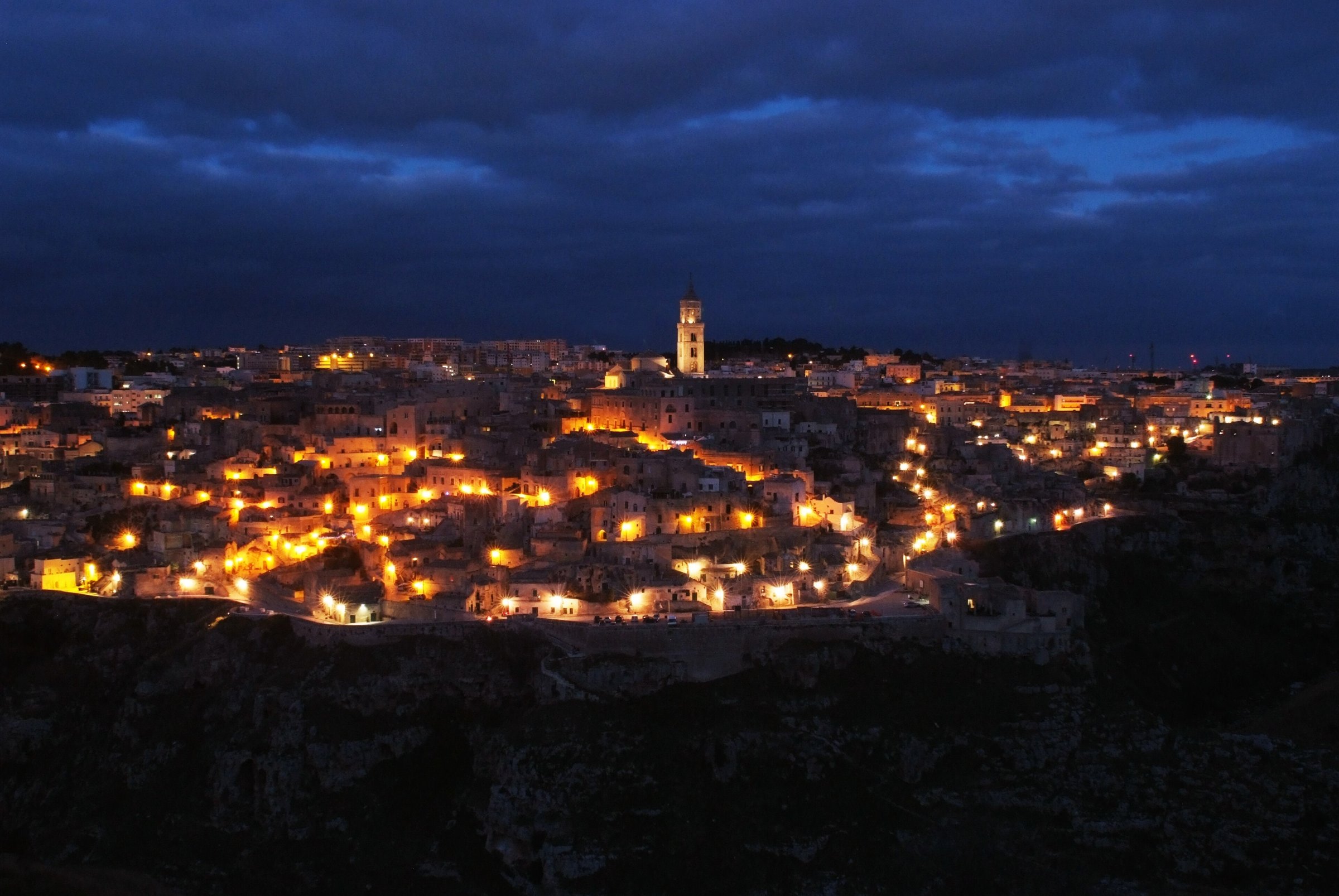
Matera: Life Carved into Stone
Once associated with poverty and abandonment, this extraordinary city in southern Italy has become a symbol of cultural renewal. But beneath its beautiful limestone streets lies a much more complicated story.
By Culturefold Editors